Is cassava flour one of the best options for gluten-free and grain-free cooking? It may be, especially if you want a mild, versatile flour that works well in many everyday recipes. Before you start baking with it, here are five important things to know.
Cassava flour has become increasingly popular in gluten-free, grain-free, and paleo-style cooking. For anyone who avoids wheat or traditional grains, finding a reliable flour substitute can be challenging. Many gluten-free recipes require a blend of several flours and starches just to create a texture that feels close to wheat flour. That approach can work, but it is not always simple or convenient.
Cassava flour is different because it often performs well on its own. It has a neutral flavor, a soft texture, and a baking quality that makes it useful in many recipes, from tortillas and flatbreads to cakes, muffins, and savory dishes. After trying cassava-based breads, cakes, and side dishes in regions where cassava is commonly used, it is easy to understand why this flour has earned so much attention.
Could cassava flour really be the gluten-free flour so many home cooks have been looking for?
It certainly has the potential. However, before you start using cassava flour in everything, it helps to understand what it is, how it differs from tapioca flour, and how it fits into a balanced diet. Here are five key facts to know about cassava flour.
1. Cassava flour is gluten-free, grain-free, and nut-free
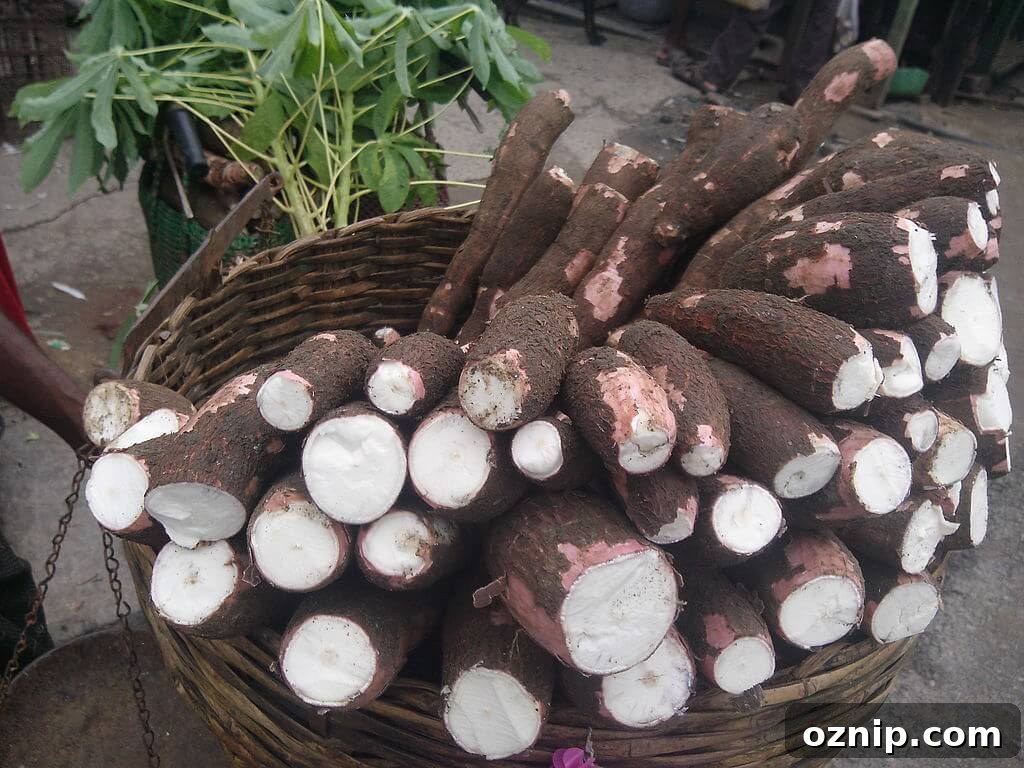
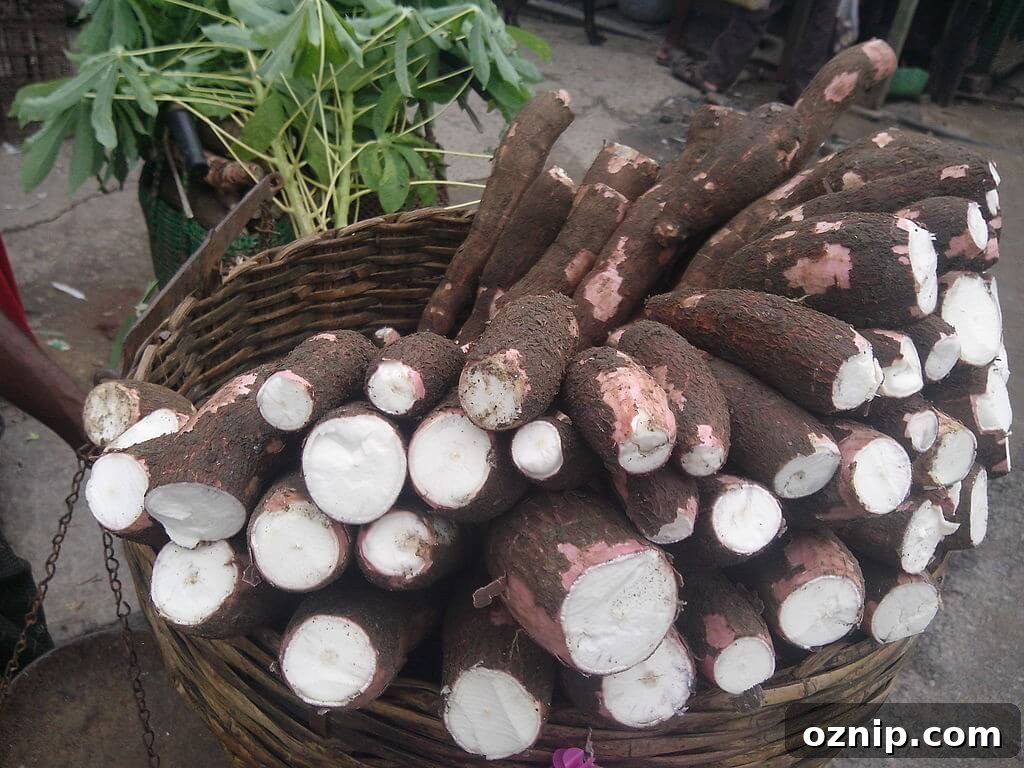
Cassava is a staple crop for millions of people in parts of South America, Asia, and Africa. The plant produces a starchy root known as cassava, yuca, or manioc. It is a tuber, similar in some ways to potatoes, yams, taro, and plantains because it is rich in carbohydrates and naturally filling.
Because cassava is a root vegetable rather than a grain, cassava flour is naturally gluten-free and grain-free. It is also nut-free, which makes it especially useful for people who cannot use almond flour or other nut-based flours. In addition, cassava flour is suitable for vegan, vegetarian, and many paleo-style recipes.
2. Cassava flour is not the same as tapioca flour
Cassava flour and tapioca flour are sometimes confused, but they are not the same product. Both come from the cassava root, yet they are processed differently and behave differently in recipes.
Tapioca flour, also called tapioca starch, is made by extracting the starch from the cassava root. The root is washed and pulped, and the liquid starch is separated from the fiber. Once the water evaporates, the remaining fine starch becomes tapioca flour.
Cassava flour, on the other hand, is made from the whole cassava root. The root is peeled, dried, and ground into flour. Because it includes more of the whole root, cassava flour contains more dietary fiber than tapioca flour. This difference matters in cooking. Tapioca flour is excellent as a thickener or starch, while cassava flour is better suited for recipes such as tortillas, flatbreads, and certain baked goods.
3. Cassava flour is not poisonous when properly prepared
One concern people sometimes hear about cassava is that the raw root contains naturally occurring cyanide compounds. This is true, but it is also important to understand the context. These compounds can be harmful if cassava is eaten raw or improperly prepared.
Traditional cultures that rely on cassava have long used preparation methods such as soaking, cooking, drying, and fermenting to make it safe to eat. These processes reduce harmful compounds and make cassava suitable as a food source.
Commercially available cassava flour and tapioca flour are processed for food use and should not contain harmful levels of these compounds. As with any flour, it is best to purchase cassava flour from a reputable source and use it according to recipe instructions.
4. Cassava flour is high in carbohydrates
Cassava is a starchy tuber, so cassava flour is naturally high in carbohydrates. This is one of the reasons cassava is such an important staple food in many parts of the world. It provides energy and can be used in a wide range of filling meals.
For people who do not depend on cassava as a primary food source, portion size is worth considering. If you are following a low-carbohydrate diet, a low-sugar diet, or a paleo-style plan that limits starches, cassava flour may need to be used in moderation.
In simple terms, cassava flour can be a helpful gluten-free and grain-free ingredient, but it should not automatically become part of every meal. Like most starch-based foods, it is best enjoyed as part of a balanced diet.
5. Cassava flour is one of the closest gluten-free substitutes for wheat flour
The main reason cassava flour is so popular is its texture and taste. Compared with many gluten-free flours, cassava flour is mild, neutral, and easy to use. It does not have the strong flavor of some nut flours, and it is not as gritty as certain grain-free alternatives. Instead, it is soft, powdery, and pleasant to work with.
In many recipes, cassava flour can be used as a 1:1 replacement for wheat flour, although results can vary depending on the recipe. It works especially well in recipes that need structure without a strong flour flavor. This makes it a useful option for gluten-free baking, grain-free cooking, and nut-free recipes.
Quality can make a noticeable difference. Some cassava flours are more finely ground and consistent than others. If a cassava flour recipe does not turn out as expected, the brand or texture of the flour may be part of the issue. A finely milled cassava flour usually produces better results in baked goods and tortillas.
When experimenting with cassava flour recipes, start with tested recipes and avoid assuming that every wheat-based recipe will convert perfectly. While cassava flour is versatile, it is still a unique ingredient with its own behavior in baking and cooking.
Here are some favorite cassava flour and yuca recipe ideas:
Cassava flour tortillas
Baked yuca fries, also known as cassava fries
Steak fajitas with cassava flour tortillas
Molten chocolate cake with coconut whipped cream and pistachios
Herbed cassava tortilla chips
Pulled pork street tacos
Coconut amaretto crepe cake
If you enjoy experimenting with gluten-free flours, cassava flour can be used in both sweet and savory recipes, especially when you want a grain-free flour with a mild flavor and smooth texture.
Cassava flour is a practical ingredient for anyone looking for a gluten-free, grain-free, and nut-free flour alternative. It is not the same as tapioca flour, it is high in carbohydrates, and it works best when used thoughtfully. For many home cooks, however, it is one of the most useful wheat flour substitutes available.
Have you cooked or baked with cassava flour yet? It is an ingredient worth trying if you want more flexibility in gluten-free and grain-free recipes.
This post was originally published in May 2015 and updated in July 2017.