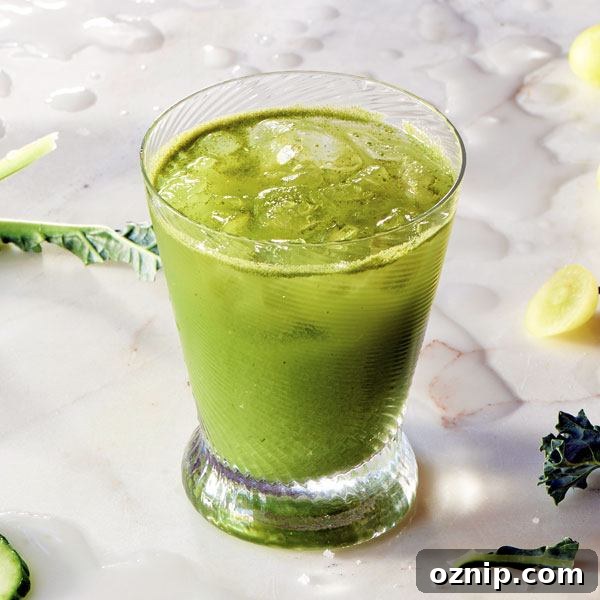

Many critics say store-bought or fruit-heavy juices are too high in sugar to be healthy—and they have a point. Fruit does contain vitamins and beneficial compounds, but sugar is sugar: in large amounts it affects the body much the same way whether it comes from fruit or candy. Just two to four pieces of fruit can push a single serving to 30–40 grams of sugar, a level that can overwhelm the immune system and negate some of the benefits of the other nutrients. That said, it’s completely possible to enjoy satisfying, nutrient-dense juices that are low in sugar. You just need a few principles and ingredient tricks to create flavorful, low-sugar blends.
Below are practical hacks to keep sugar low, build a juicy base, and tame or disguise any bitterness from leafy greens.
1) Cucumbers
Cucumbers are a juicing staple. They contain virtually no sugar, produce a large volume of light-tasting juice, and add hydration plus valuable electrolytes. Use organic English cucumbers unpeeled when possible. If you’re sensitive to cucumber flavor or prefer an alternative, zucchini is a good substitute: it yields less juice but offers a similar mild flavor and texture. Typical amount: 1/2 to 1 English cucumber per serving depending on the recipe.
2) Celery
Celery brings a stronger, pleasant vegetal note and almost no sugar. It yields a lot of juice, supplies minerals and natural sodium, and acts as a gentle diuretic—helpful if you’re trying to reduce water retention. Many people who don’t enjoy raw celery find they like it in juice. Add 3–5 stalks with leaves to most recipes. A simple celery shot (3–4 oz) with a little lemon can be a potent morning tonic that supports metabolism and adrenal reset when sipped daily for a few weeks. Expect a slightly salty, mineral flavor.
3) Lemons and limes
Lemons and limes are almost sugar-free but packed with vitamin C and cleansing, alkalizing properties. Their bright tartness masks bitterness from greens very well. For most single-serving juices, use about 1/2 to 1 lemon or lime (remove the colored rind; leaving the white pith is fine). Their acidity also helps balance and preserve flavor.
4) Greens
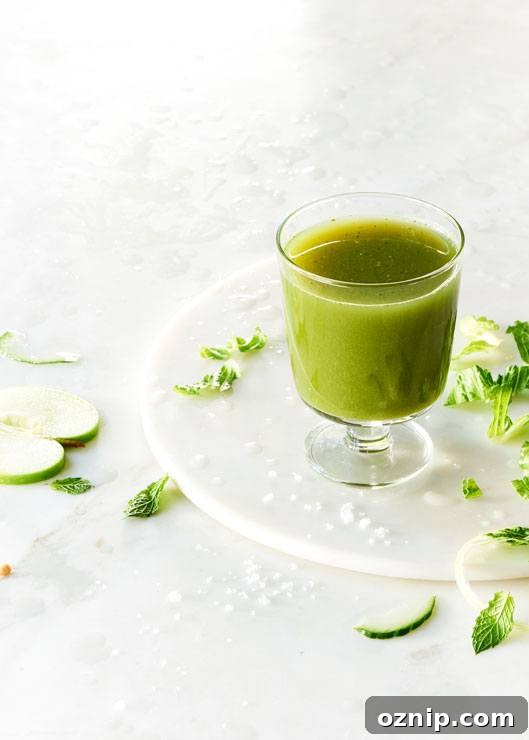
If you’re new to green juices, start with mild leafy greens like baby spinach or Swiss chard. Spinach is one of the most neutral-tasting greens while offering lots of nutrients and alkalizing benefits. Begin with 2–3 handfuls of spinach per serving. Kale and cabbage are nutrient-dense but much stronger and can taste bitter or sulphuric; introduce them gradually. Romaine may also be more bitter for some palates. If broccoli or brassicas are included, use small amounts until you’re accustomed to the flavor. To counter bitterness, add lemon, a touch of ginger, cayenne, or a pinch of high-quality salt, or dilute with water.
5) Granny Smith apples
When a touch of sweetness is needed, use tart Granny Smith apples. They are lower in sugar than many other apple varieties (roughly 10 g sugar per apple) and provide a clean, slightly tangy sweetness that pairs well with greens. Use 1/2 apple per serving to keep sugar low; up to one whole apple is acceptable if you prefer more sweetness. Other low-sugar fruit options to consider for occasional use include grapefruit and berries.
6) High-mineral salts
Small amounts of unprocessed, mineral-rich salts such as Celtic sea salt or Real Salt® can soften bitterness and improve flavor, and they may help the body absorb minerals from the juice. Use just a pinch to enhance overall taste and mineral balance.
7) Spices and heat
A little heat lifts and balances flavors. Try a pinch of cayenne, a 1/2–1 inch piece of fresh ginger, or a quarter jalapeño (seeds removed for milder heat). These additions reduce bitterness, enhance metabolism, and add complexity to the juice.
Buying juices
On busy days when you don’t have time to juice, choose organic, cold-pressed, unpasteurized juices if available. Read labels: look for juices that prioritize vegetables and include lemons, cucumbers, celery, and greens, with minimal fruit.
A quick note on juicers
Both masticating and slow-press juicers preserve nutrients and extract more minerals than high-speed centrifugal machines; choose a model that fits your budget and cleaning tolerance. A reliable mid-range juicer with good warranty coverage is often the best long-term option.
You really can have it all with juice
Low-sugar juicing is about balancing volume, flavor, and nutrition. By combining watery vegetables, bright citrus, mild greens, a cautious touch of tart fruit, and a pinch of salt or spice, you can enjoy refreshing, nutrient-dense juices that keep sugar low. Below are simple, tested recipes to get you started—easy, hydrating, and full of minerals.
Cuke Juice
Ingredients
- 1 whole English cucumber
- 1/2 lemon, yellow rind removed
Instructions
- Juice ingredients and serve immediately.
Nutrition
Calories: 15 kcal, Carbohydrates: 5 g, Sugar: 1 g, Vitamin C: 28.6 mg, Potassium: 74 mg

Celery Tonic
Ingredients
- 1 whole bunch celery (10–12 stalks, including leaves)
- 1/2 lemon, yellow rind removed
Instructions
- Juice and serve immediately.
Nutrition
Calories: 10 kcal, Carbohydrates: 5 g, Sugar: 1 g, Vitamin C: 28.6 mg, Potassium: 74 mg

Classic Green Juice
Ingredients
- 2 cups baby spinach
- 2 ribs celery
- 1/2 green apple, cored
- 1/2 English cucumber
- 1/2 lemon, peeled
- 1/2 cup zucchini
- 1/2 cup filtered water
Optional Boosters
- 1/4 tsp apple cider vinegar
- 1/8 tsp Celtic sea salt
- Pinch cayenne pepper
Instructions
- Push the spinach, celery, apple, cucumber, lemon, zucchini, and water through your juicer.
- Stir in any optional boosters to taste.
Notes
Apple cider vinegar adds a prebiotic boost; salt enhances flavor and mineral uptake; cayenne supports circulation and metabolism.
Nutrition
Calories: 122 kcal, Carbohydrates: 29 g, Sugar: 16 g, Potassium: 1097 mg, Fiber: 7 g, Vitamin C: 67.5 mg

No Sugar Green Juice
Ingredients
- 1 cucumber
- 1/2 lemon, yellow rind removed
- 1/2 chunk fresh ginger root
- 2 handfuls spinach
- 1 large stalk Swiss chard
- 2 oz fennel bulb (no stalks or fronds)
- Pinch salt
Instructions
- Juice all ingredients and serve immediately.
Nutrition
Calories: 40 kcal, Carbohydrates: 17 g, Sugar: 5 g, Potassium: 1052 mg, Fiber: 6 g, Vitamin C: 61.9 mg