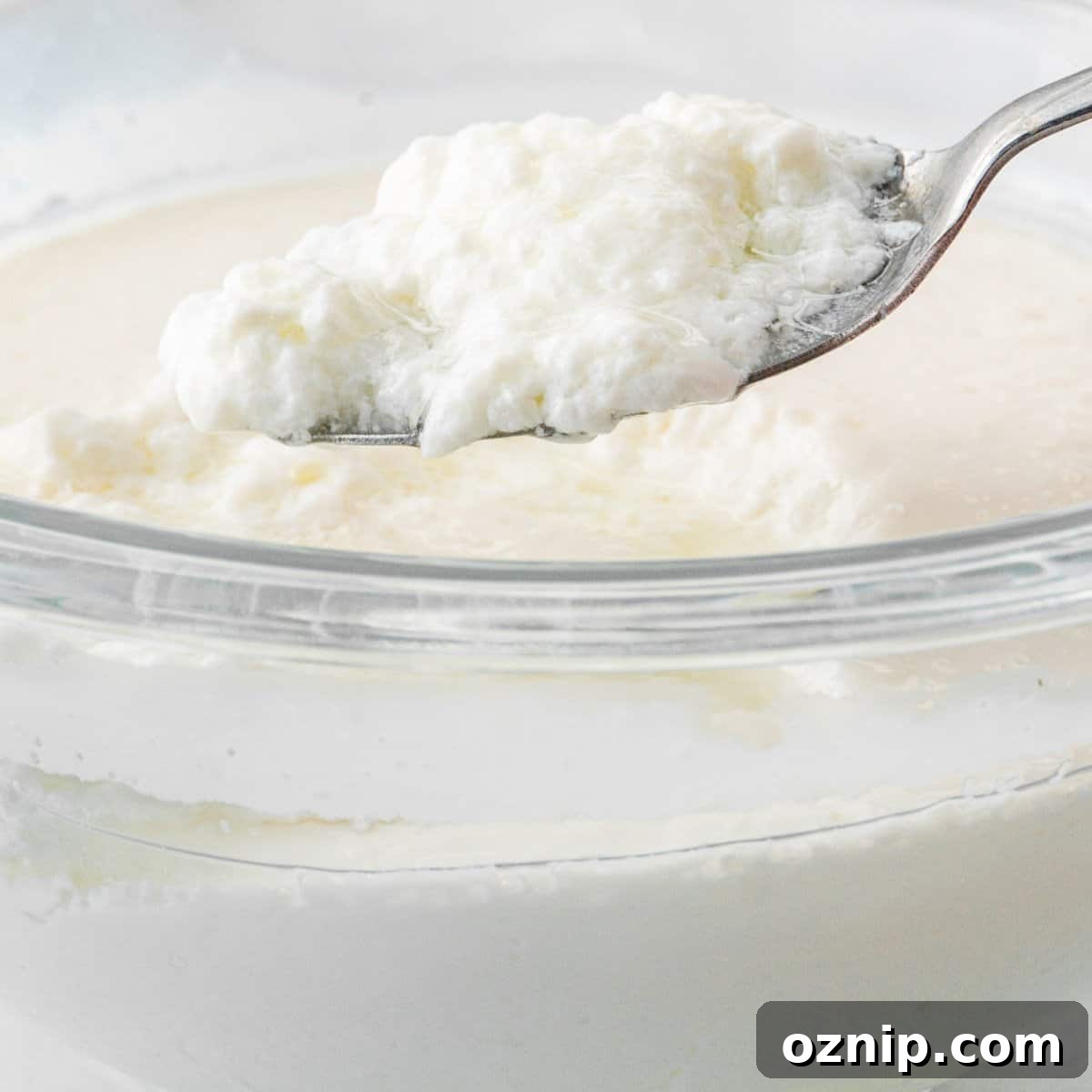
If you have a carton of buttermilk in the fridge and aren’t sure whether it’s still good, knowing how to tell if buttermilk is bad will save your recipes and prevent an upset stomach. This concise guide covers what buttermilk is, how it should smell and look, how to store it, signs of spoilage, and simple substitutes you can make at home.
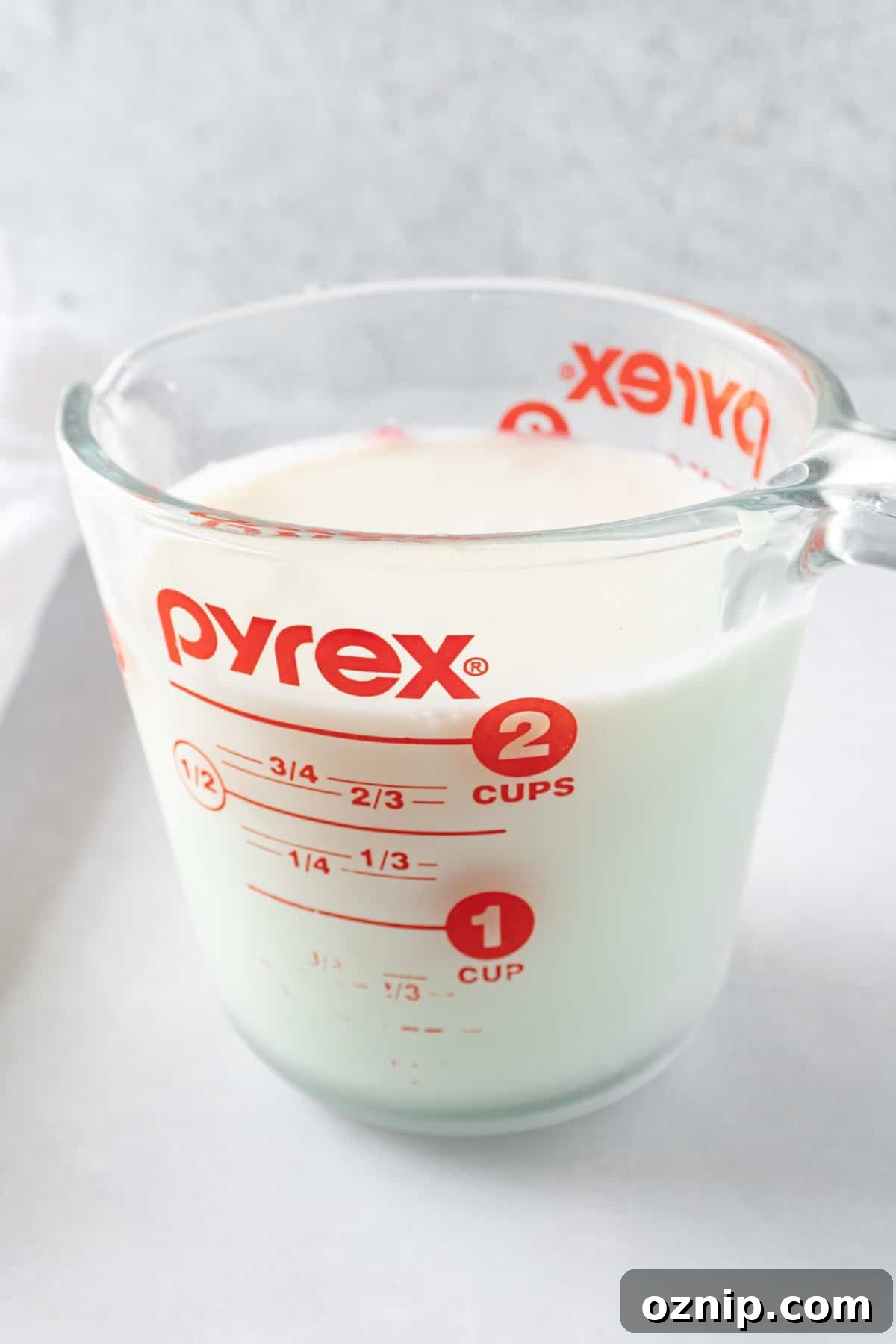
Buttermilk is a classic ingredient in many dishes, from buttermilk chocolate cake and orange buttermilk scones to fried chicken tenders and creamy dressings. Because it’s cultured and slightly acidic, it lasts longer than regular milk, but it will still spoil eventually. Below are practical tips to help you decide whether to use your buttermilk or toss it.
What is Buttermilk?
Modern buttermilk is cultured milk that has been fermented with live bacterial cultures, giving it a tangy flavor and thicker texture than regular milk. Traditional buttermilk was the liquid left after churning butter from cream; that leftover liquid naturally fermented. Today’s commercial buttermilk contains controlled cultures similar to those used in yogurt.
Buttermilk Substitutions
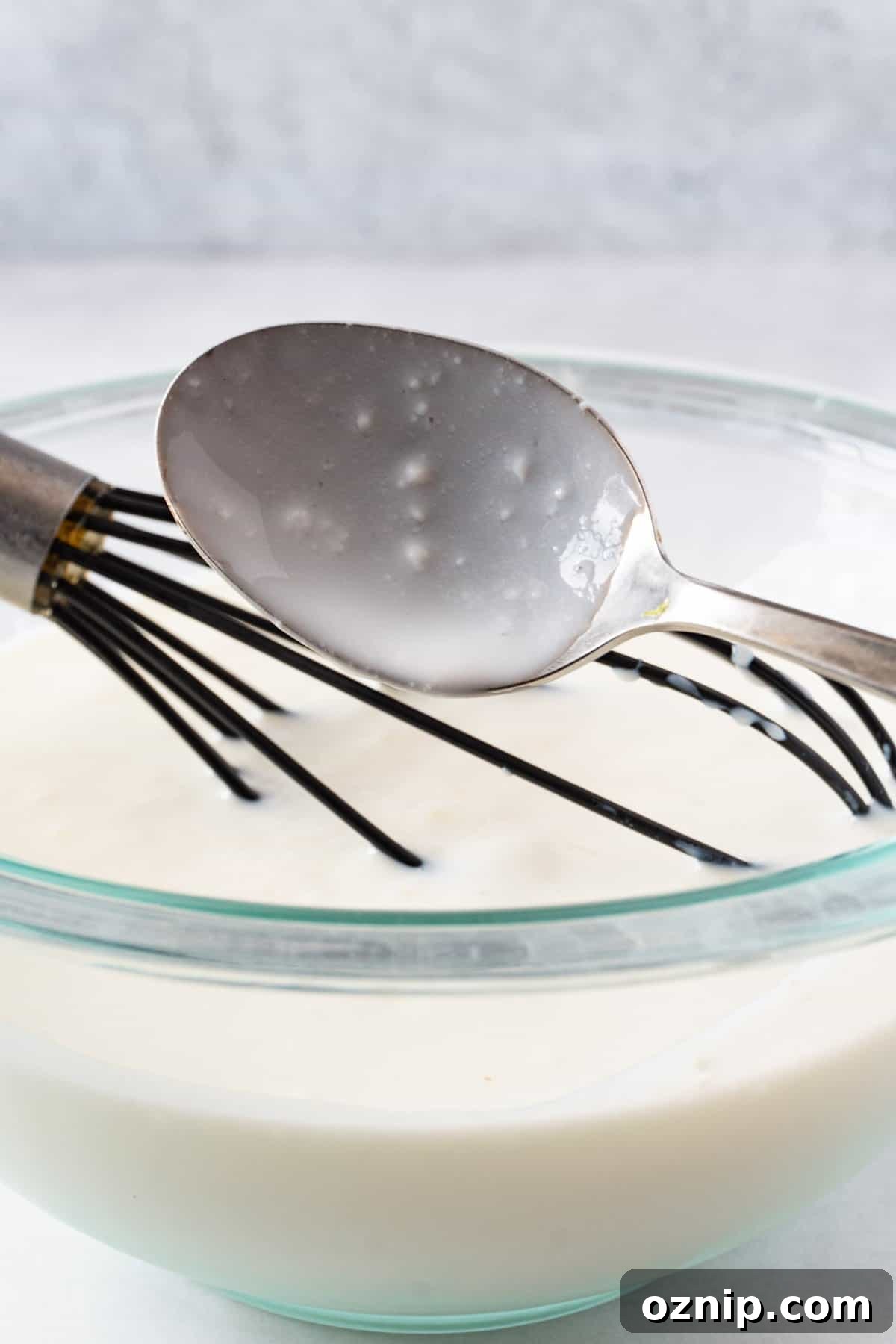
Milk substitution: If you don’t have buttermilk, you can make a quick substitute by adding 1 tablespoon of lemon juice or white vinegar to 1 cup of milk. Stir and let it sit 5–10 minutes to curdle slightly; this mimics the acidity and texture of buttermilk for recipes.
Powdered buttermilk: Powdered or shelf-stable buttermilk mix can be reconstituted with water and used when fresh buttermilk isn’t available. It’s handy when you only need a small amount.
These substitutions work well in baked goods and marinades where buttermilk’s acidity and tenderness are required.
What Should Buttermilk Smell Like?
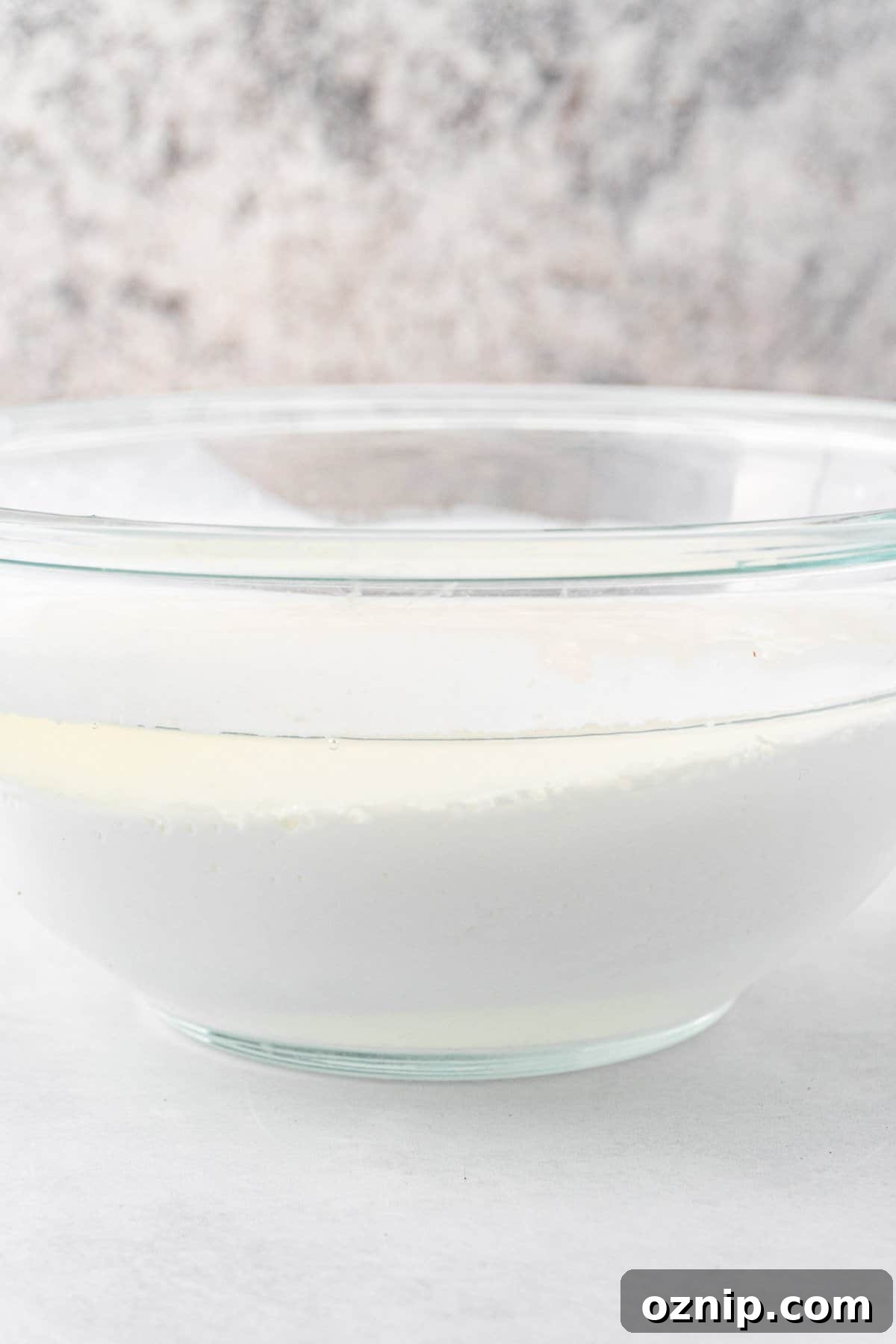
Fresh buttermilk has a sharp, tangy, slightly buttery aroma. It should smell mildly acidic—similar to a gentle vinegar tang—not rotten or overpoweringly sour. A strong, unpleasant odor is a key sign of spoilage.
What Does Buttermilk Do in Recipes?
The acidity in buttermilk balances sweetness, activates baking soda in batters to produce light, fluffy results, and helps break down proteins to tenderize meat or create a soft crumb in baked goods. That tangy flavor also enhances many dressings and sauces.
Can You Drink Buttermilk?
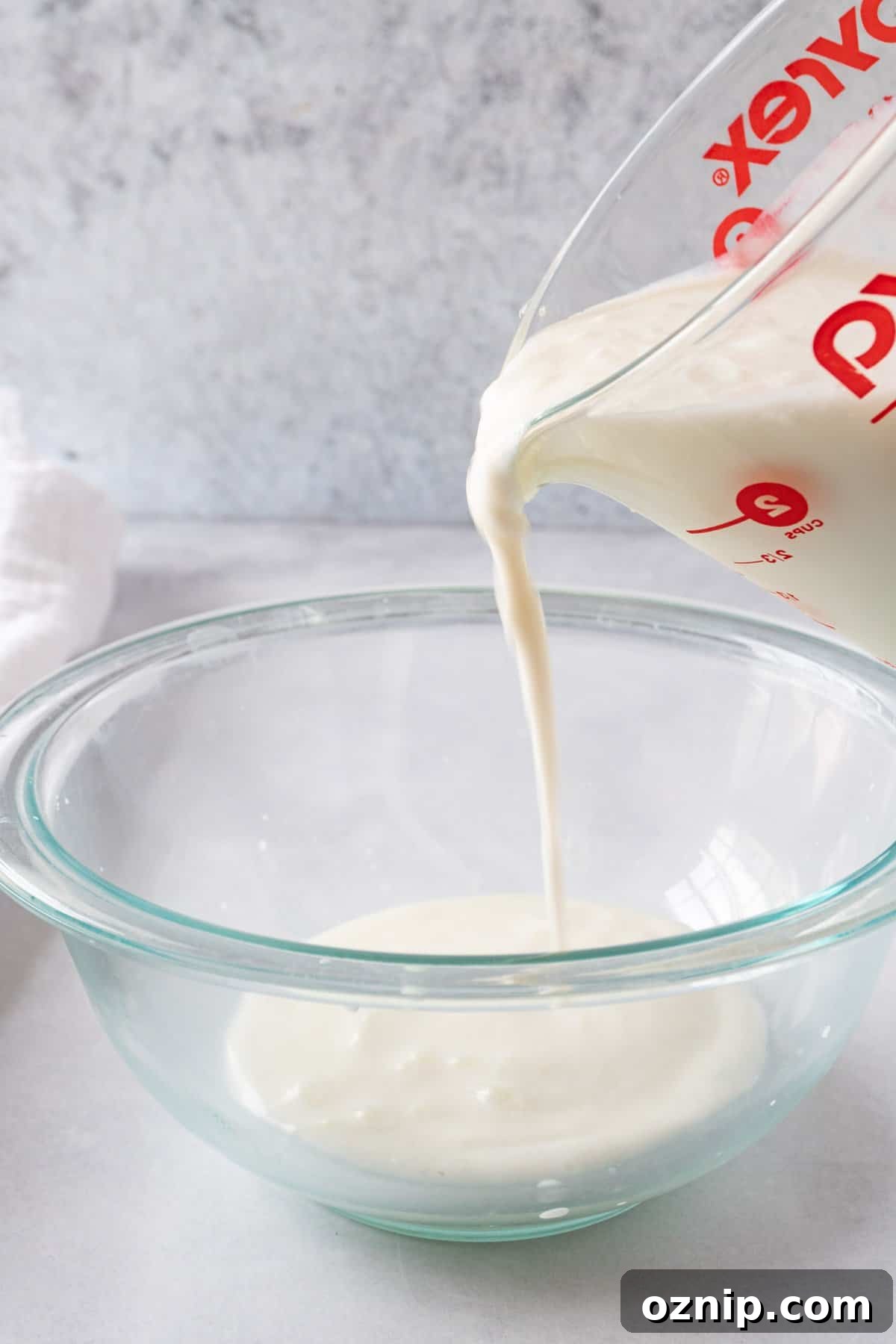
Yes. In many cultures buttermilk is enjoyed as a refreshing drink. If stored and handled properly, it’s safe to drink straight from a clean glass.
How to Store Buttermilk
Keep buttermilk refrigerated in its original container and shake it well before each use since natural separation can occur. Store it in the coldest part of the fridge (not the door) to help it stay fresh longer. If you have leftover buttermilk you won’t use quickly, it can be frozen for up to three months—freeze in small portions or ice-cube trays, then transfer to freezer bags.
How to Tell If Buttermilk Is Bad
Use your senses: appearance, smell, and texture give the clearest indicators of spoilage.
- Smell: If the buttermilk has a very sour, rotten, or foul odor rather than a mild tang, discard it.
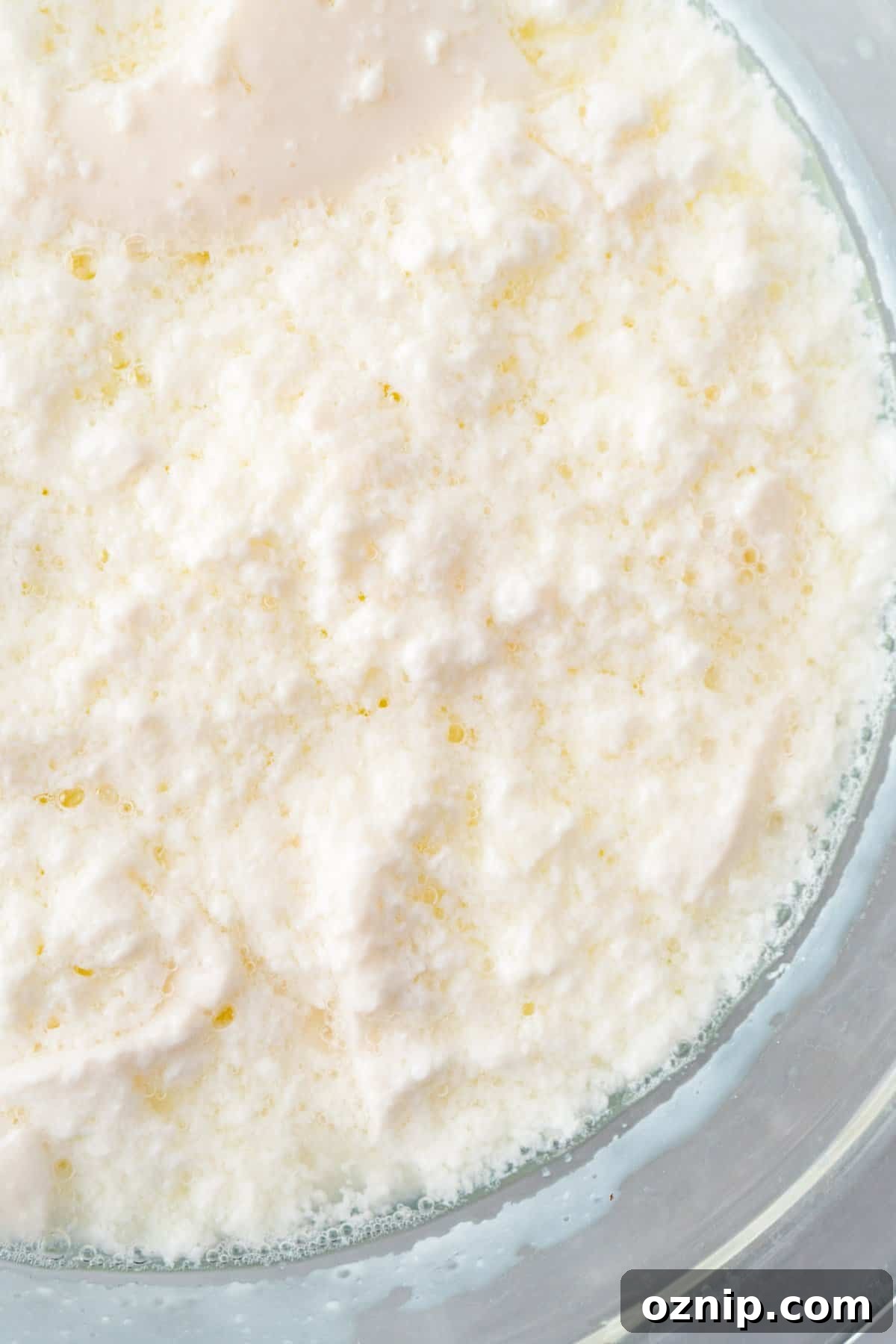
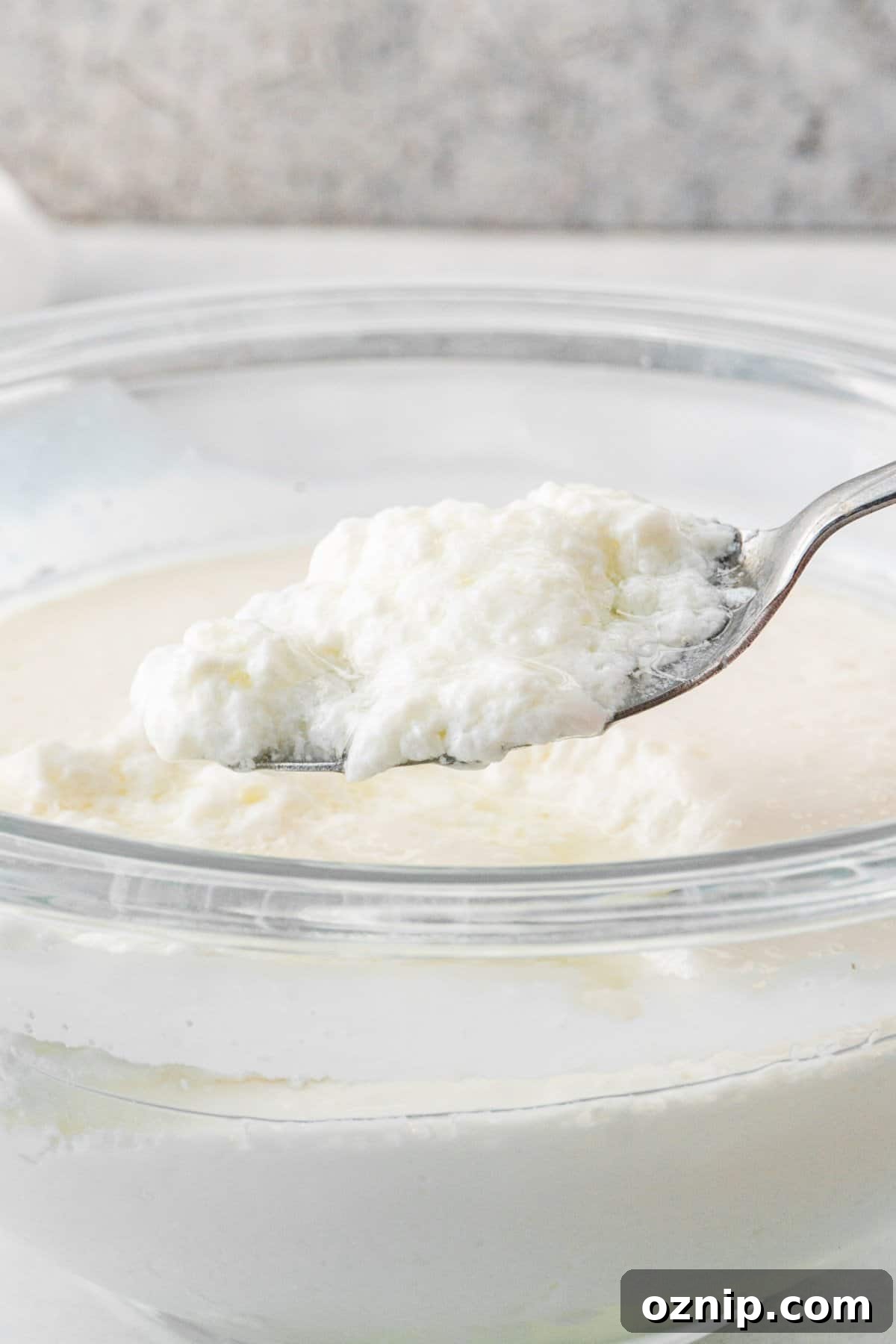
- Texture: Slight thickness and small lumps are normal. But if the liquid is extremely thick, separated into large curds, or has a slimy texture, it has likely gone bad.
- Appearance: Visible mold, discoloration, or floating fuzz means you should throw it out immediately.
How Long Is Buttermilk Good For?
After opening, buttermilk typically stays fresh about 1–2 weeks when refrigerated. It can sometimes remain usable a few days past the printed expiration date if it has been stored properly, but always check for signs of spoilage before using.
Expert Tips on How to Tell If Buttermilk Is Bad
- Always shake the container well before use since natural separation occurs.
- Store buttermilk in the coldest part of the fridge to extend freshness.
- Don’t drink directly from the carton to avoid introducing bacteria.
- Trust your senses: if the smell, color, or texture seems off, discard the buttermilk.
- Mold or a truly foul odor are definite signs to throw it out.
Frequently Asked Questions
Signs include visible mold, a rotten or overly sour smell, significant discoloration, and a slimy or excessively chunky texture.
Not necessarily. Small lumps are normal for cultured buttermilk. Large curds, sliminess, or separation into distinct layers accompanied by an off odor indicate spoilage.
Fresh buttermilk has a tangy, slightly sour scent—pleasantly acidic, not pungent or rotten.
Opened buttermilk usually lasts about 1–2 weeks when stored properly in the refrigerator.
How to Make a Buttermilk Substitute
Quick Buttermilk Substitute
When you only need a small amount, this simple substitute gives the acidity and texture needed for baking and marinades.
Ingredients
- 1 tbs lemon juice or white vinegar
- 1 cup milk
Instructions
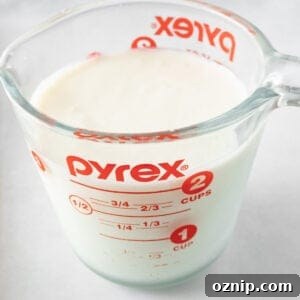
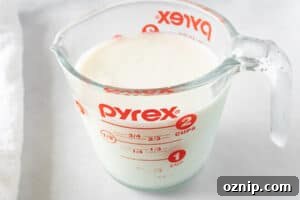
- Combine the milk and lemon juice or vinegar in a measuring cup.
- Stir and let sit 5–10 minutes until the mixture slightly curdles and thickens.
- Use as a 1:1 replacement for buttermilk in recipes.
Nutrition (per 1 cup substitute)
Calories: 150 | Carbohydrates: 12 g | Protein: 8 g | Fat: 8 g | Calcium: 301 mg
If you found this guide useful, try storing your next carton in the coldest part of the fridge, shake before using, and always inspect the smell and appearance—these simple steps will help you get the most from your buttermilk while keeping your kitchen safe.