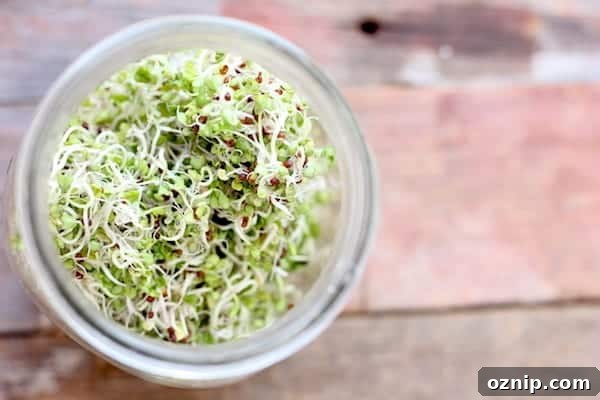
Looking for an easy, affordable way to boost your diet with nutrient-dense greens? You’ll love how simple and rewarding growing broccoli sprouts can be.
A few months ago I found a book about microgreens at the library and, inspired, I decided to explore sprouting at home. Microgreens are wonderful, but in our house with limited winter sunlight, sprouts are the clear winner: fast, reliable, and incredibly easy to grow indoors.
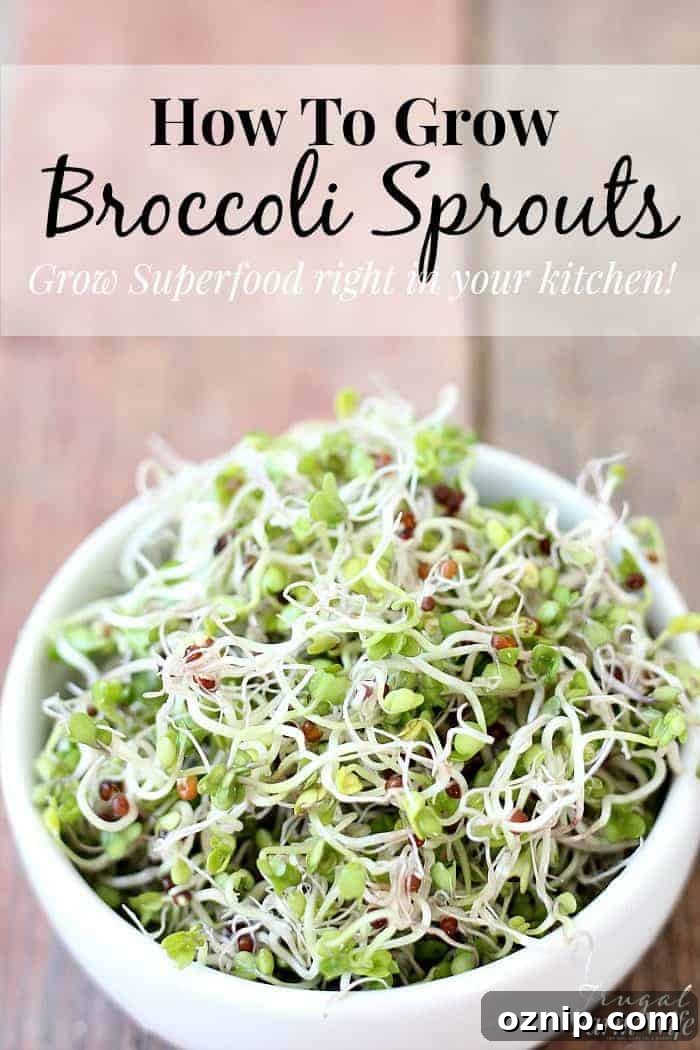
I’ve always loved the idea of growing microgreens, but sprouts have become my go-to because they require so little space and maintenance. All you need is a jar with a lid or a sprouting screen, a few tablespoons of untreated seeds, and clean water. The process is quick and forgiving, and you can harvest fresh sprouts within days.
When I was a pre-teen I grew alfalfa sprouts for family meals and enjoyed them plain for their sweet, delicate flavor. These days I prefer broccoli sprouts. They have a sharper, peppery taste that pairs beautifully with salads, sandwiches, and even smoothies in small amounts. My favorite way to enjoy them is on a crisp salad with a creamy dairy-free dressing or stirred into a post-workout smoothie for an extra nutrient boost.
Why broccoli sprouts?
- Broccoli sprouts are concentrated with health-supporting compounds not found in the same amounts in mature broccoli.
- They are rich in enzymes that aid digestion and support nutrient absorption.
- Because sprouts are young plants, they are tender and easy to digest, making them a convenient way to add greens to meals for people of all ages.
Those advantages make broccoli sprouts an excellent addition to a healthy diet. If you’re interested in adding them to your routine, buy seeds specifically labeled for sprouting. Seeds sold for garden planting may be treated with chemicals that aren’t safe for sprouts, so untreated sprouting seeds are important.
Now, let’s get sprouting!
You’ll need:
- 1 quart-sized jar (mason jars work well)
- 1 sprouting lid or a mesh/ring screen for draining
- 1–2 tablespoons of untreated broccoli sprouting seeds
Important note: Use seeds labeled for sprouting. Many garden seeds are coated with fertilizers or pesticides and aren’t suitable for sprouting and eating.
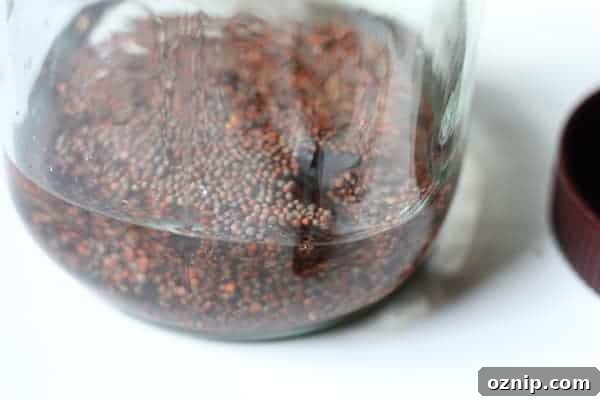
Step one: Place the seeds in the quart jar and cover them with water. Let them soak for 6–12 hours. This initial soak hydrates the seeds and starts the germination process.
Step two: Drain the water through your sprouting lid or screen, then rinse the seeds gently and drain again. Set the jar on its side in a well-ventilated area out of direct sunlight. Positioning the jar on its side helps spread the seeds so air can circulate around them.
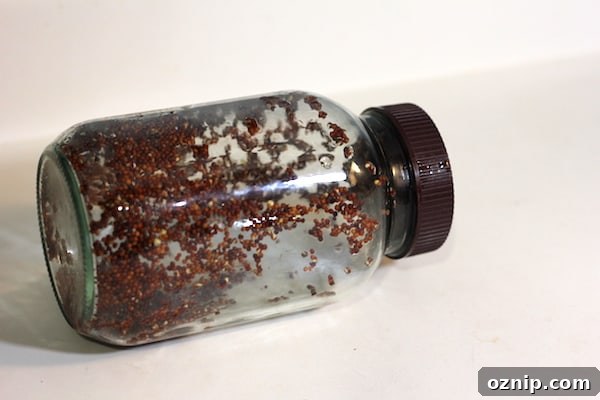
Step three: Rinse and drain the seeds 2–3 times daily. After rinsing, tilt and roll the jar gently to redistribute the seeds evenly across the jar’s interior. Consistent rinsing keeps the environment clean and prevents odors.
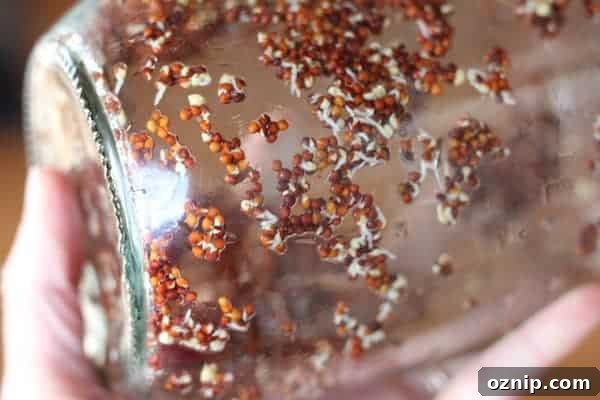
Step four: When the sprouts reach about 3/4 inch long, move them to a spot with indirect or partial sunlight. This light exposure helps the sprouts develop chlorophyll and turn green. Continue rinsing and draining for a few more days until they have green tips and are crisp enough to eat.
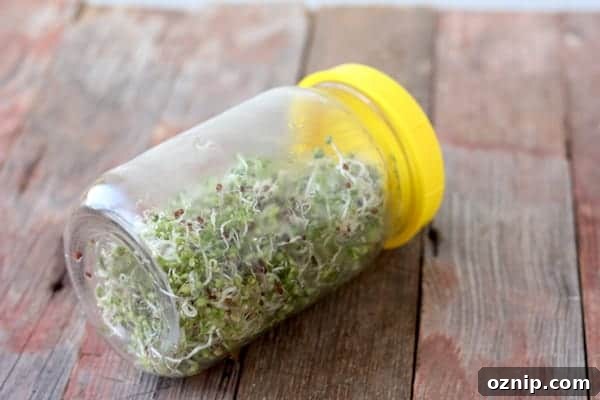
Step five: De-hulling: Fill a bowl with clean water and add the sprouts. Gently stir and separate them so the seed hulls float to the surface. Skim off as many hulls as you can. Removing hulls is optional—some people don’t mind a few left behind and it won’t affect safety.
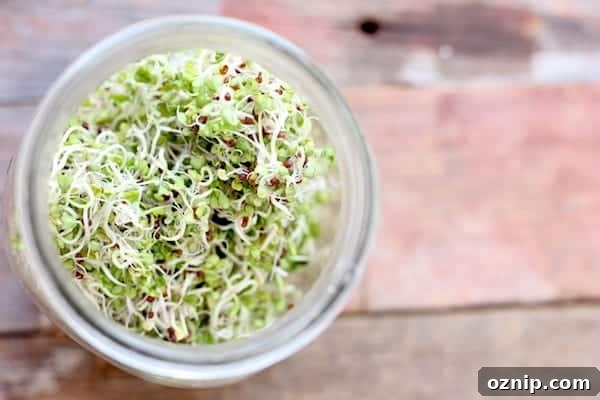
Step six: Transfer the cleaned sprouts back into a jar or a covered container and store them in the refrigerator. Properly stored, fresh sprouts typically keep for several days to a week—check for freshness before eating.
Step seven: Eat and enjoy. Add broccoli sprouts to salads, sandwiches, wraps, smoothies, or as a fresh garnish on soups and bowls. A small handful adds crunch, flavor, and a meaningful nutrient boost.
Growing your own broccoli sprouts is a quick, economical way to add nutrient-dense greens to your meals. It takes minimal time and space, and the payoff is fresh sprouts you grew yourself. Give it a try and enjoy the satisfaction of producing a superfood at home.