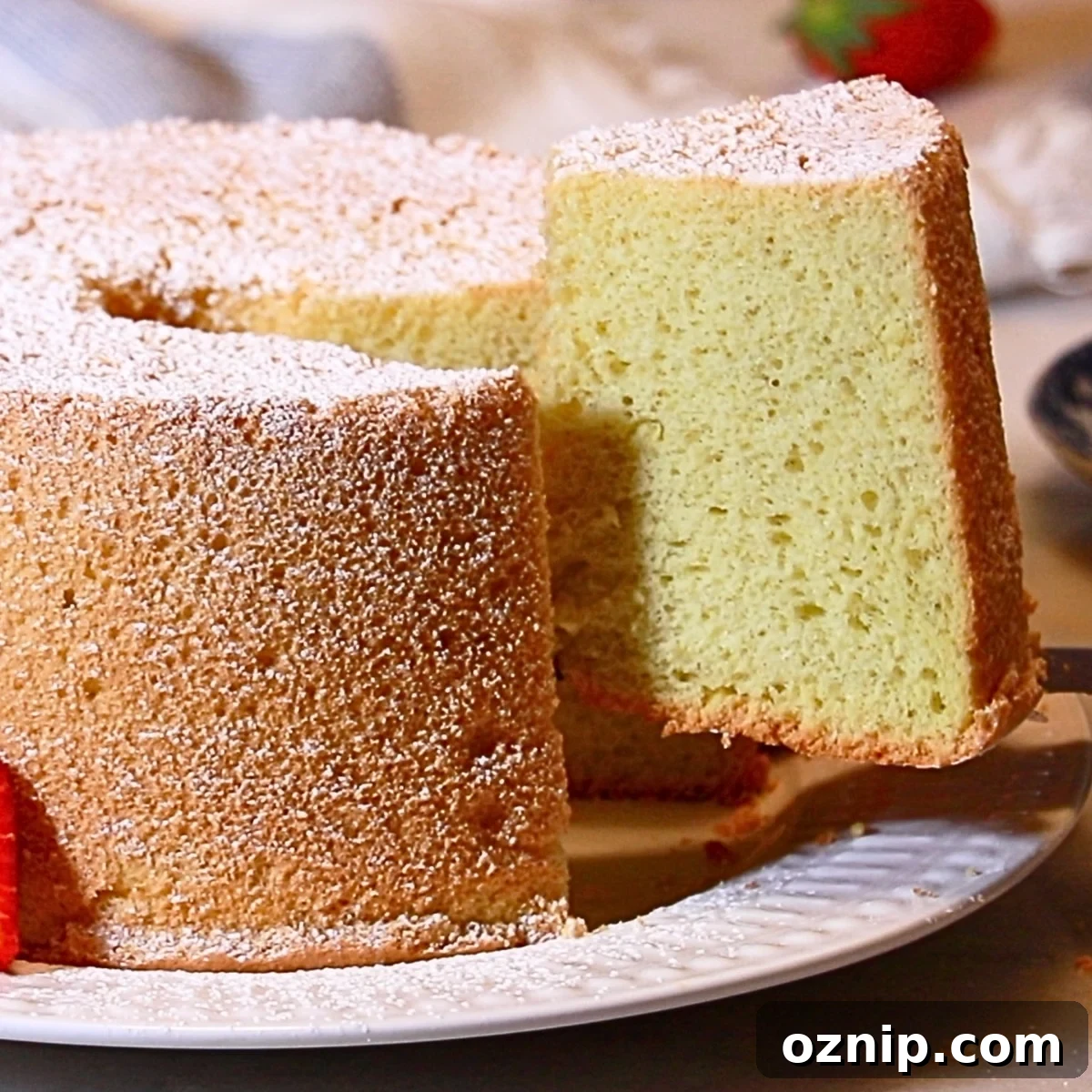
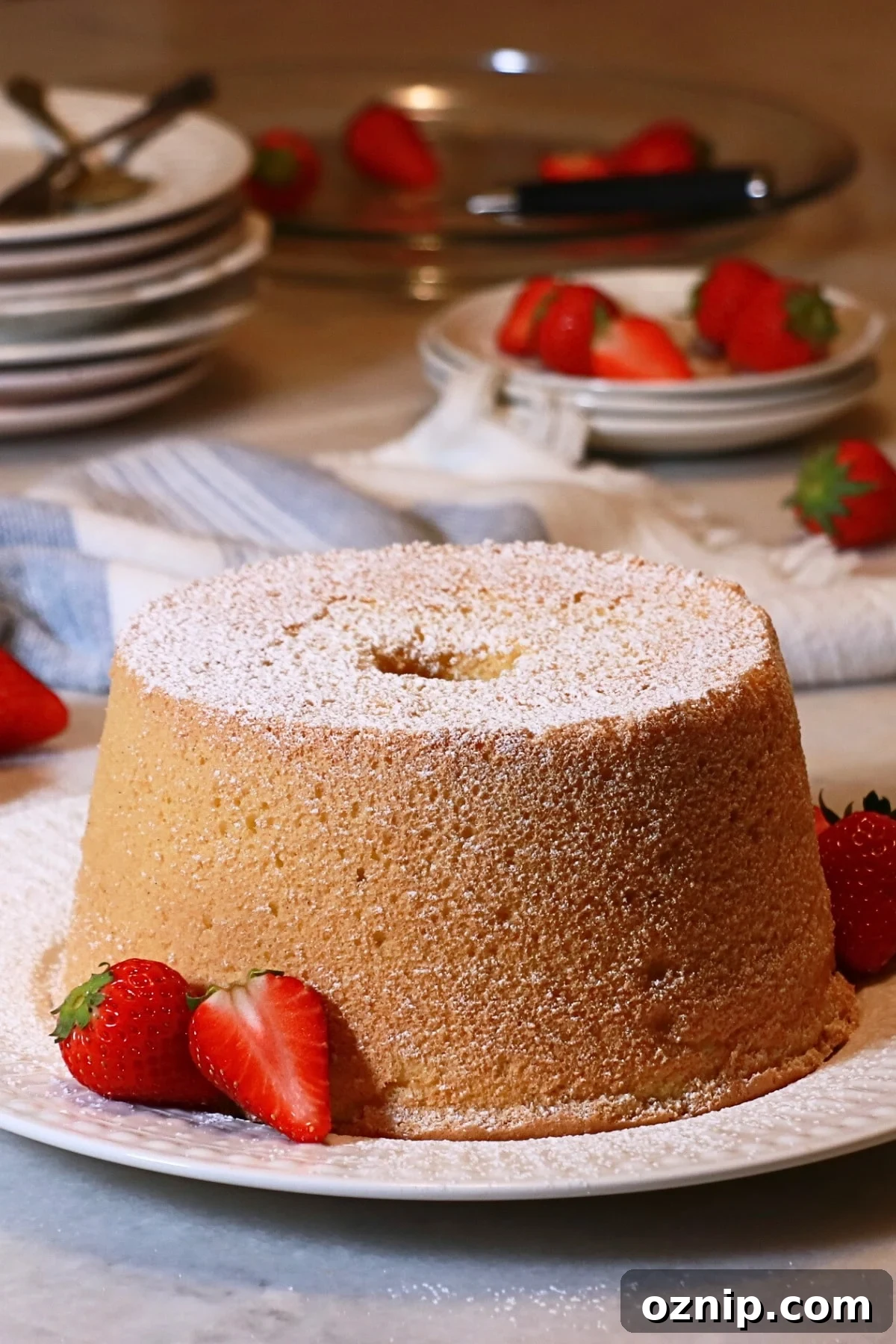
Everything you need to know to bake a perfect vanilla chiffon cake—plus troubleshooting tips to help you avoid common mistakes. Enjoy a super moist, airy chiffon cake that pairs beautifully with any frosting or topping.
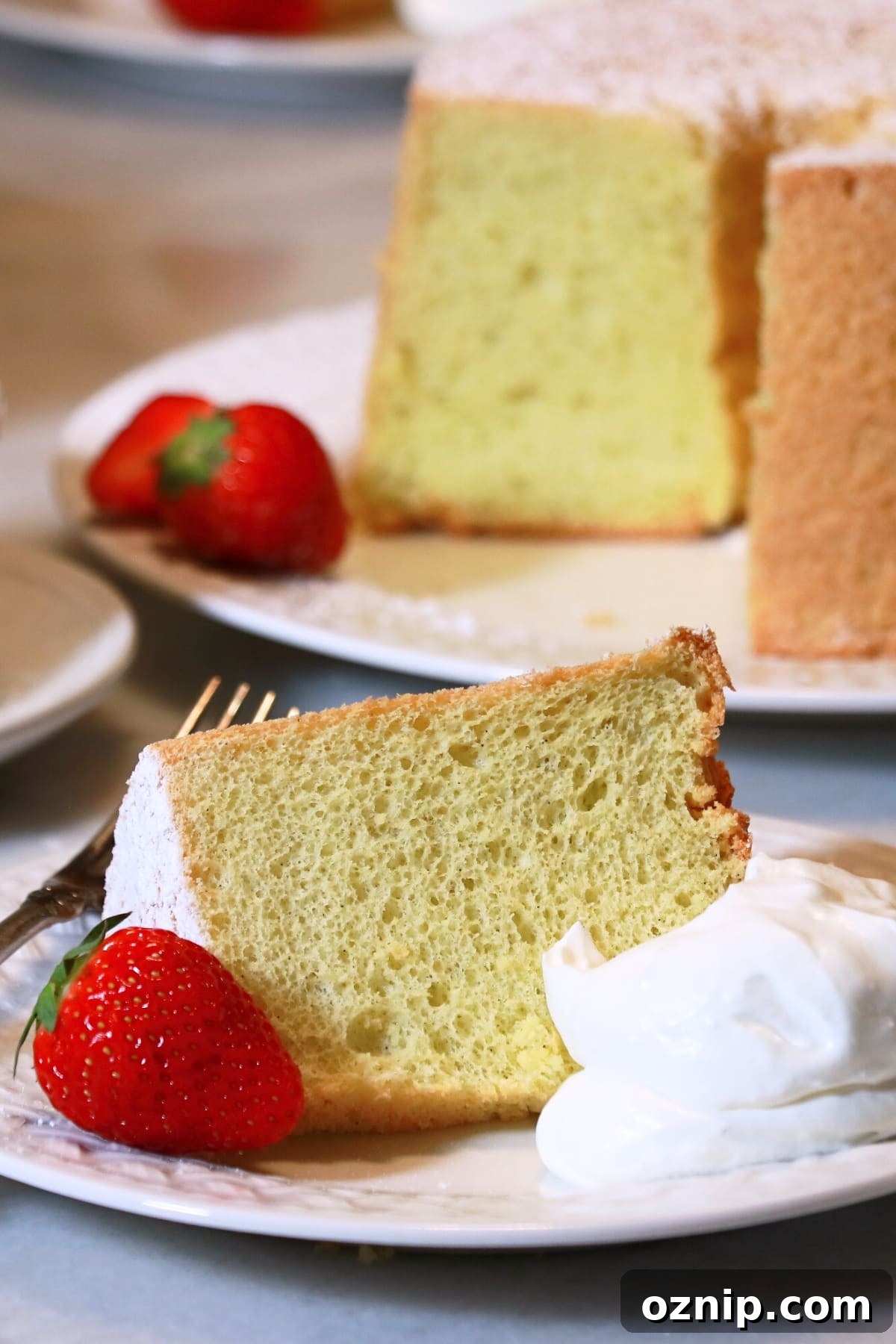
Common Problems and How to Fix Them
The ingredients and steps for a chiffon cake are simple, but a single misstep can cause trouble. Common issues include:
- The cake didn’t rise much in the oven.
- The cake collapsed significantly after baking.
- The batter was too loose.
- The cake turned out dry.
If you’ve experienced any of the above, you’re not alone. I’ve made these mistakes too. After many bakes, I refined the process and learned how to prevent them. The guidance below covers essential techniques and practical tips so you can consistently bake a light, bouncy chiffon cake at home.
Ready to bake? Let’s go. 💪🏻
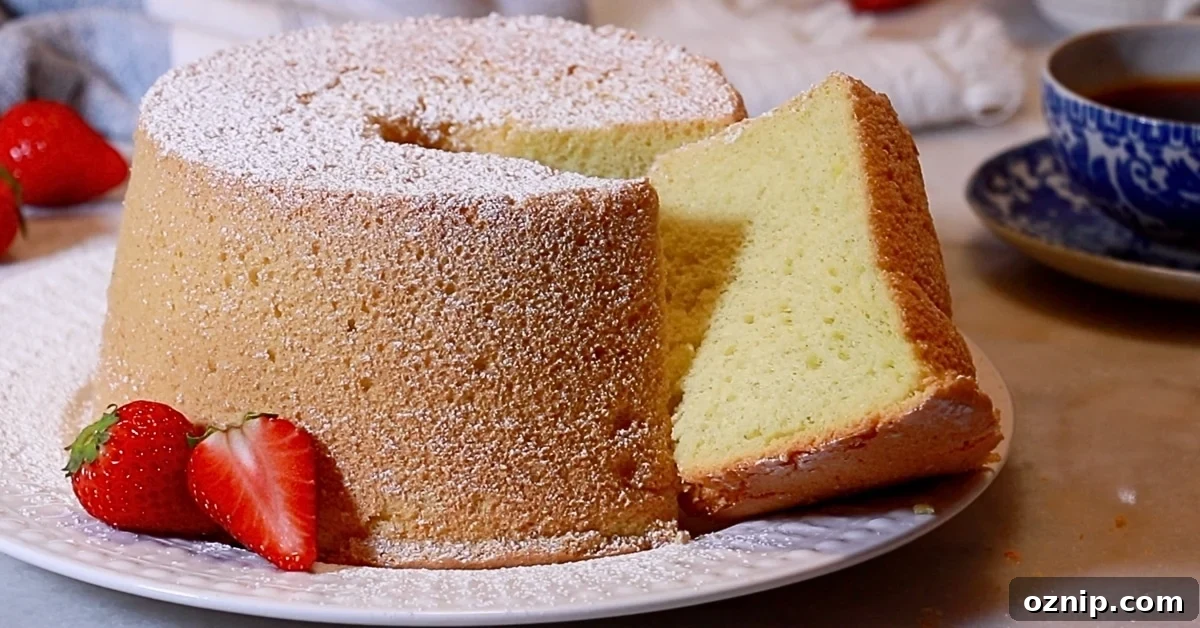
What Is Chiffon Cake?
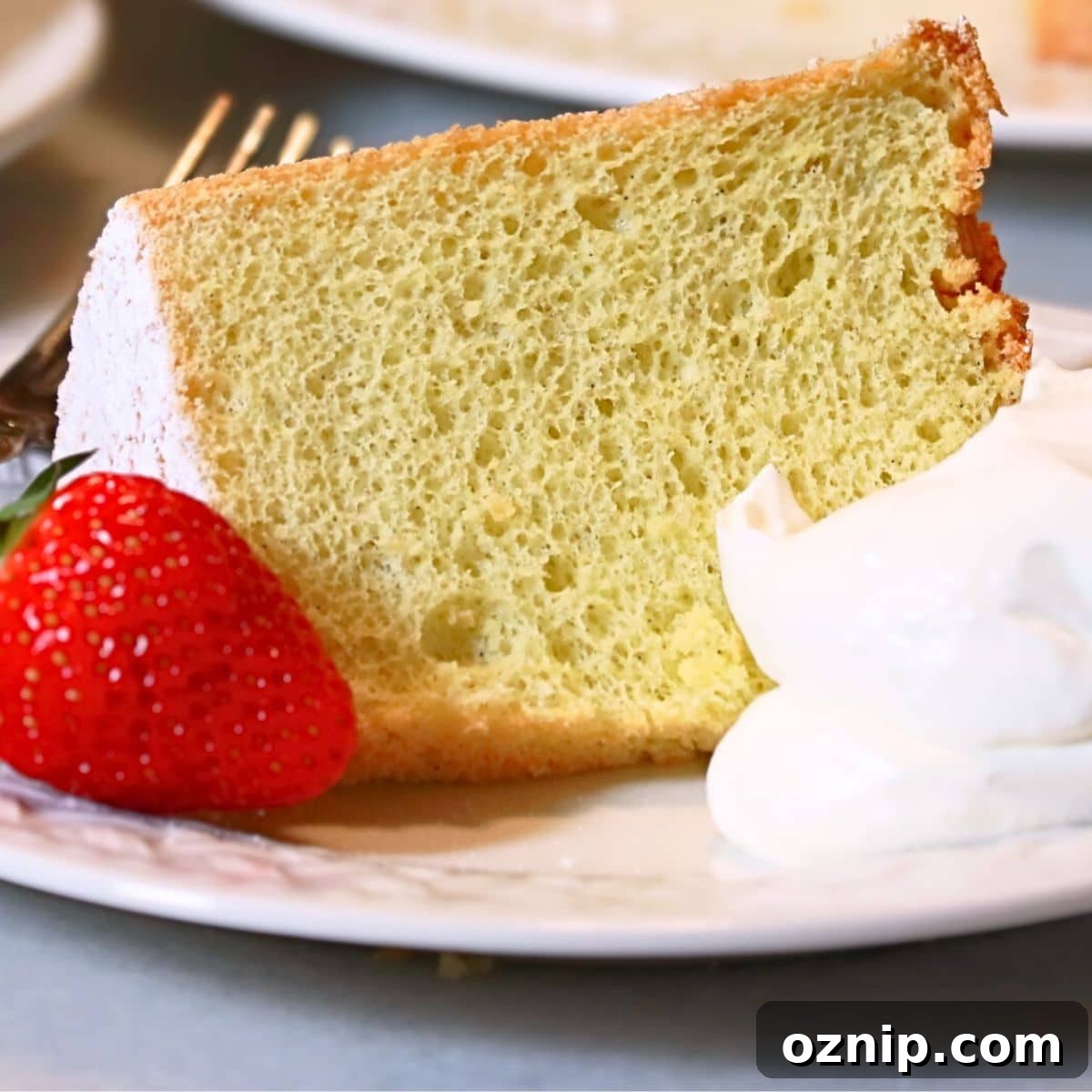
Chiffon cake is a type of sponge cake made by combining an egg yolk mixture with a whipped meringue. The yolk mixture typically includes egg yolks, sugar, liquid, oil, and flour. Folding in the meringue creates a very light, airy texture that is simultaneously moist and springy.
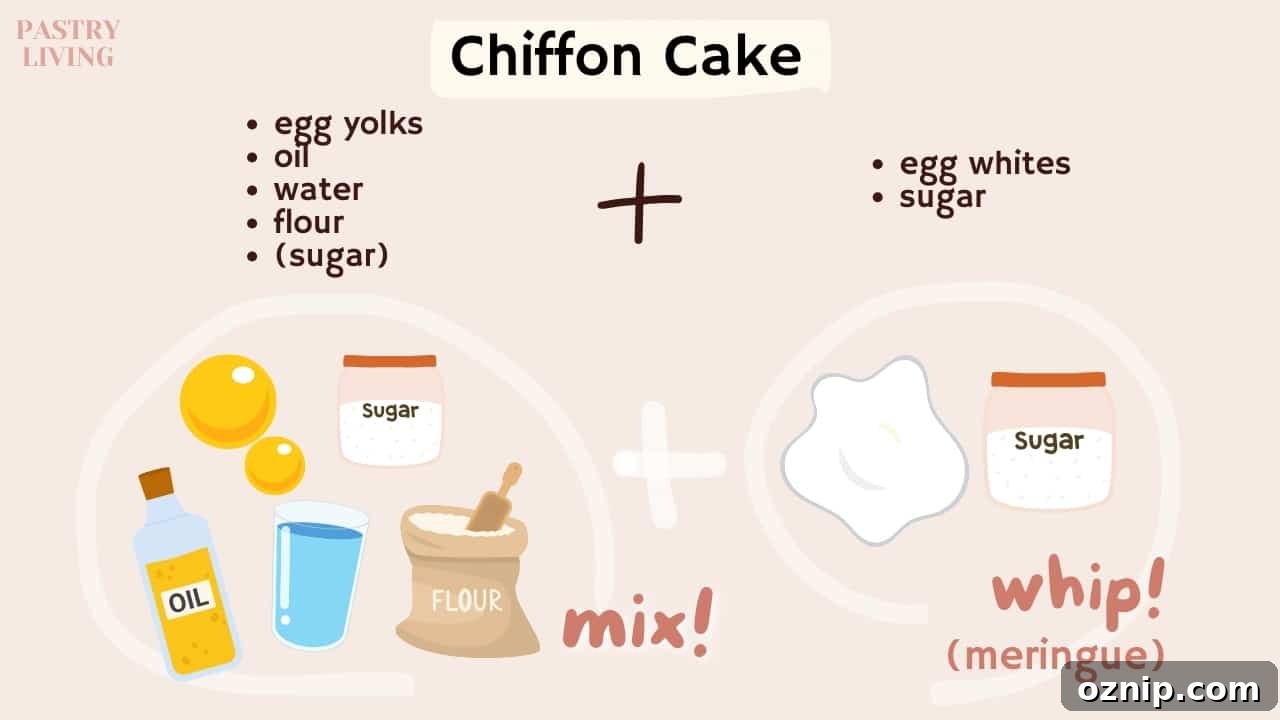
If you enjoy different sponge cake textures, explore other sponge methods to see how chiffon compares—its softness and bounce come from the balance between liquid, oil, and a stable meringue.
Why You’ll Love This Chiffon Cake
Three reasons this recipe stands out:
- Exceptionally fluffy: The recipe uses a small amount of cake flour to keep the crumb delicate and cloud-like. It also uses less sugar than many chiffon recipes, so the texture remains light and refined.
- Very moist: The combination of liquid and oil keeps the cake tender and prevents dryness even after a day or two.
- Quick and simple: The batter comes together in about 15–20 minutes with six common ingredients. It’s approachable even if you’re new to chiffon cakes.
Chiffon Cake Without Baking Powder
This vanilla chiffon doesn’t require baking powder. Properly whipped meringue provides the lift and airy structure. Using baking powder can make the cake rise more in the oven but often causes it to sink more as it cools. With the right flour-to-liquid ratio and meringue technique, you’ll get a tall, moist cake without chemical leaveners.
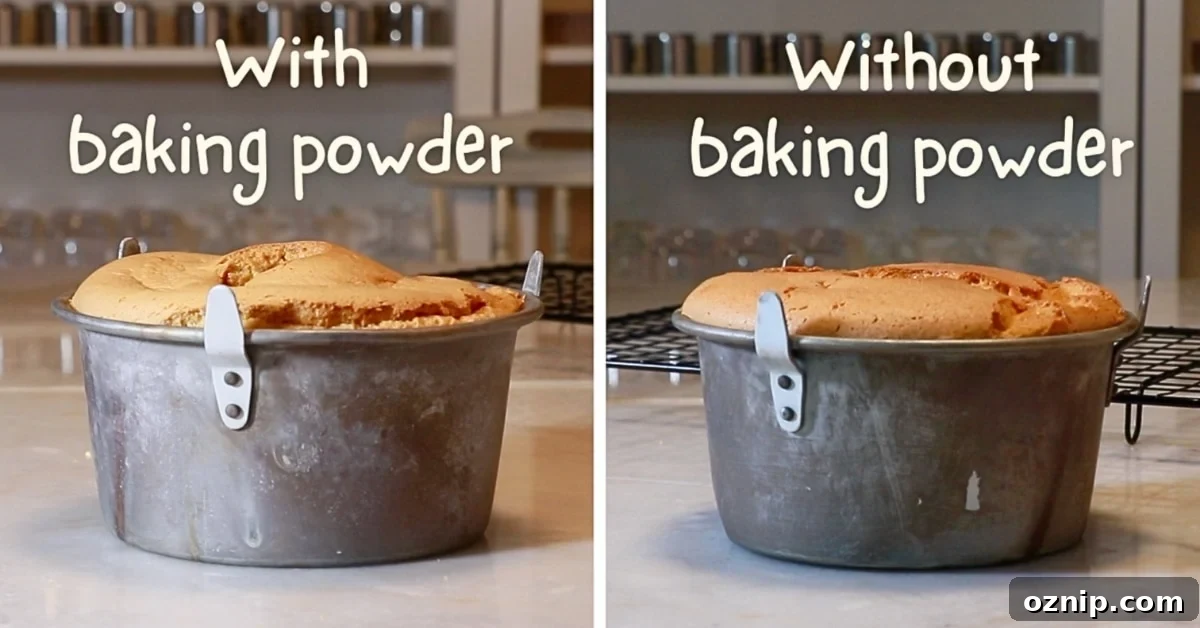
Why not add baking powder?
With this recipe’s low flour ratio, the meringue alone produces a stable, light texture. Adding baking powder can cause larger oven rise followed by more shrinkage during cooling. For recipes with more flour, a small amount of baking powder can help, but here it’s unnecessary.
8 Key Tips for a Perfect Chiffon Cake
Tip 1. Use an ungreased tube pan.
Do not grease the pan or use nonstick pans. Chiffon needs to cling to the pan sides while cooling to maintain height. A typical aluminum chiffon pan helps the cake adhere and retain its structure.
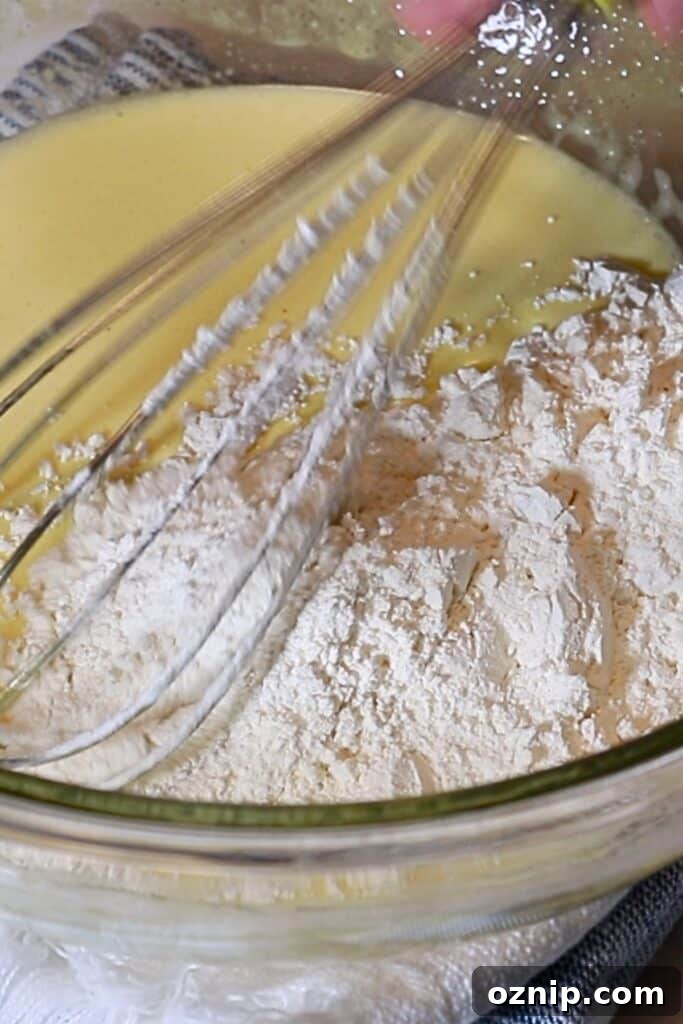
Tip 2. Mix the yolk mixture until smooth.
After adding flour to the yolk mixture, whisk until completely smooth. Stop once the batter is lump-free—undissolved flour will create dry pockets in the finished cake.
Tip 3. Whip a fluffy, stable meringue.
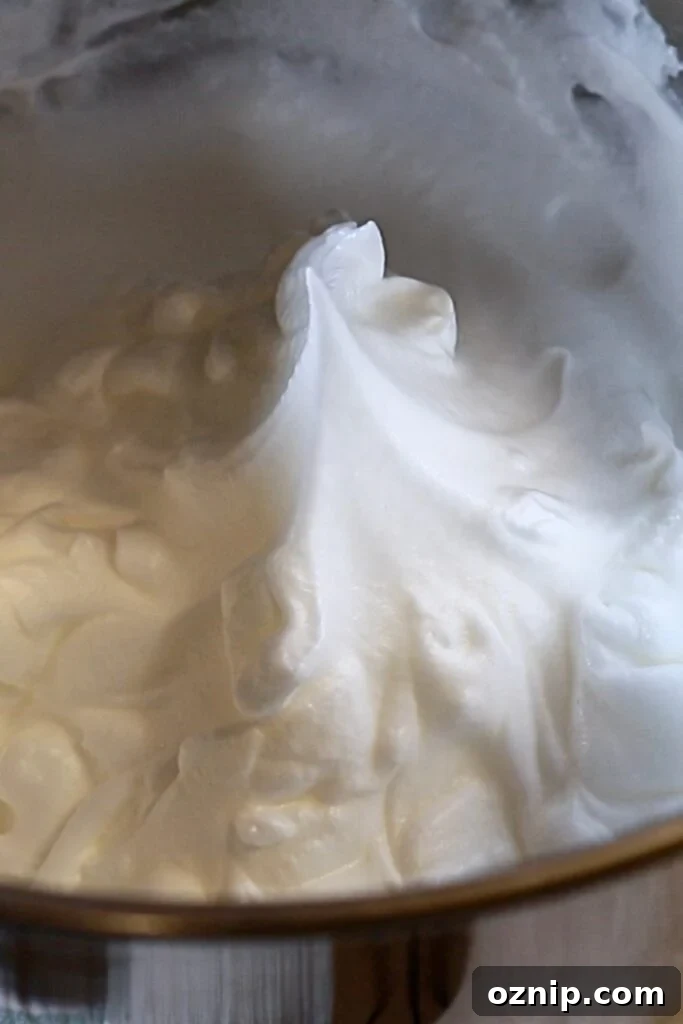
A well-whipped meringue is essential. If it’s too soft the cake won’t have enough volume; if it’s overwhipped and dry, it will be difficult to fold in. Aim for glossy, stiff peaks—the whisk tip should stand straight when lifted.
Do not overwhip until the meringue becomes dry and crumbly. Slightly lowering speed at the end helps tighten the bubbles.
Tip 4. Use the meringue immediately.
Meringue will begin to separate and lose air if left standing. Use it right away; if it sits, gently rewhip by hand to revive it, though it may not fully recover.
Tip 5. Fold with a whisk for a smooth mix.
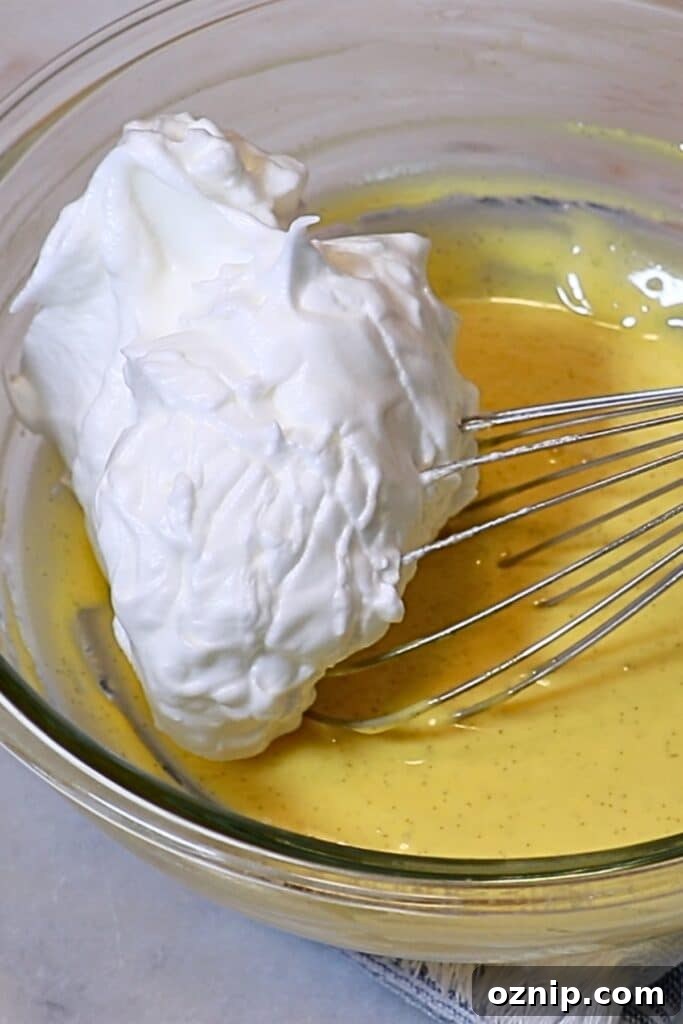
Folding with a whisk helps combine the loose yolk mixture and thicker meringue without leaving lumps. Use a scoop-and-toss motion while turning the bowl, then finish with a spatula to scrape the sides and bottom.
Tip 6. Bake the batter immediately.
Once combined, pour the batter into the pan and bake right away. The longer you wait, the more air is lost and the lower the rise. Speed improves with practice.
Tip 7. How to tell when it’s baked.
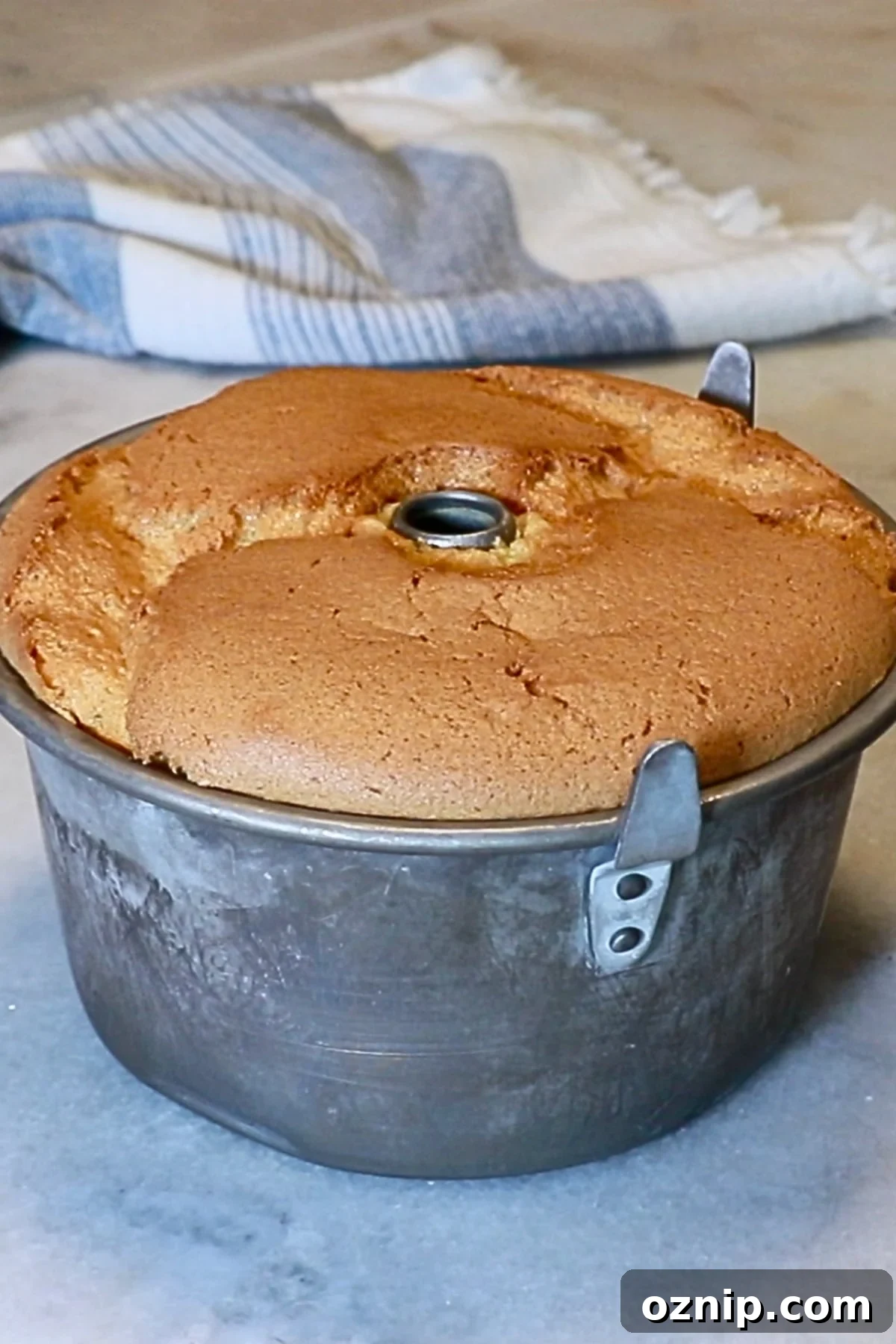
The cake is done when the top springs back gently and a toothpick inserted in the center comes out clean. If the center still feels jiggly, it’s underbaked and will collapse as it cools. Overbaking dries the cake.
Tip 8. Cool the cake upside down.
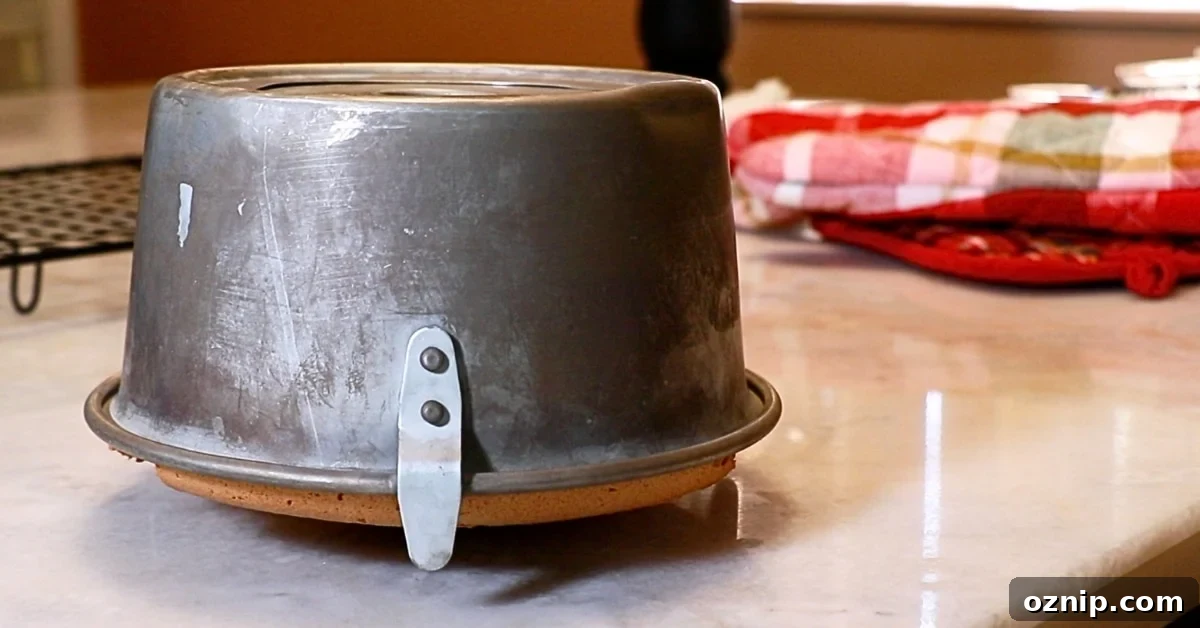
Invert the pan to cool so gravity won’t compress the sponge. Some bakers prop the tube so the cake doesn’t touch the table; this helps retain height while it cools completely.
Video: Watch the Vanilla Chiffon Cake Method
Follow the step-by-step video to see folding, meringue consistency, and other techniques in action—helpful if you prefer visual instruction.
Subscribe to the channel for more baking videos.
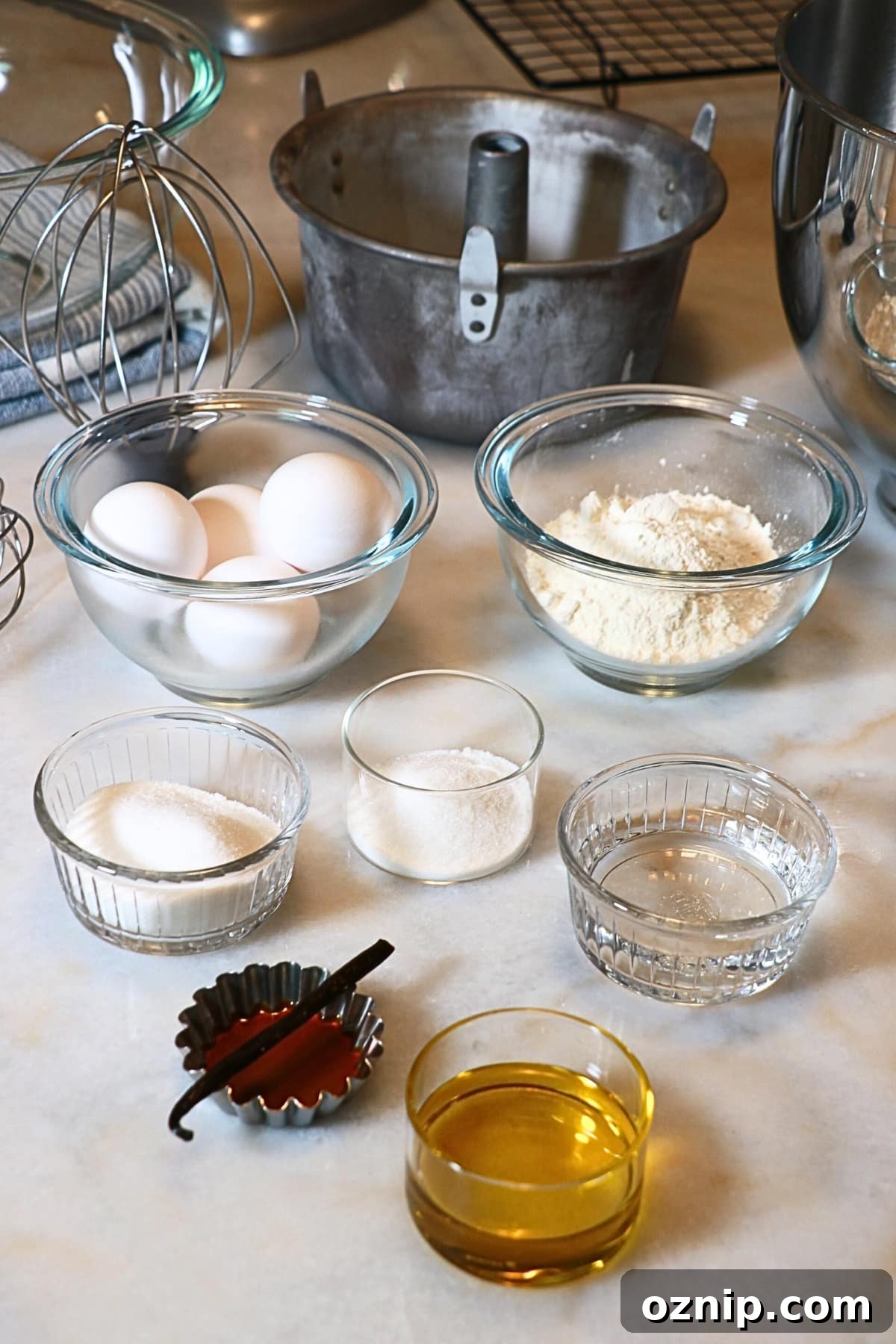
Ingredient Notes
- Eggs: Separate yolks and whites carefully. Any yolk in the whites prevents good volume.
- Vanilla beans: If using extract, don’t add too much—excessive extract can slightly affect texture. You can omit vanilla or try other extracts like almond.
- Sugar: Split between yolks and whites for flavor and structure. Use caster or granulated sugar for the best texture.
- Liquid: Water works well, but you can substitute milk, coffee, or fruit juice for different flavors.
- Oil: Neutral oils (canola, vegetable) or light olive oil keep the crumb moist. Do not replace with melted butter; butter can cause the cake to sink on cooling.
- Cake flour: Produces the lightest crumb. All-purpose is an acceptable substitute if needed.
7 Steps to Make a Fluffy Vanilla Chiffon Cake
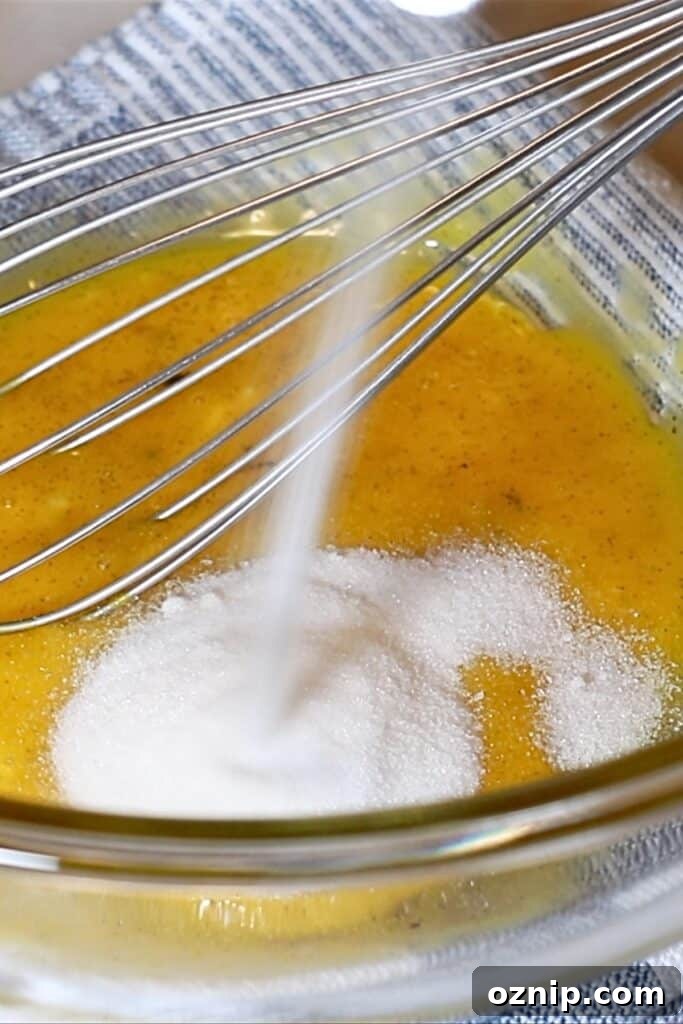
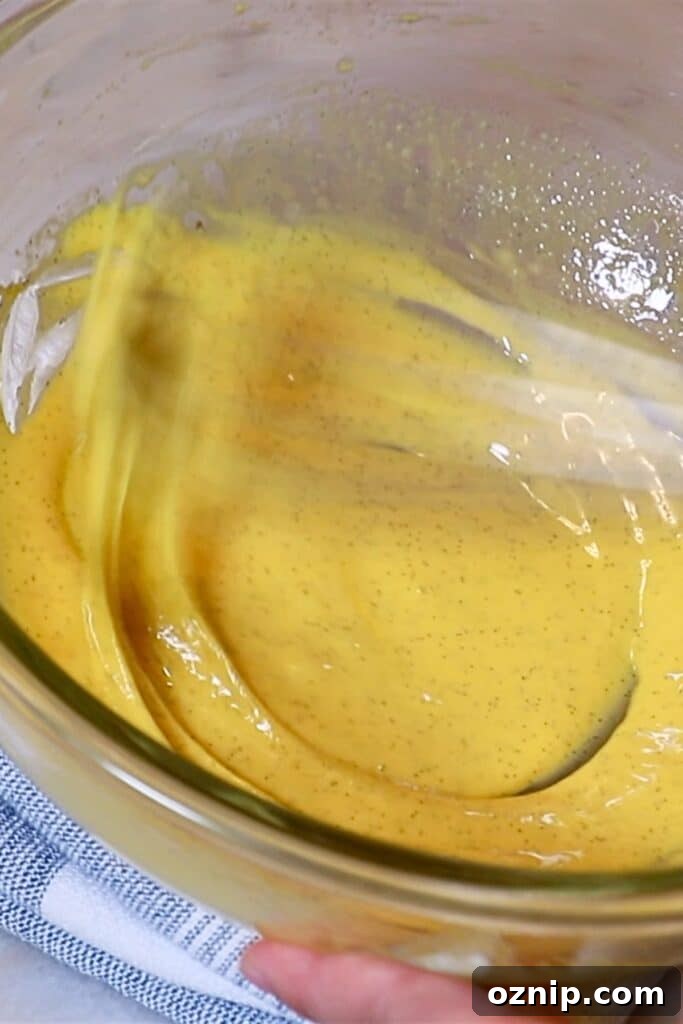
Beat yolks, vanilla, and sugar
Whisk egg yolks with vanilla (beans or extract) and the sugar until the mixture becomes pale and slightly thickened (about 3–5 minutes).
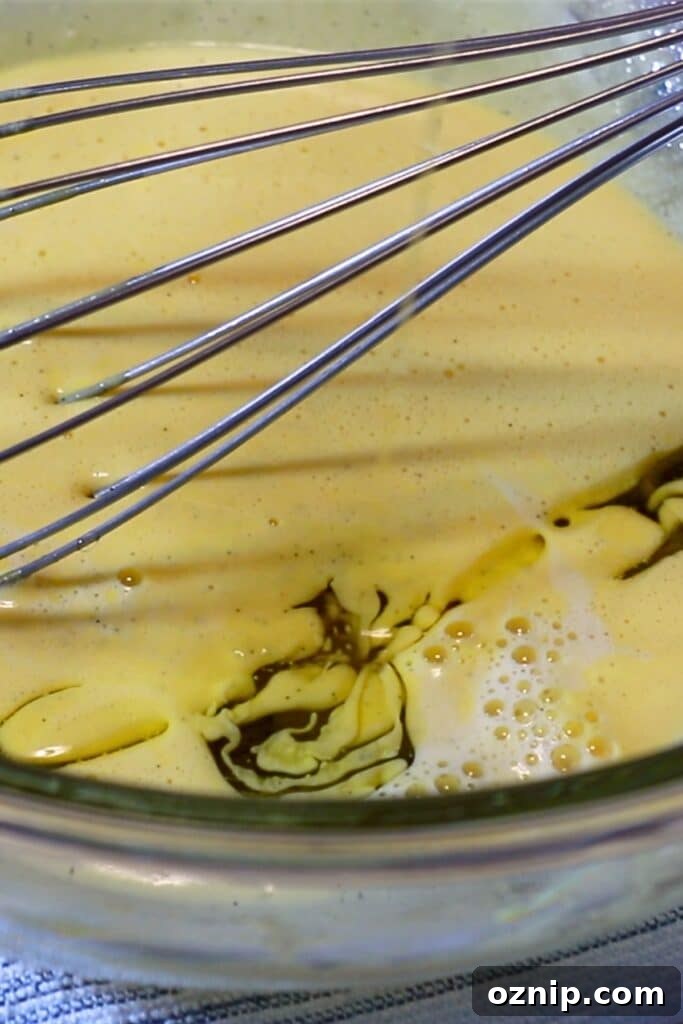
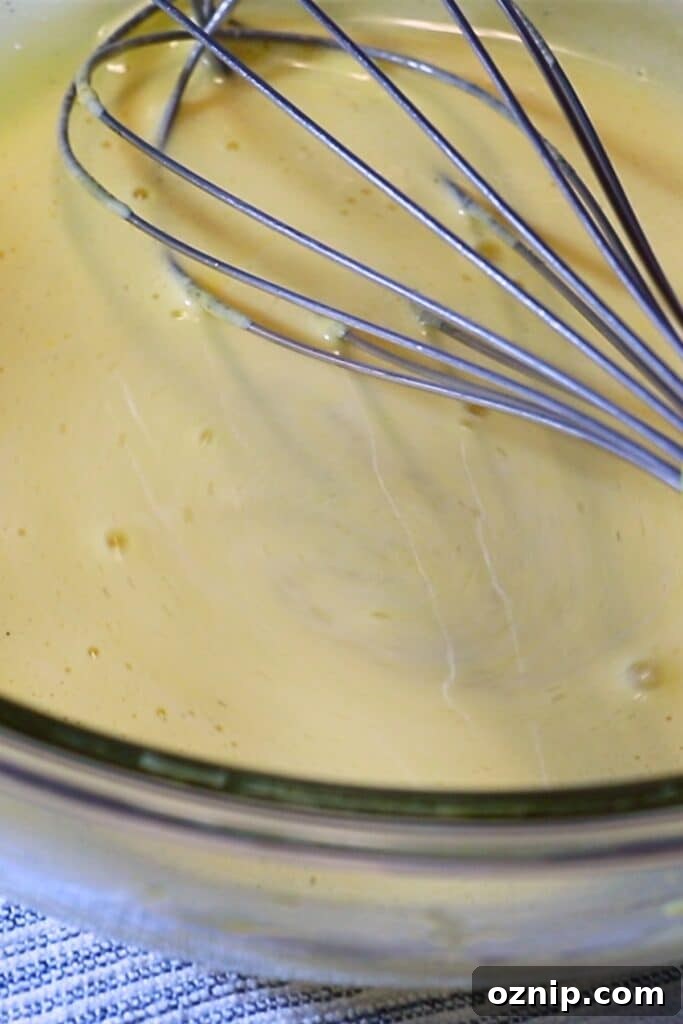
Mix in water and oil
Add the water and oil and mix until evenly combined.
Mix in flour
Sift and add cake flour, then whisk until the batter is smooth and lump-free. Set aside the yolk mixture.
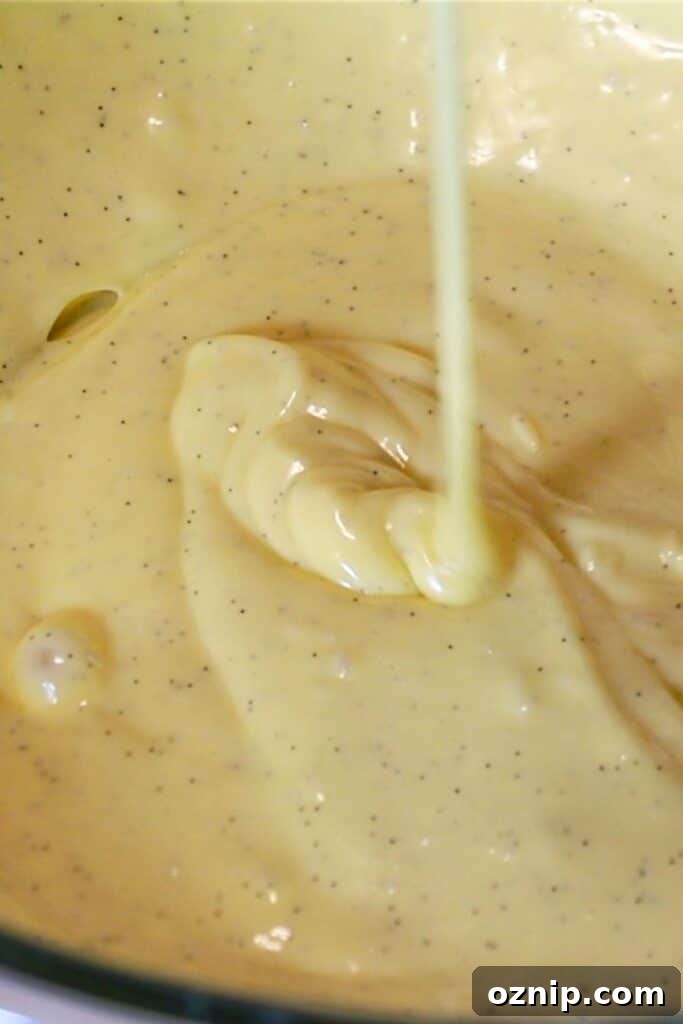
Make the meringue
Whip egg whites on medium speed. When they look foamy, add half the sugar and continue. As the whites thicken, add the remaining sugar. Lower the speed near the end to tighten the bubbles and stop when you reach glossy, stiff peaks. Use the meringue immediately.
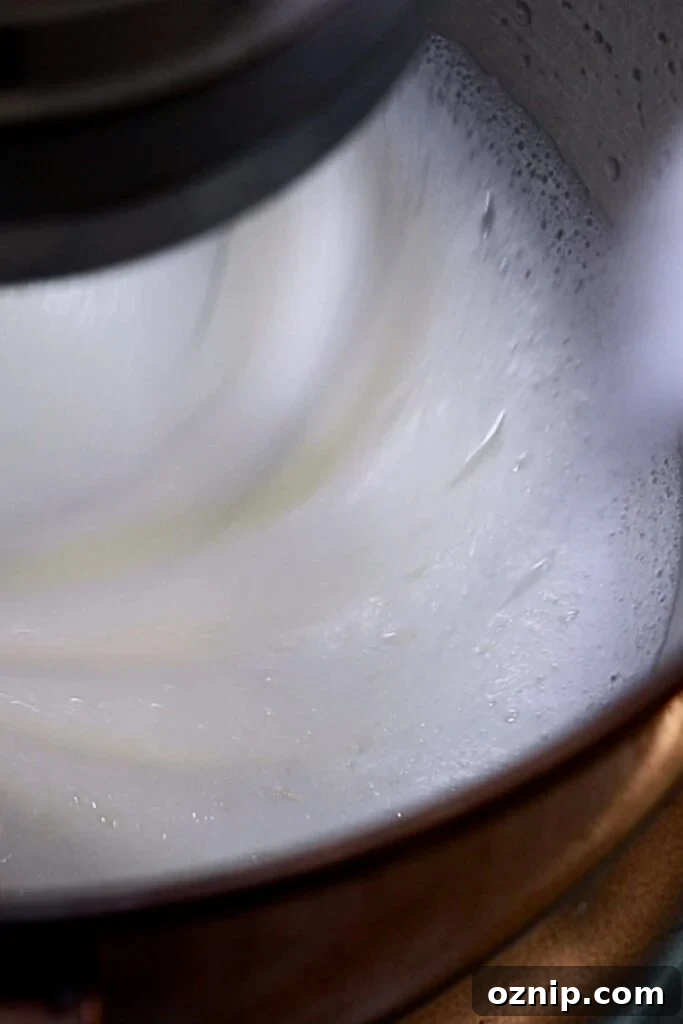
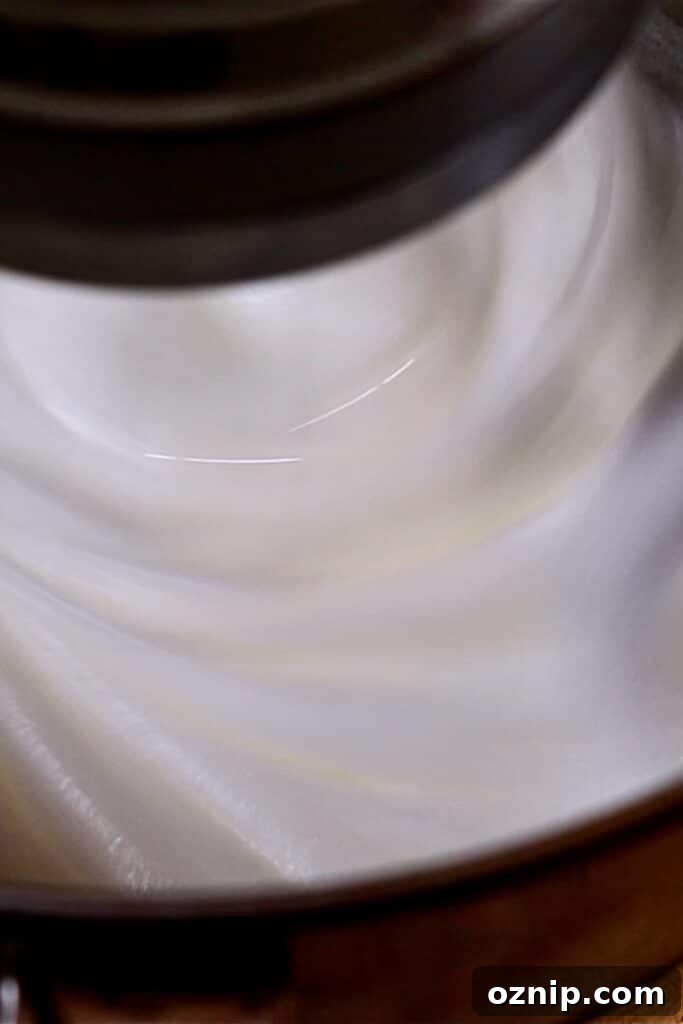
Lower speed toward the end to reduce bubble size. The meringue should be firm enough that the whisk leaves a clear peak.
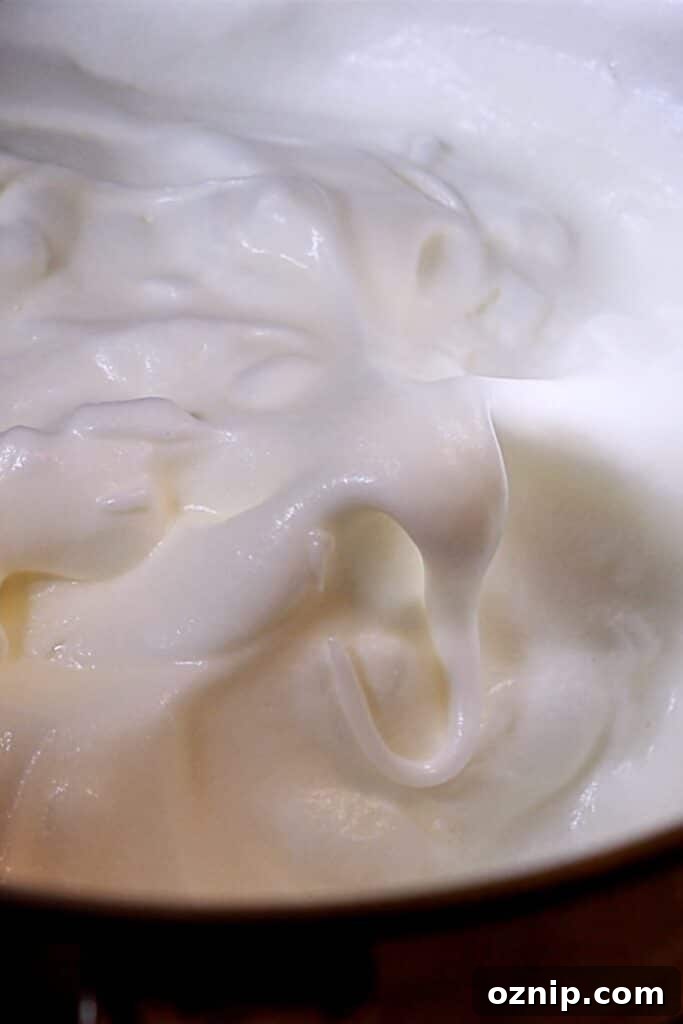
Combine the yolk mixture and meringue
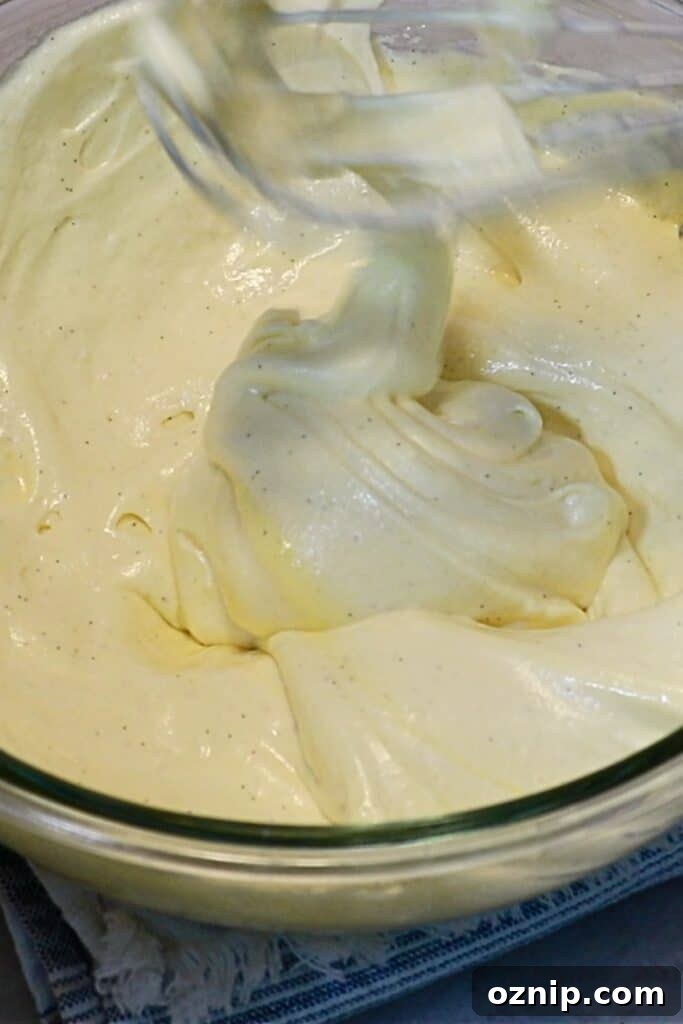
Fold about half the meringue into the yolk mixture with a whisk using a scoop-and-toss motion to lighten it. Add the remaining meringue and continue folding until just combined. Finish by scraping sides and bottom with a rubber spatula so there are no streaks.
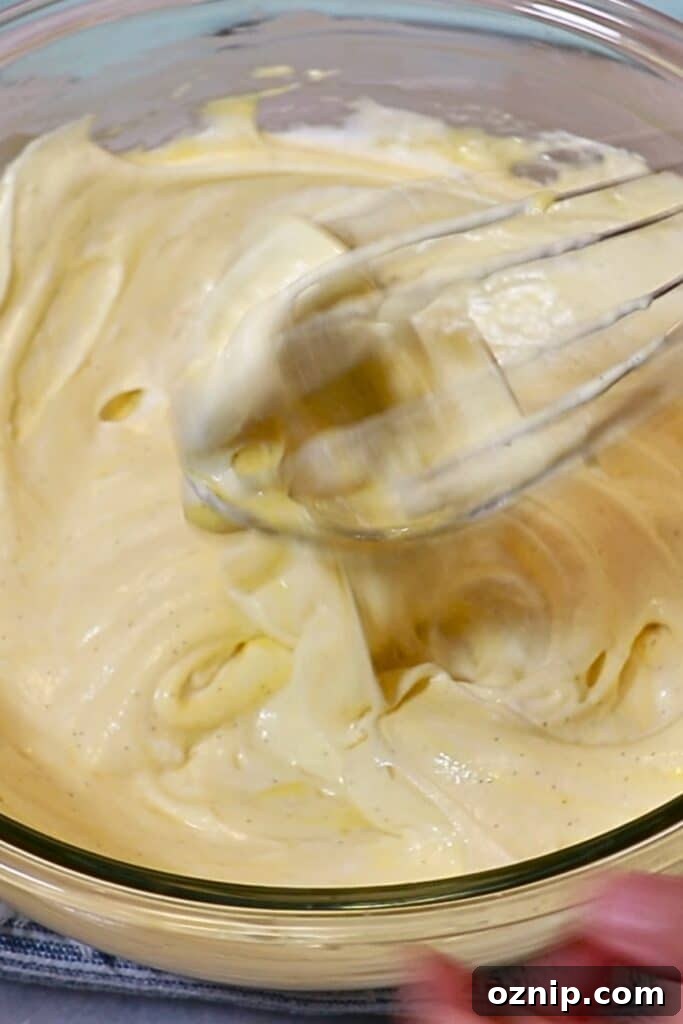
Switch to a spatula at the end to ensure even incorporation without deflating the batter.
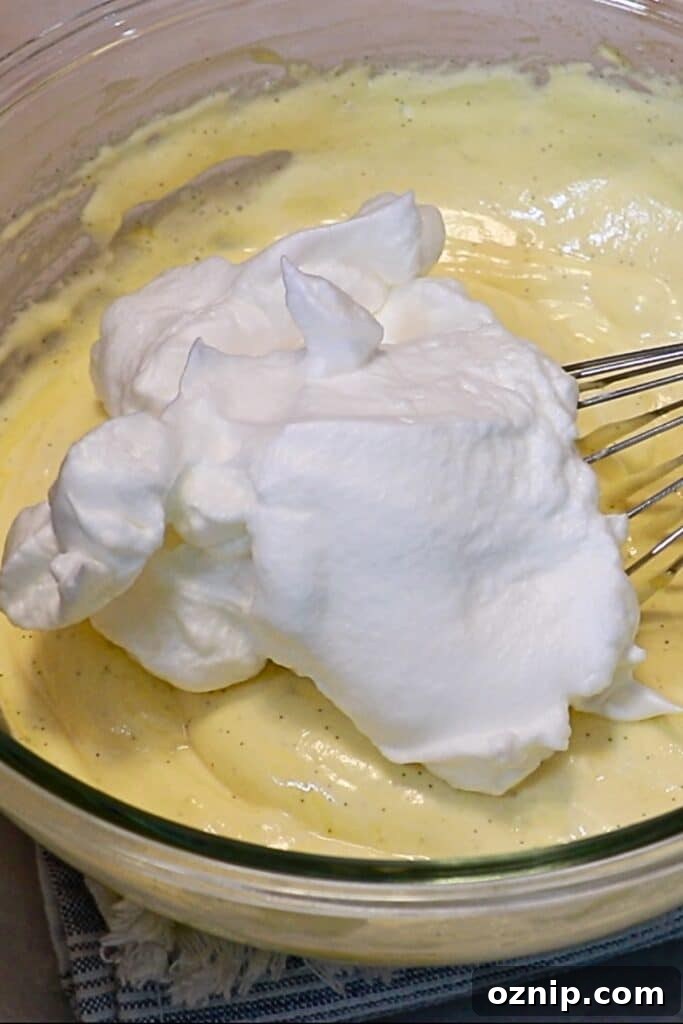
Bake the cake
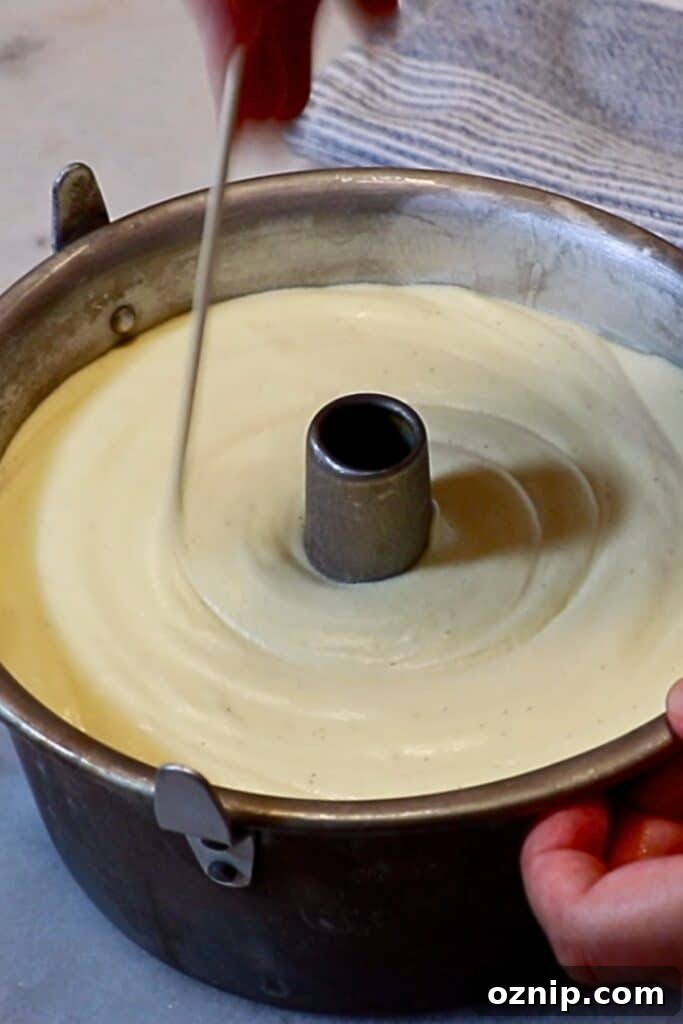
Pour the batter into an ungreased chiffon pan. Gently swirl the batter with a toothpick or chopstick to release any large air pockets, then bake right away.
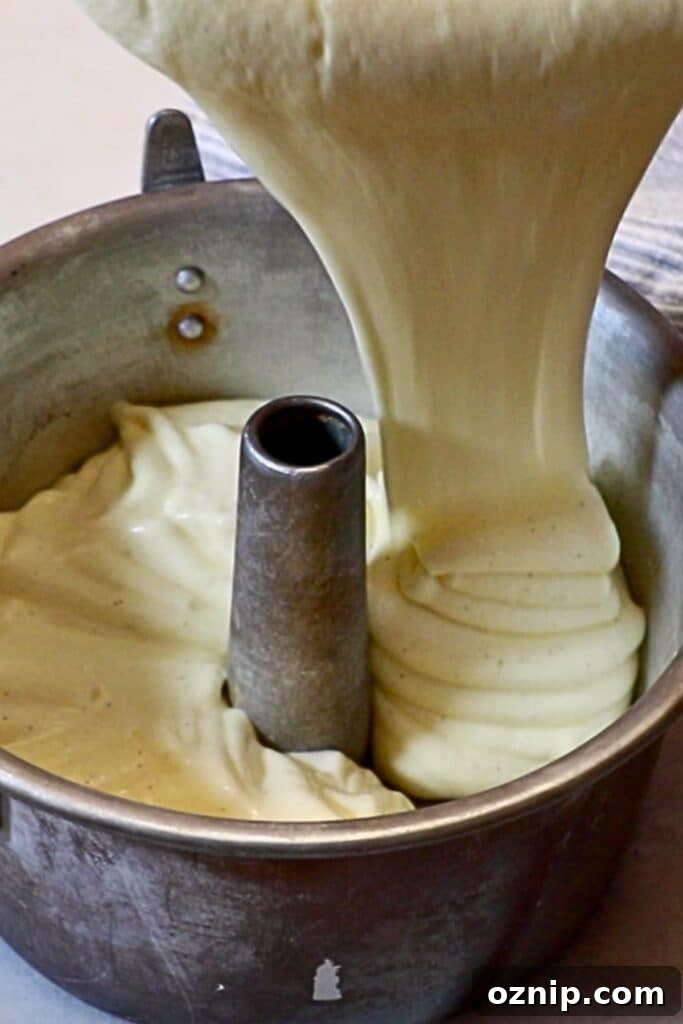
Bake at 340°F (171°C), preheated, for about 40 minutes. Times vary with pan size and oven; check doneness by a gentle spring-back on the top or a clean toothpick when inserted in the center.
Remove the cake from the pan
Right after removing from the oven, invert the pan and let it cool completely at room temperature. Once cool, remove the sides and base following these steps:
How to remove a chiffon cake by hand
- Press the sides and the tube area gently to loosen the cake.
- Flip the pan and push on the bottom to detach the cake from the sides.
- Push the cake from the center to separate it from the pan bottom.
- Twist and lift the pan base away.
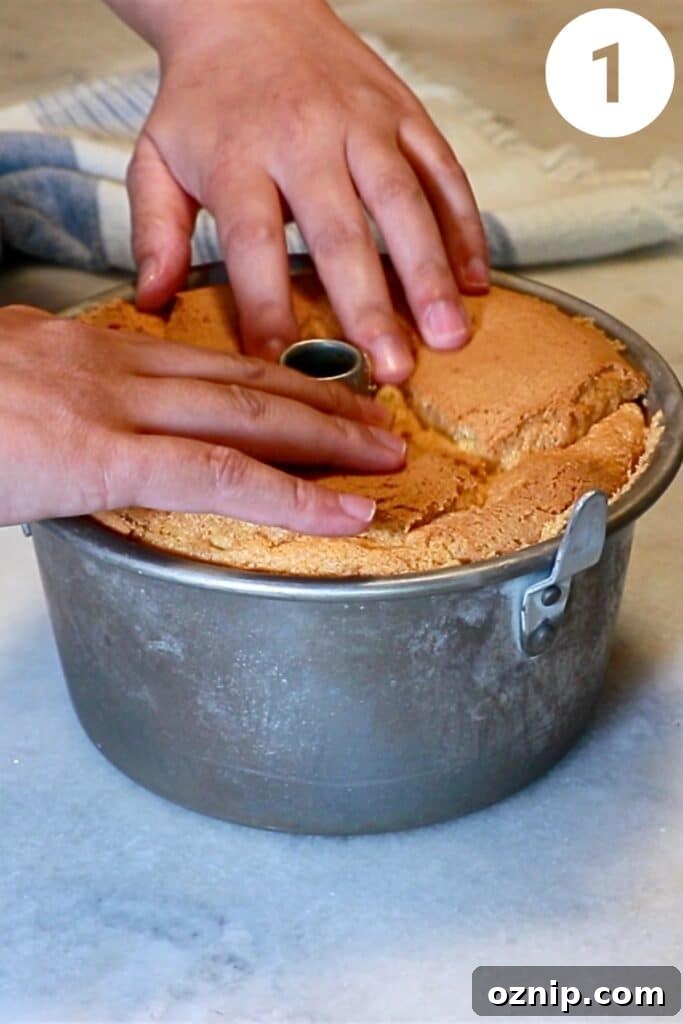
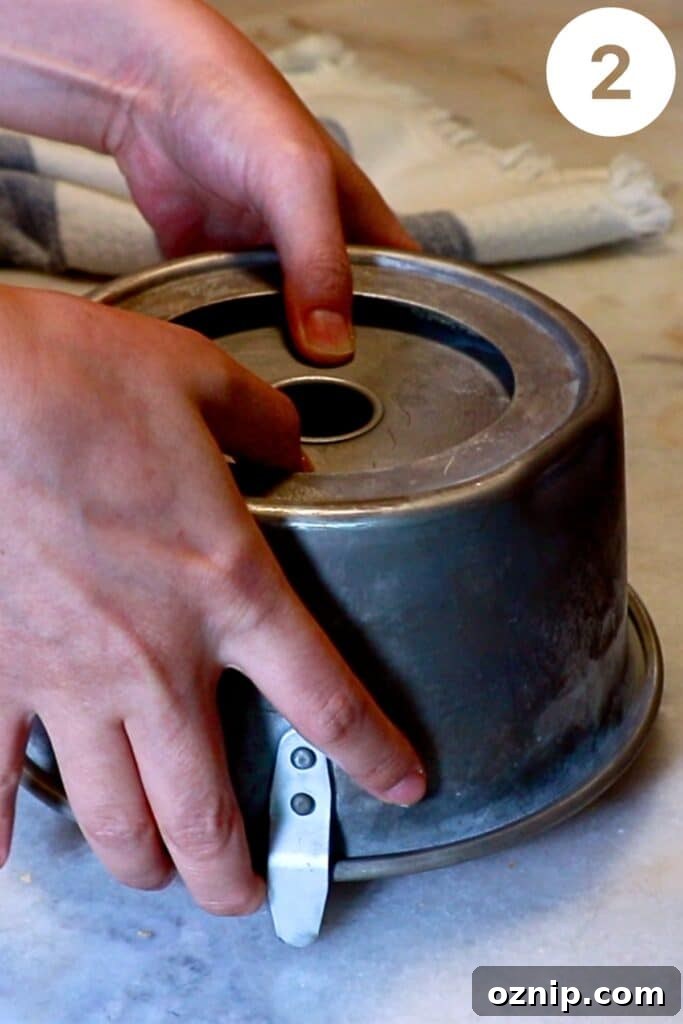
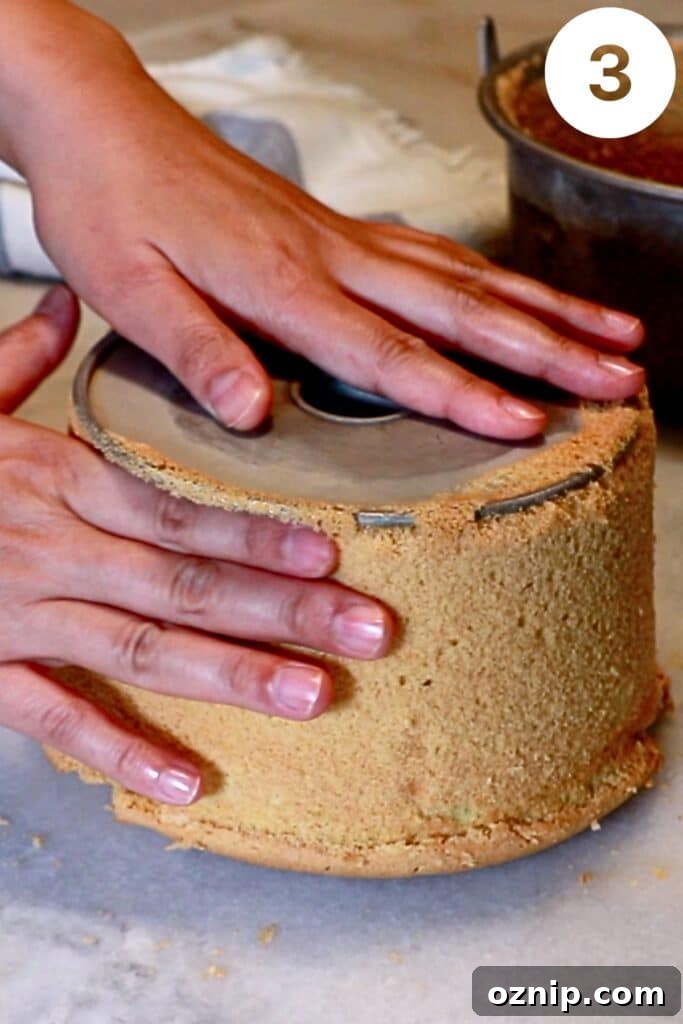
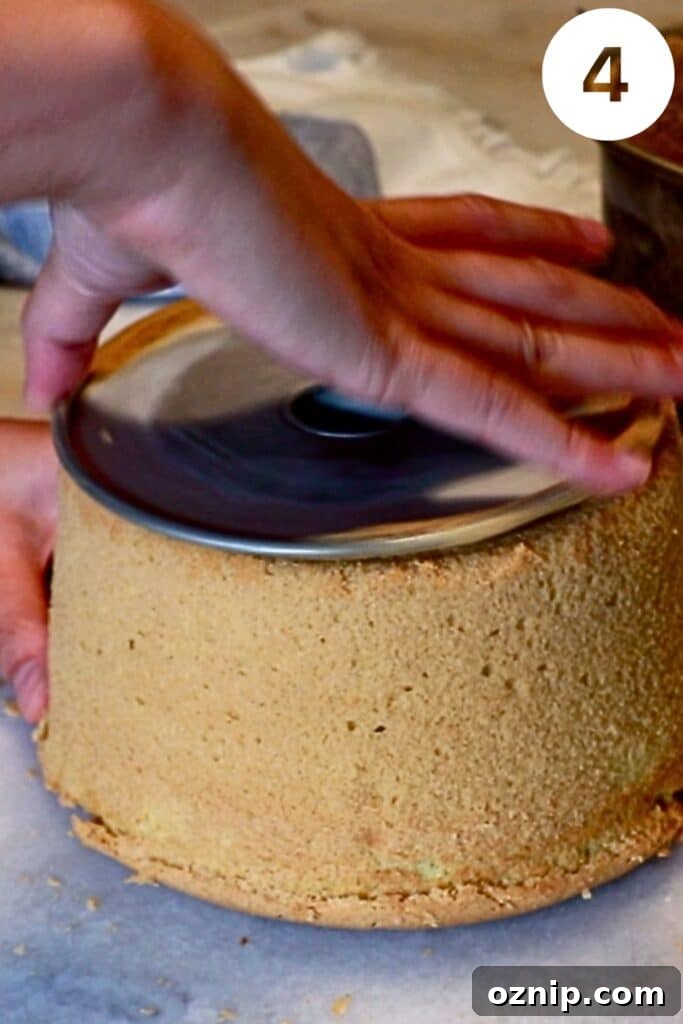
I used to run a spatula along the sides, but that left marks. Removing the cake by hand avoids scuffs and works well because chiffon is light and resilient.
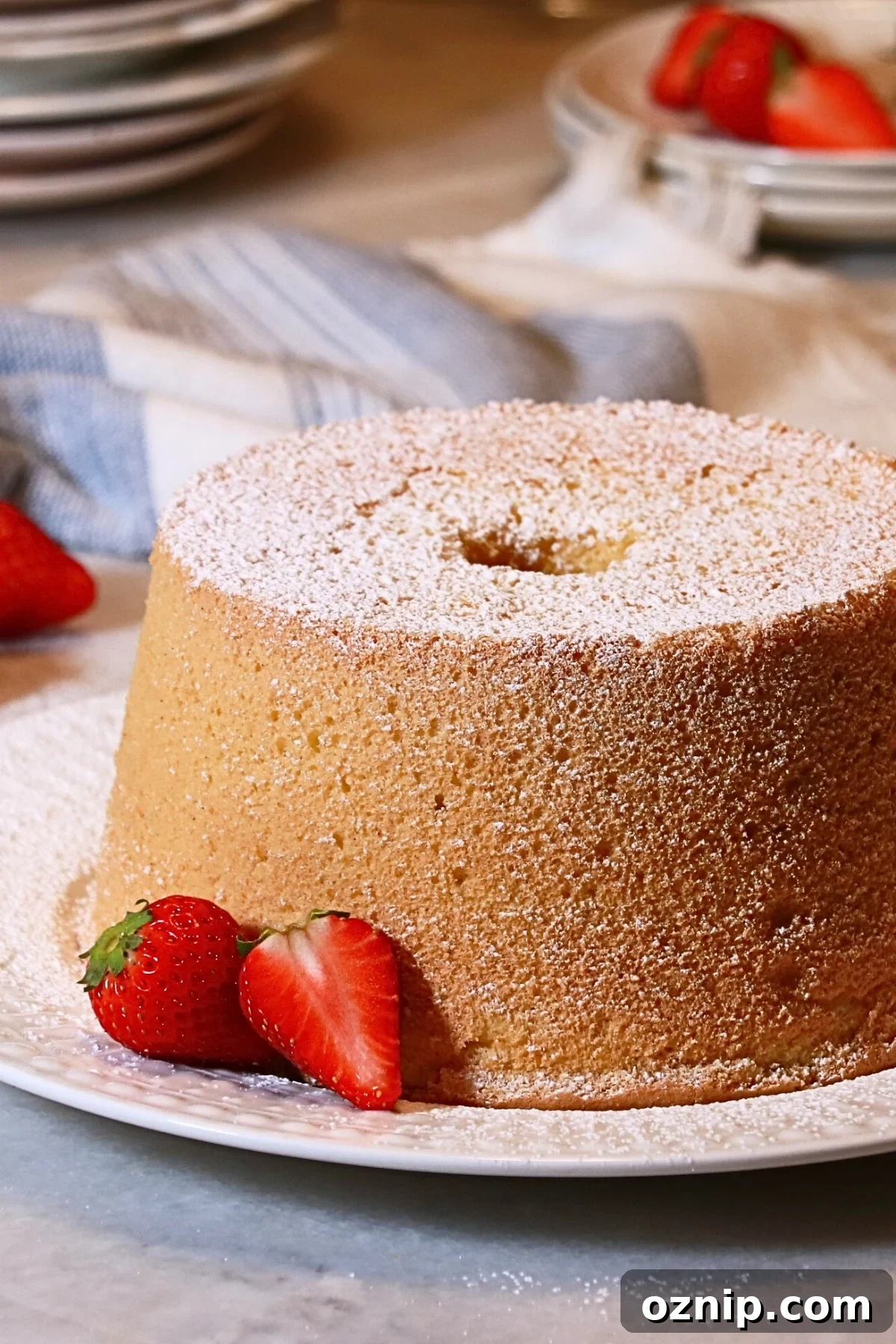
The cake is ready to serve. Top with whipped cream for a classic presentation, or pair a slice with fruit and mint for afternoon tea. The light sponge and softly whipped cream make a perfect match.
Enjoy!
Aya xx
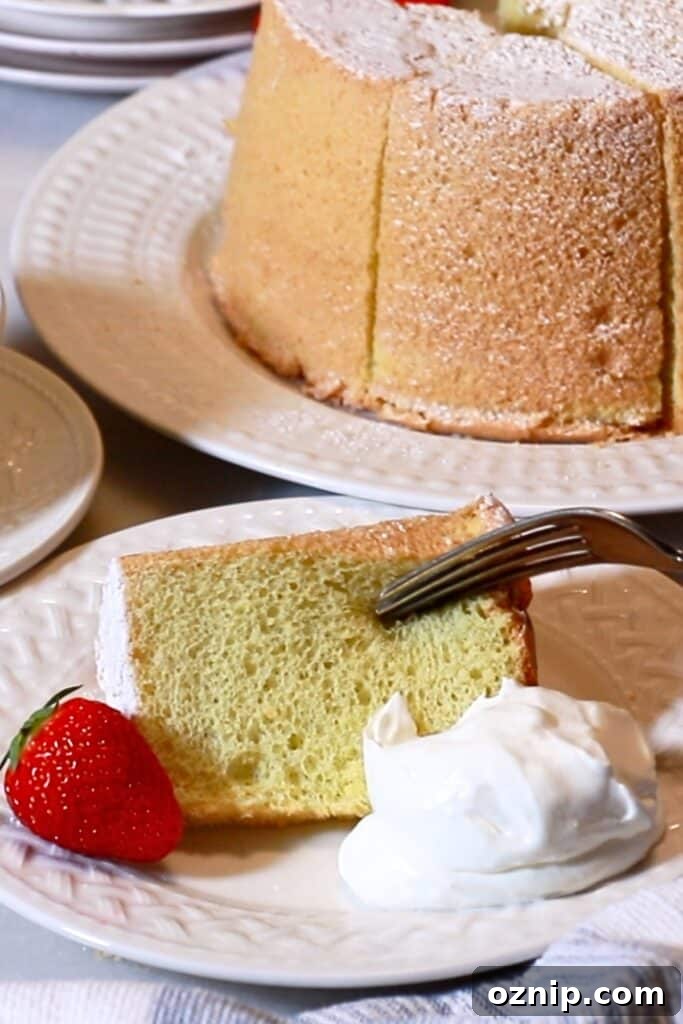
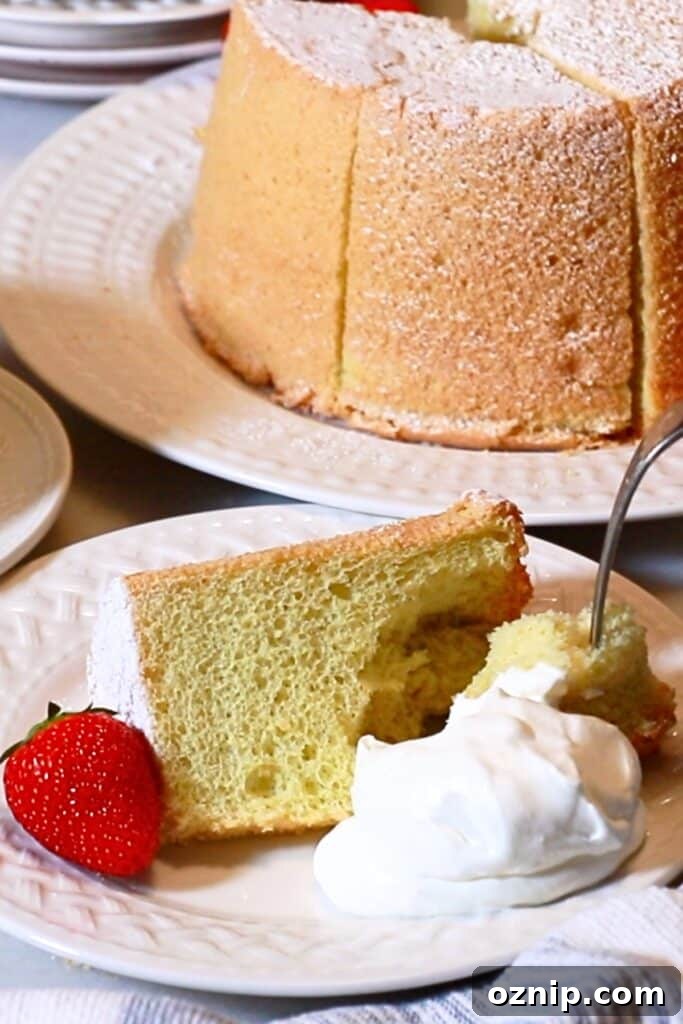
How to Store Homemade Chiffon Cake
Wrap the cake surface tightly with plastic wrap (twice, if possible) to keep it from drying out.
Store at room temperature for 1–2 days. If you won’t eat it within that time, refrigerate it to prolong freshness.
Refrigerated, it stays good for 3–4 days, though it gradually loses moisture.
Yes. Freeze tightly wrapped for up to one month. Expect some drying over time.
If sliced, seal exposed edges with plastic wrap and store in an airtight container in the fridge for 3–4 days.
Troubleshooting
Why didn’t the cake rise much?
Possible causes:
- Soft meringue: If the meringue wasn’t whipped to stiff peaks, the cake won’t gain enough volume.
- Delay before baking: If the batter sits too long after folding, air escapes and the rise is reduced. Work quickly once the meringue is ready.
- Oven temperature: Ovens vary. If technique is correct but rise is low, try a slightly higher temperature or check your oven calibration.
Why did my cake collapse a lot?
- Underbaked: A center that’s not fully set will deflate when cooled—bake until the center springs back.
- Wrong pan: Using greased or nonstick pans prevents the cake from clinging to the sides and can lead to collapse. Use an ungreased tube pan.
Why is the cake dry?
Dry cake usually means it was overbaked. Follow timing guidelines and check for that gentle spring-back at the top to avoid drying out the crumb.
Why are there lumps of cooked meringue?
Possible reasons:
- Meringue too stiff: Overwhipping makes it crumbly and hard to fold uniformly.
- Meringue separated: If it sat too long, the structure breaks down. Use it immediately after whipping.
- Folding method: Folding with a spatula alone can leave pockets of meringue. Start folding with a whisk for quick incorporation, then finish with a spatula.
A few small lumps won’t ruin the cake—if the final result is moist and light, it will still taste great.
FAQ
Yes. Cake flour yields a slightly softer, more delicate crumb, but all-purpose works well in a pinch. Cakes made with all-purpose will be a bit more structured because of slightly higher gluten.
Sponge cake refers to cakes that rely on whipped eggs for their lift, producing a light, airy texture. Methods vary—chiffon, genoise, and angel food each use different techniques.
Angel food uses only egg whites and no yolks, with little or no fat added. Chiffon includes yolks and oil or liquid, giving it a moister, bouncier texture.
Double the ingredient amounts for a 9-inch pan and expect a longer bake time—start checking at around 45 minutes.
It’s not ideal—the center often sinks. If you must, using a water bath can help stabilize the bake, though a tube pan is best.
This recipe achieves stable meringue without acid, but adding a small amount of cream of tartar or lemon juice is optional if you prefer.
Other Fluffy Sponge Cake Recipes
If you enjoyed this chiffon, try other sponge-style cakes for variety and inspiration.
- Pumpkin chiffon cake
- Lemon chiffon cake
- Vanilla sponge (Genoise method)
- Classic ladyfingers (Biscuit method)
- Vanilla roll cake
Did you try this recipe?
Share your honest feedback in the comment section. I’d love to hear how it turned out for your special occasions.
Thank you! – Aya
Fluffy Vanilla Chiffon Cake
Pin Recipe