Making homemade gravy can seem intimidating, but it’s easier than you think and incredibly satisfying. Once you practice a few times, you’ll discover you don’t need store-bought packets to make a rich, smooth gravy that complements roasted poultry and mashed potatoes beautifully.
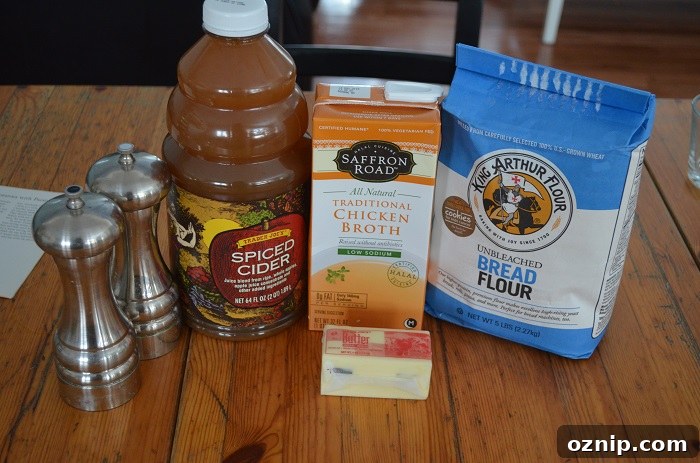
The basic pantry ingredients I use are simple: unbleached all-purpose flour, chicken broth, a splash of spiced or regular apple cider (not apple cider vinegar), and salt and pepper. The cider is optional; it adds a subtle sweetness and depth, but the gravy will still be delicious without it.
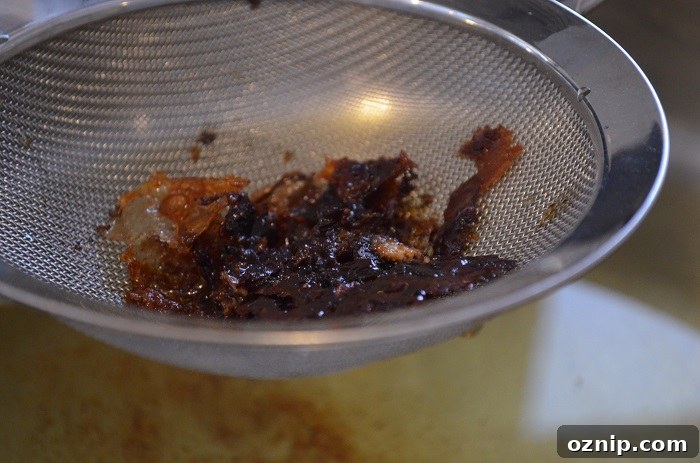
The most important component is the drippings from the roasting pan—the browned fat, juices, and little flavorful bits left after roasting a chicken or turkey. Those browned bits carry concentrated savory flavor and are the foundation of a great gravy. For a smooth final texture, strain the drippings through a fine-mesh sieve to remove large solids and charred pieces, then set the clear, flavorful fat and juice aside.
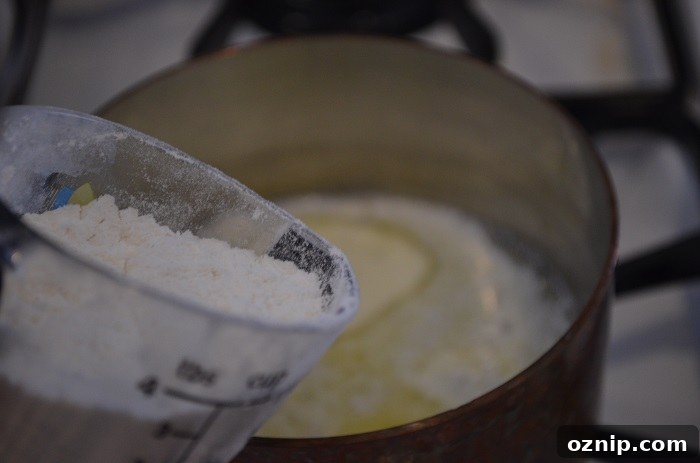
To start the gravy, melt unsalted butter in a small saucepan over low to medium heat. Add two tablespoons of flour to the melted butter to make a roux. The roux is the thickening base for the gravy and helps create a silky texture. As soon as you add the flour, whisk vigorously for a few seconds to combine and cook the raw flour taste. Then remove the pan from heat briefly to avoid browning the roux too much; you want it cooked but not dark.
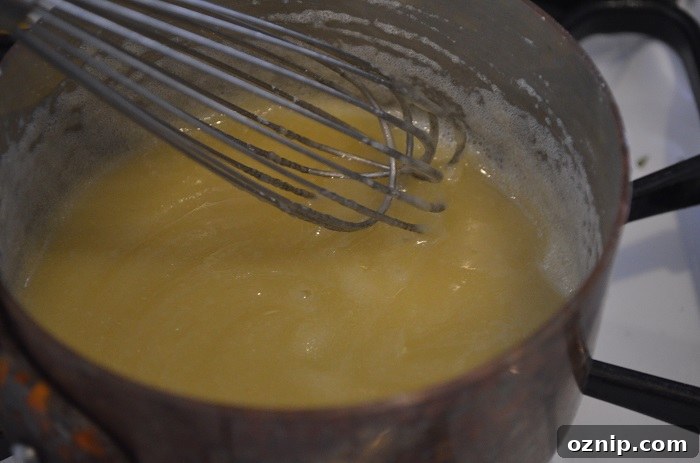
Whisk immediately and keep the mixture moving for about three to four seconds, then remove from the heat. This quick attention prevents the roux from burning and ensures a smooth base for the gravy.
In a separate large sauté pan or saucepan, pour in the strained fat and juices from the roasting pan. Warm the drippings gently over medium-low heat so the fat becomes liquid and spreads flavor through the pan. Next, add your chicken broth gradually, stirring as you go to incorporate the liquid into the fat smoothly.
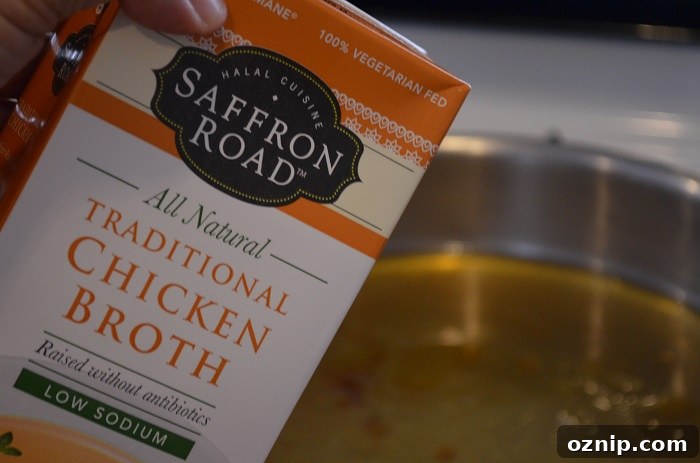
Use a good-quality, low-sodium chicken broth if possible. Low-sodium broth gives you better control over seasoning, since many side dishes like mashed potatoes may already be salted. Add the broth slowly while whisking to combine it with the roux and drippings, preventing lumps and creating a smooth-bodied gravy. If you prefer a slightly sweet note, stir in a small amount of apple cider at this stage.

As the mixture heats, it will thicken. If you want a thicker gravy, add additional flour a tablespoon at a time, whisking thoroughly after each addition. Continue to cook and whisk until the desired consistency is reached. Taste frequently during this process and adjust seasoning with salt and freshly ground black pepper. Tasting as you cook is the key to a well-balanced gravy.
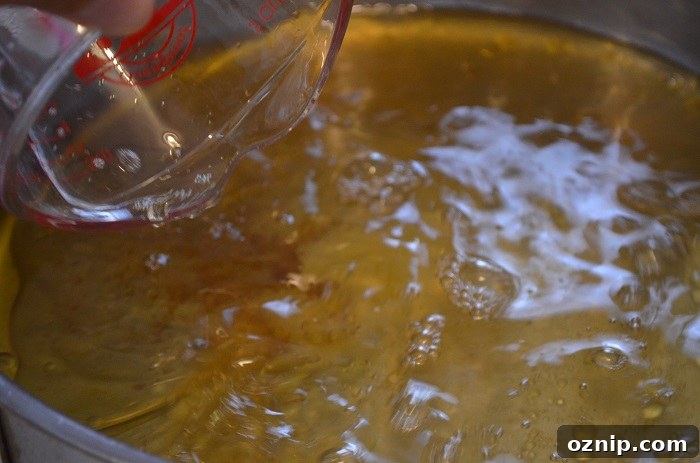
Once the gravy is smooth and seasoned, keep it hot and serve immediately. Pour it into a warmed gravy boat, jar, or serving bowl so it stays hot and doesn’t cool your mashed potatoes. If the gravy cools and thickens too much, gently reheat while whisking and, if needed, thin with a splash of broth.
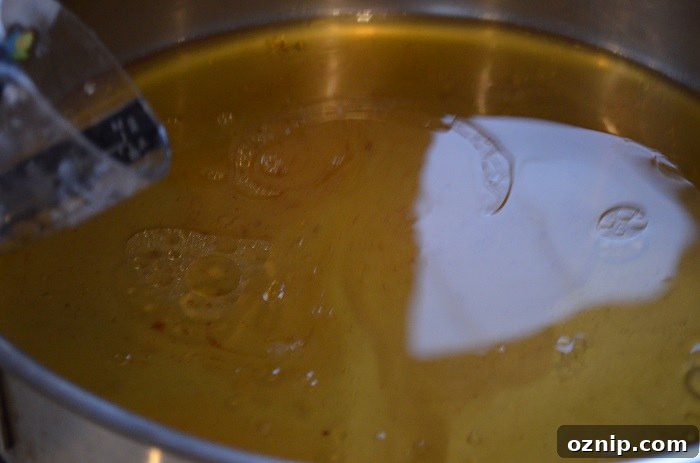
Enjoy the finished gravy over mashed potatoes, roasted vegetables, or even fries. The rich, savory flavor from the pan drippings combined with a silky roux and well-seasoned broth makes a comforting, homemade gravy that elevates any meal.
 Serve hot and enjoy the comforting combination of mashed potatoes and gravy—simple, satisfying, and homemade.