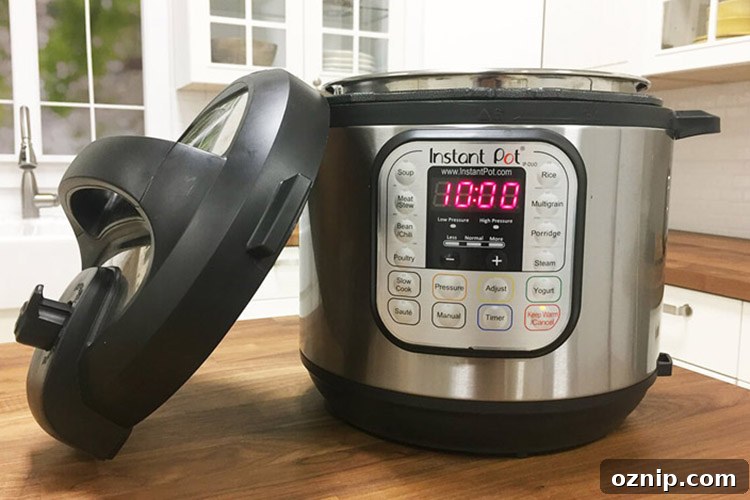

We love these 27 recipes you can make in your Instant Pot, but that enthusiasm assumes you already know what an Instant Pot is and how to use one. This guide is a straightforward, practical introduction to electric pressure cookers—what they are, how to choose one, and how to use it safely and effectively so you get confident fast.
What is an Instant Pot?
Instant Pot is the brand name that has become synonymous with electric pressure cookers. In essence, an electric pressure cooker is an airtight pot that cooks food quickly by trapping steam and raising pressure inside the sealed vessel. That higher pressure raises the boiling point of water and dramatically speeds up cooking, so many dishes that normally take hours can finish in under 20 minutes. In casual conversation people often call any electric pressure cooker an “Instant Pot,” and this guide will focus on how to use those electric models safely and well.
Pick your pot
There are several brands on the market—Instant Pot, Fagor, Cuisinart, and others—so choosing the right model comes down to size and features. Think about how many people you usually cook for and whether you want extras like a yogurt setting, a slow-cook option, or a sauté mode to brown ingredients before pressure cooking. A 6-quart model is a common, versatile size for families, while smaller 3-quart pots suit singles or couples and larger 8-quart models are good for big-batch cooking. Consider which functions you will use most; having a specialty function you never touch adds cost but little benefit.
Get to know the design
Electric pressure cookers typically consist of an outer housing with the control panel, and an inner stainless steel or nonstick pot that holds the food. A locking lid seals the pot to create pressure. The lid and seal are important safety components, so read the manual for how your model locks and unlocks. Pressure is released either with a quick-release mechanism—a valve or button that vents steam quickly—or with a natural-release method, where you simply allow the pot to cool and depressurize on its own. Natural release can take up to 15 minutes or more depending on the volume of food and liquid.
Test Kitchen tip: Placing a cool, damp towel over the lid while using natural release can speed up pressure reduction slightly, but always follow your model’s safety guidance.
Learn how to boil water (seriously)
Your first use should be a simple “boil water” run. Add a cup or two of water to the inner pot, lock the lid, and select a short cooking program. This does three useful things: it verifies that your pot seals and pressurizes correctly, it shows you the inner pot’s maximum fill level, and it familiarizes you with the timing and release methods. Within a few minutes the pot will build pressure and begin counting down the cook time; you can then practice using the quick-release or wait for natural release.
Don’t get too caught up in the buttons
The control panel’s preset buttons are convenience shortcuts that suggest typical cooking times for certain foods. For example, a “fish” preset usually chooses a short cook time, while “chicken” uses a slightly longer setting. Many models include a “sauté” or “brown” mode that lets you caramelize vegetables or sear meat with the lid off before pressure cooking—handy for building flavor in soups and stews. Other common options include “sterilize” for utensils and some canning tasks, or a “slow cook” mode that operates like a traditional slow cooker without pressure. Use presets as starting points, but learn to adjust times based on recipes and quantity.
Psst: A pressure cooker often replaces a slow cooker for tasks that benefit from faster heat and sealed cooking, saving time and yielding tender results.
Release the pressure safely
Steam escaping from the pressure valve is extremely hot and can cause burns. Always ensure the steam release valve is turned away from you and other people or objects before performing a quick release. Do not use quick release for recipes with a lot of liquid or starchy foods like soups, stews, or grains—rapid venting can cause splatter and clog the valve. For those dishes, use natural release to avoid messy or dangerous eruptions of hot liquid.
Keep it clean
Regular cleaning extends the life of your cooker and keeps food tasting fresh. Remove the inner pot and wash it according to the manufacturer’s instructions—stainless steel pots are dishwasher safe on many models, while nonstick liners often require hand washing. Clean the sealing ring, lid, and steam valve frequently; food residue inside the valve or a warped gasket can prevent a safe seal. Follow the manual’s cleaning guidelines and replace parts like the sealing ring when they show wear.
With these basics you’ll be ready to try many recipes confidently. Once you’re comfortable with pressurizing, releasing, and cleaning your pot, explore a range of meals from weeknight stews to quick grains and even desserts—pressure cooking is versatile, time-saving, and reliable when used properly.