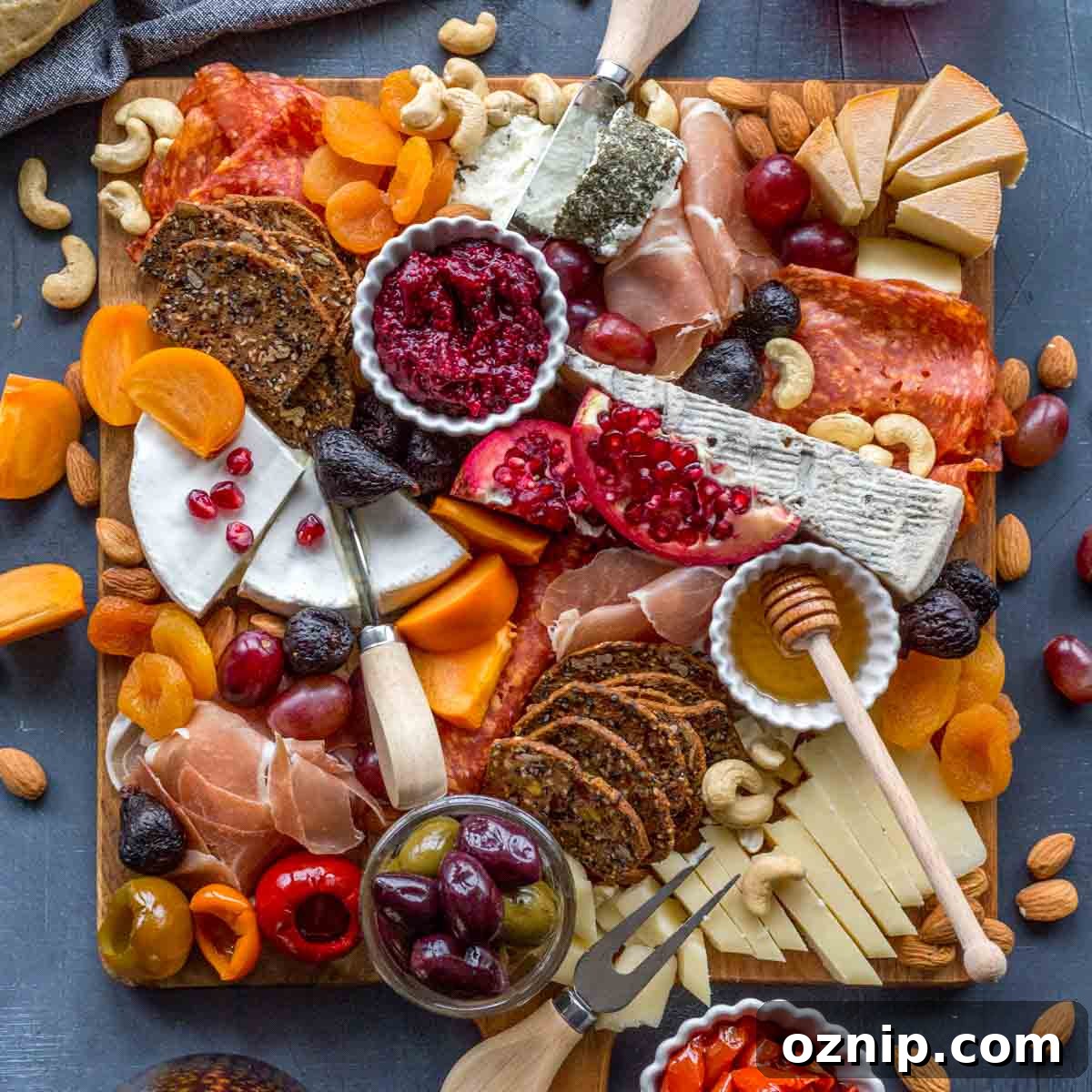
Putting together a cheese board appetizer is easier than you think. Follow these clear steps and simple tips to create a holiday cheese board that will delight your guests and make entertaining effortless.
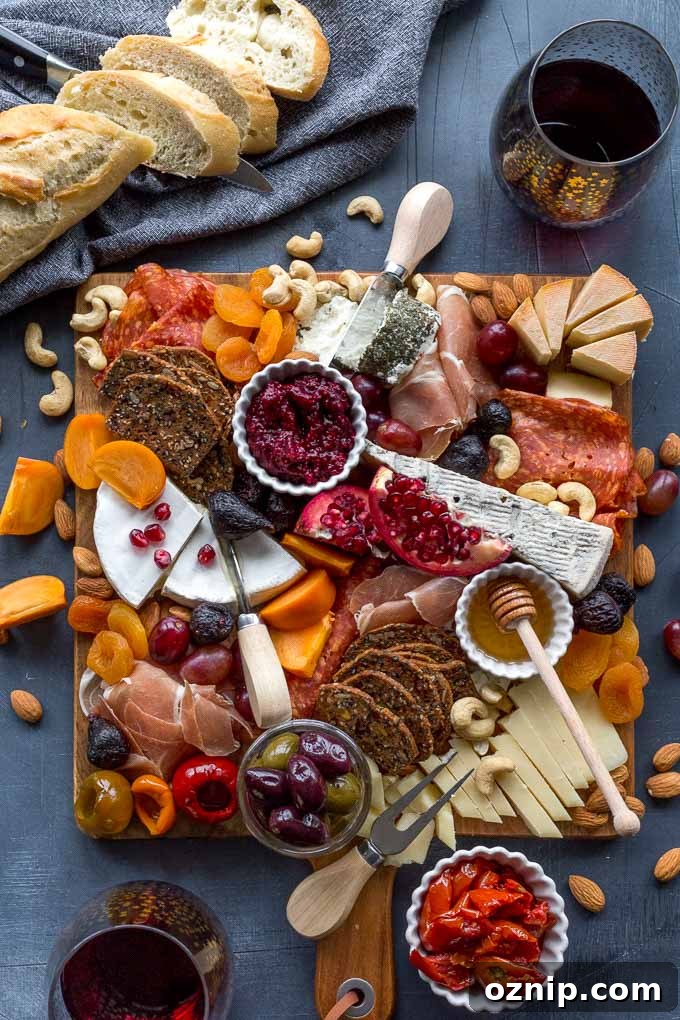
Ready-made platters save the day!
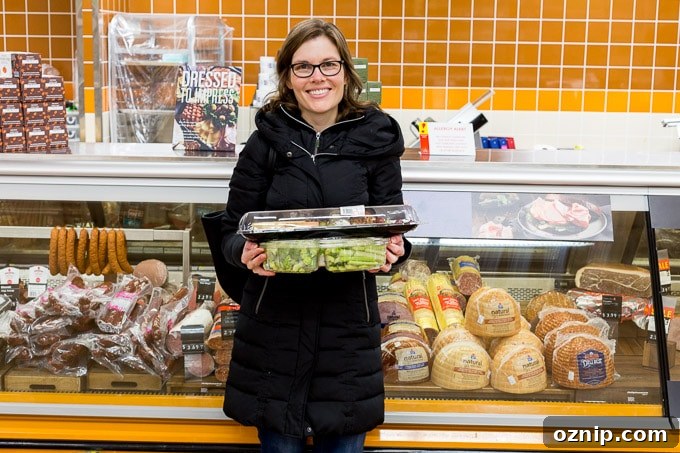
If you want to simplify holiday hosting, ready-made platters and deli trays are lifesavers. They cut down on prep time and still give you a beautiful starting point for a cheese board. Picking up a pre-made cheese platter or vegetable tray and then adding a few extra items lets you assemble an attractive, crowd-pleasing board in minutes. With a little planning and a few pantry staples, you can turn a store-bought platter into a customized, impressive appetizer.
For a casual gathering I often keep things simple: a mix of cheeses, a couple of cured meats, seasonal fruit, nuts, spreads, crackers and sliced baguette. This combination suits varied tastes and still looks abundant and festive. Below is a practical shopping and assembly guide to help you create a well-balanced cheese board without stress.
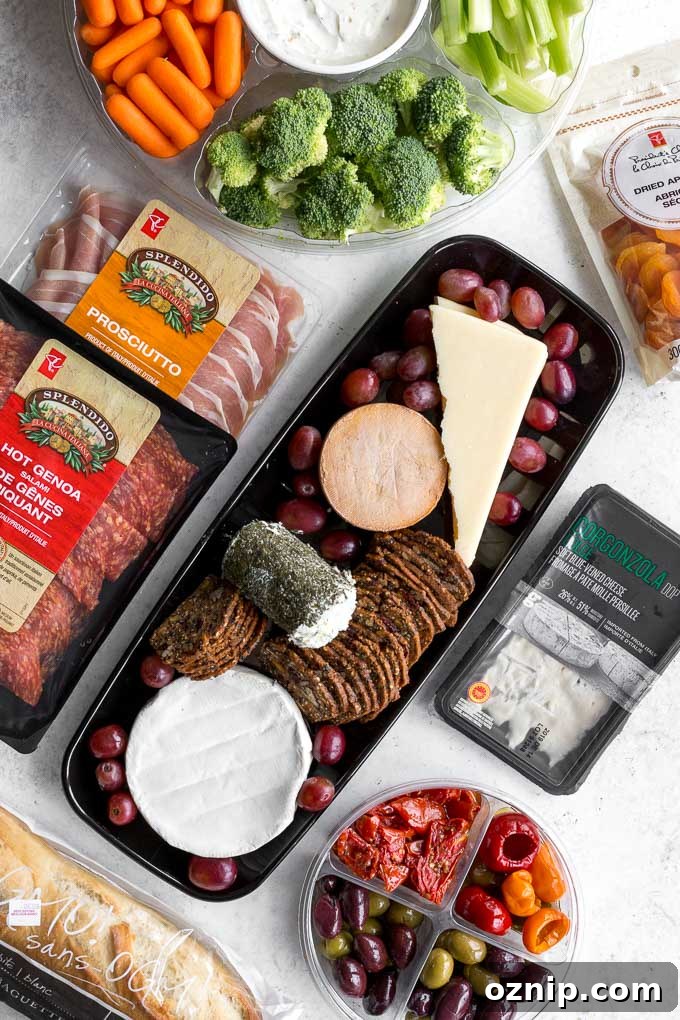
What you’ll need to build a simple cheese board
- 4–5 types of cheese
- 1–2 types of cured meat
- Fresh and dried fruit
- Crackers and bread
- An assortment of nuts
- Spreads and dips
- Marinated or pickled veggies
These components give you balance in flavor, texture and visual appeal. You can scale quantities depending on the number of guests and whether the board is an appetizer or the main event.
What are the best cheeses for a cheese board?
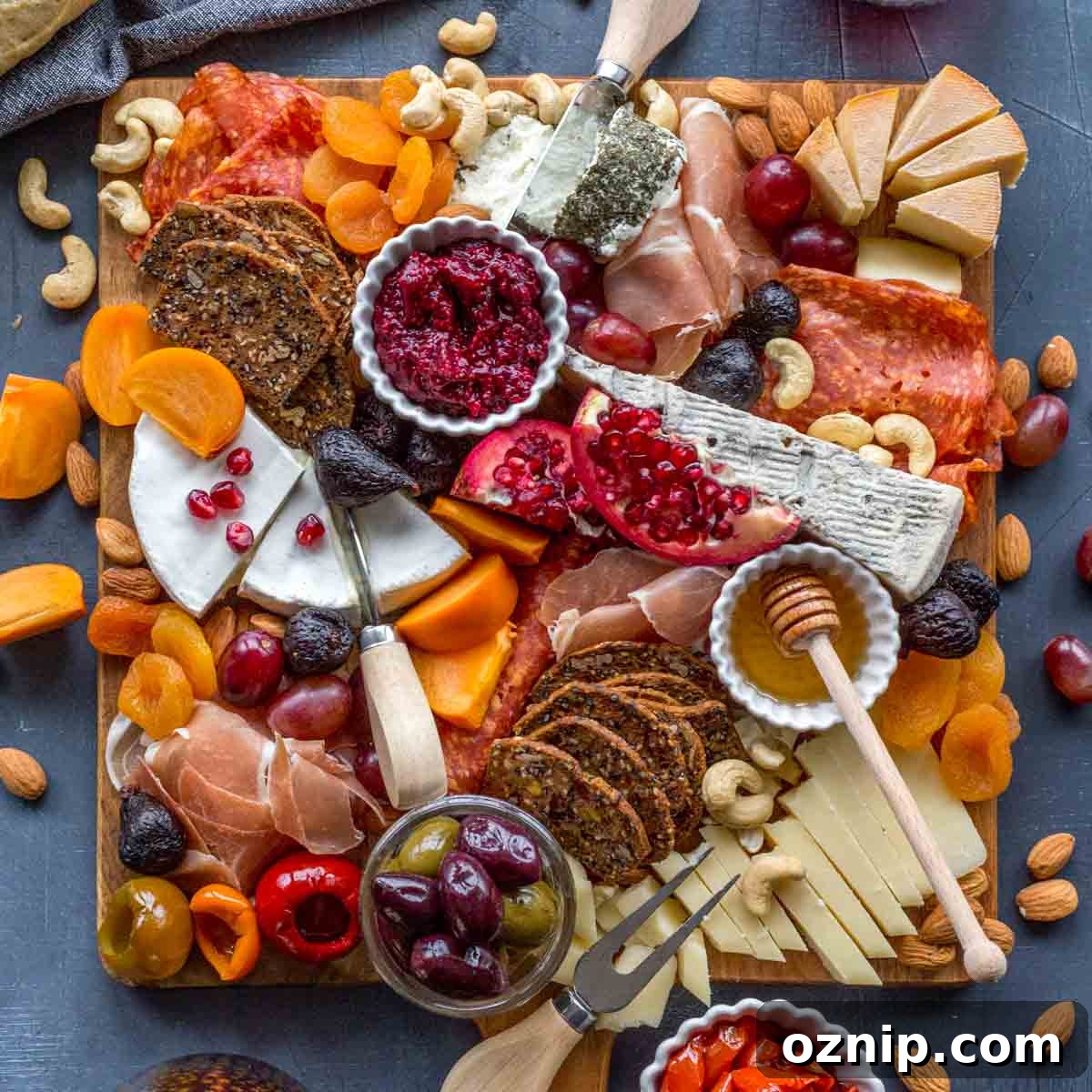
Choose cheeses you and your guests enjoy. A reliable approach is to include a mix of soft and hard cheeses with a range of intensities: mild, creamy, tangy and bold. For a standard holiday board I often select 4–5 varieties so there’s something for everyone. On the board shown here, I used:
- White cheddar
- Oka classic
- Double cream brie
- Herbed goat cheese
- Gorgonzola
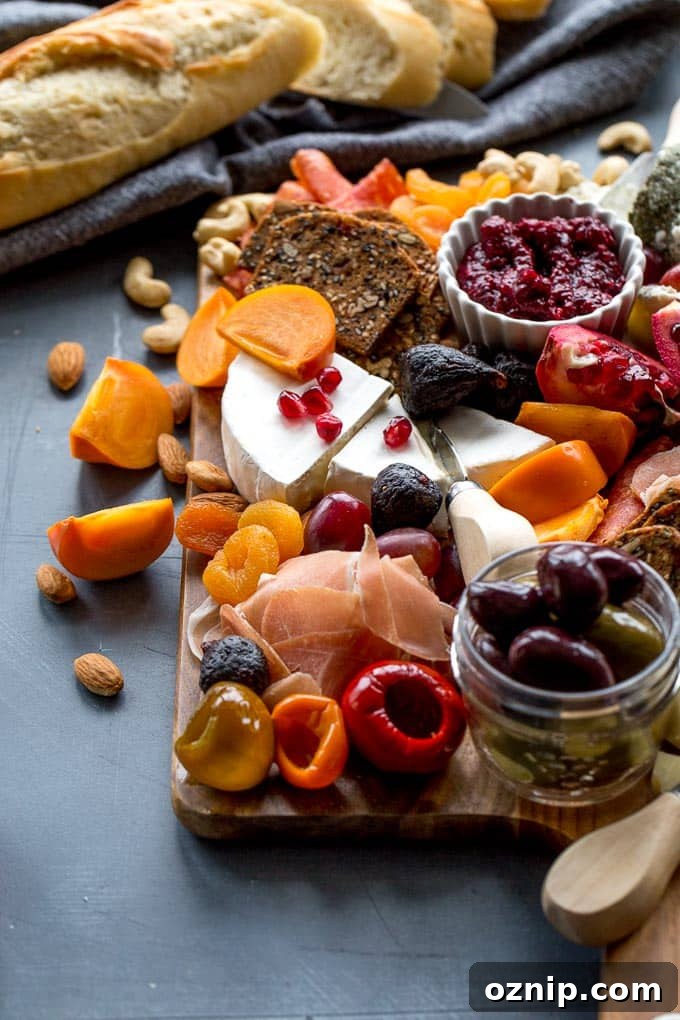
Other cheese board essentials
- Cured meats: Prosciutto and genoa salami are classic choices. Limit to one or two varieties so the meats complement, rather than overpower, the cheeses.
- Fresh fruit: Seasonal picks like persimmons, pomegranate seeds and grapes brighten the board and provide refreshing contrast.
- Dried fruit: Apricots and figs add chew and sweetness that pair wonderfully with many cheeses.
- Nuts: Raw or roasted almonds, cashews, pistachios or walnuts introduce texture and richness.
- Spreads and dips: Include a jam or sauce, a hummus or savory dip, and a touch of honey for softer cheeses.
- Marinated items: Olives, artichokes, roasted peppers and pickles bring briny or tangy notes that cut through richer cheeses.
- Crackers: One or two types of crackers—seedy, thin water crackers or fennel-cranberry crackers—work best. Spread them around the board so guests can reach them easily.
- Bread: Sliced baguette served alongside the board is helpful when feeding a group or when the board is part of a meal.
- Veggies: Carrot and celery sticks make for a lighter accompaniment and are useful if you want a fresher bite between rich tastes.
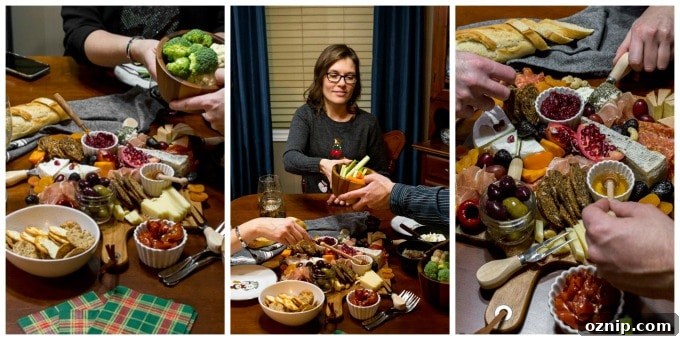
How to assemble a cheese board
Once your ingredients are ready, assembly is quick. Allow about 20 minutes for arranging everything thoughtfully. The goal is to create visual balance and make it easy for guests to taste pairings.
Easy assembly steps
- Select a board or platter that’s proportionate to the amount of food. Too large and it looks sparse; too small and it appears crowded.
- Place the cheeses first, spaced around the board to anchor the composition.
- Arrange meats next, folding or rolling slices and distributing them in several spots.
- Set small bowls or jars of spreads and marinated items on the board where appropriate.
- Fill remaining spaces with fruit, nuts and crackers. Stop when the board looks full—avoid both empty gaps and piled-up ingredients.
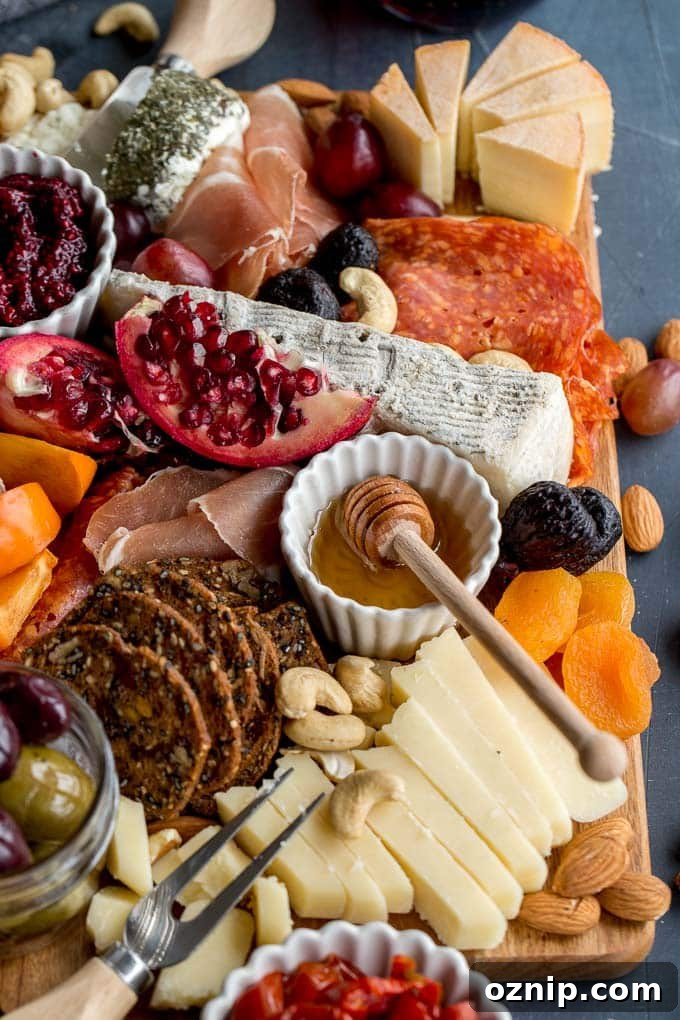
Other tips and suggestions
- Plan for roughly 1–2 ounces of cheese and meat per person, depending on whether the board is an appetizer or main snack.
- Pre-slice or cube some cheeses for easy serving, and leave a wedge or two whole with a knife for guests who prefer to cut their own pieces.
- Keep the selection focused. Choose one or two cracker types and a single baguette rather than an excess of options.
- Serve additional items like extra spreads, bread or vegetables on the side if you run out of space on the board.
- Add small spoons, forks, toothpicks and napkins so guests can serve themselves cleanly and easily.
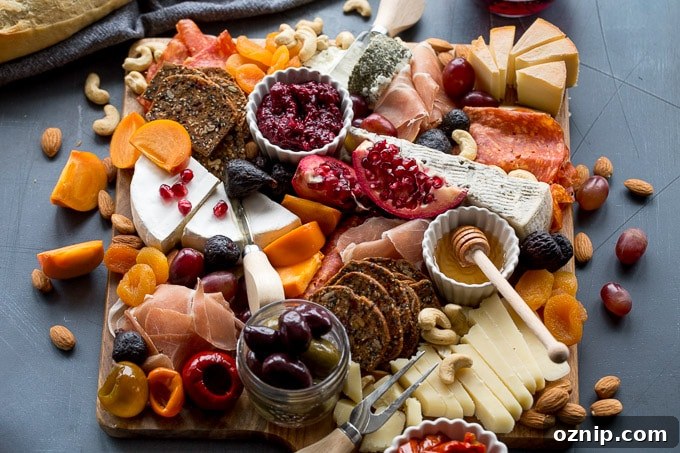
With a simple plan and a few good ingredients, you can create a beautiful cheese board that looks impressive and tastes delightful. Use seasonal produce, mix textures and flavors, and remember that less can be more. If you try this approach, take note of which combinations your guests love and adapt the board the next time for even better pairings.
Recipe
How to Make a Simple Cheese Board Appetizer
Putting together a cheese board appetizer is easier than you think. Follow these steps and tips to make a holiday cheese board to please your guests.
Prep Time: 20 minutes
Total Time: 20 minutes
Servings: 6 servings
Author: Leanne Combden
Ingredients
- 4–5 types of cheeses (for example: goat cheese, gorgonzola, cheddar, brie, oka)
- 1–2 types of cured meats (such as prosciutto and salami)
- Fresh fruit (pomegranate, persimmons, grapes)
- Dried fruit (apricots, figs)
- Assorted nuts (almonds, cashews, pistachios)
- Dips and spreads (jams, hummus, honey)
- Marinated fruits and veggies (olives, roasted peppers)
- Assorted crackers and sliced baguette
- Fresh veggies to serve on the side (carrot and celery sticks)
Instructions
- Start with a large board, platter or serving tray.
- Place cheeses on the board, spacing different varieties across the surface.
- Add the meats around the cheeses, dividing them into several small clusters.
- Place bowls of dips, spreads and marinated items on the board.
- Fill remaining spaces with fruit, nuts and crackers until the board looks full but uncluttered.
Notes
- Estimate about 1–2 ounces of cheese and meat per person.
- Slice or cube some cheeses ahead of time, and leave a couple of wedges with knives for variety.
Disclaimer
Nutrition information is an estimate and will vary based on brands and substitutions.