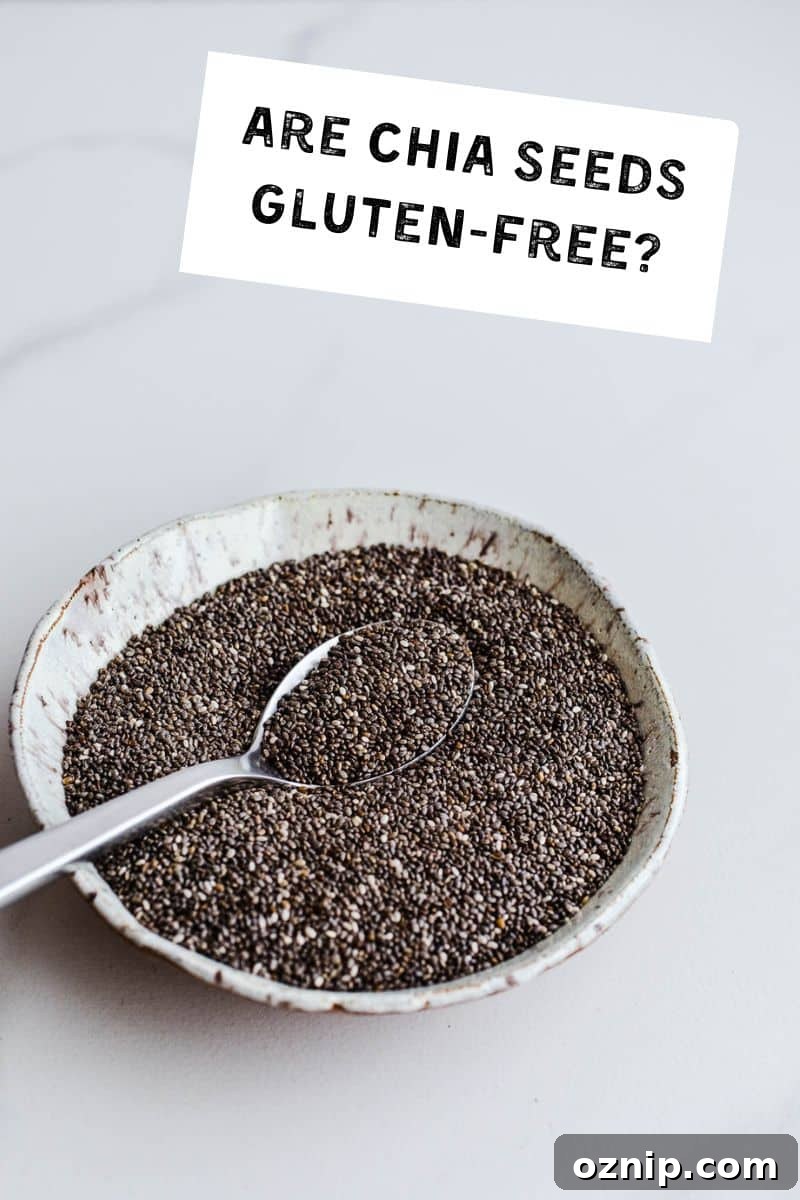
Chia seeds are a nutrient-dense pantry staple used in many recipes. But are they gluten-free?
Yes — in their pure, unprocessed form, chia seeds are naturally gluten-free. These tiny seeds come from the desert flowering plant Salvia hispanica, a member of the mint family. Historically grown in parts of Central America, chia seeds have been used for centuries and have become popular worldwide because they pack a considerable nutritional profile into a small package.
Chia seeds supply healthy fats, plant-based protein, fiber, and a range of micronutrients, making them a useful ingredient for anyone following a gluten-free diet. They are versatile in the kitchen and can be added to many dishes, from breakfasts to baked goods and snacks.
Can you eat chia seeds with Celiac disease?
Because pure chia seeds do not contain gluten, they are suitable for people with Celiac disease, non-celiac gluten sensitivity, or gluten intolerance. That said, packaged chia seed products can sometimes be processed in facilities that handle wheat, barley, or rye. For anyone with Celiac disease or severe sensitivity, it’s important to check product labels for allergen statements and information about shared equipment or facilities to assess the risk of cross-contamination.
Are chia seeds vegan?
Yes. Pure chia seeds are fully plant-based and contain no dairy or animal-derived ingredients, so they fit easily into vegan and dairy-free diets.
Which chia seeds are certified gluten-free?
While all pure chia seeds are inherently gluten-free, some brands go further by testing and certifying their products to assure consumers about cross-contact. If you require certified gluten-free products, look for packaging that displays a gluten-free certification or clear testing results. Brands may change practices over time, so consult the manufacturer’s current label or website for the most accurate information.
Examples of brands known to offer gluten-free chia products or testing at the time this article was written include Anthony’s, Bob’s Red Mill, and Mayorga. Some brands test for gluten levels below common thresholds without formal certification; always verify current labeling if certification is required for your needs.
What are the two types of chia seeds?
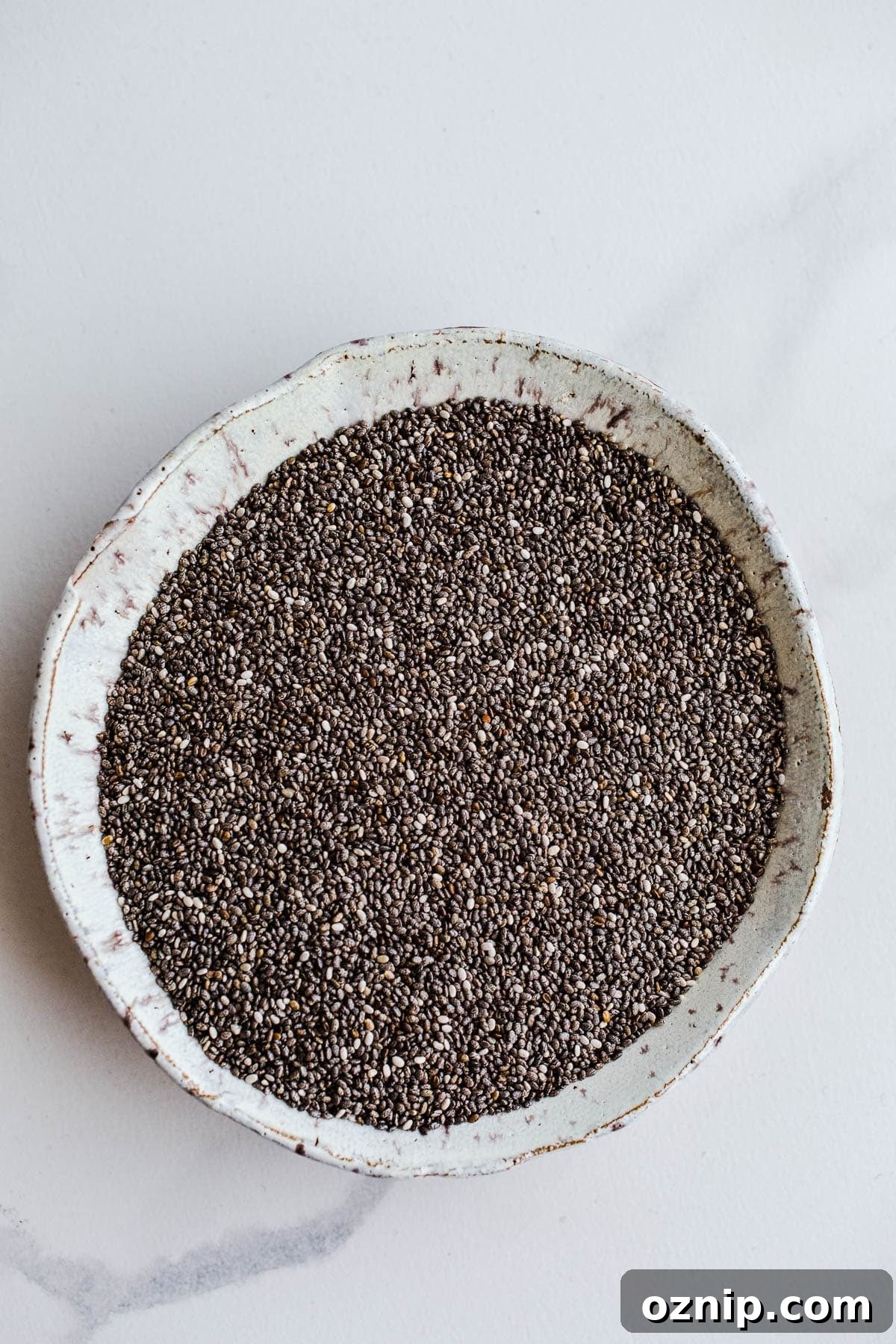
Chia seeds are commonly sold as black or white seeds. Nutritionally they are very similar, with only minor differences reported between varieties. Both provide protein, fiber, healthy fats and essential nutrients; any choice between black and white chia typically comes down to personal preference or aesthetic considerations in a recipe.
Health benefits
Chia seeds offer a concentrated mix of nutrients. A typical one-ounce serving (about two tablespoons) delivers a good amount of plant protein, several grams of fiber — much of it insoluble fiber — and a favorable balance of omega fatty acids. They also contribute B vitamins and essential amino acids. Because of their fiber and healthy fat content, chia seeds can help add satiety and nutritional value to meals when used in moderation.
Uses
Chia seeds are highly versatile and commonly used in gluten-free cooking and baking. Their ability to form a gel when mixed with water makes them an excellent egg substitute in many vegan and gluten-free recipes. Ground or whole, chia can add texture and nutrition to breads, muffins, cookies, crackers, and homemade granola bars. They can also be whisked with a milk alternative, vanilla, and a sweetener to make a simple chia pudding, or combined with oats and milk for overnight oats. Chia seeds work well in smoothies and smoothie bowls, and can be stirred into oatmeal, yogurt, or fruit-based puddings for added body and nutrients.
Helpful tips
- Brand practices change, so for the most current allergen and cross-contamination information consult the product label or the brand’s official information at the time you buy.
- If cross-contact with gluten is a concern for medical reasons, look for a clear gluten-free designation or certification on the package, and contact the manufacturer if the label does not provide enough detail.
- Ingredients that are naturally gluten-free can still be exposed to gluten during processing. If you must avoid gluten entirely, choose certified products or those that explicitly state they are processed in gluten-free facilities.