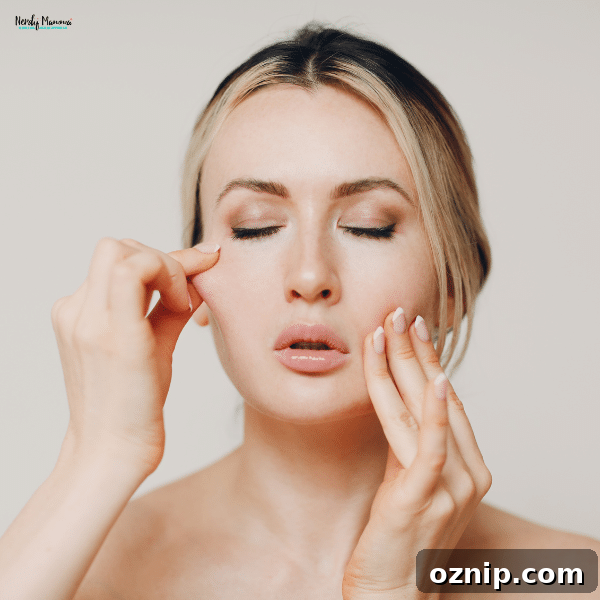
Facial exercises provide a natural, low-cost approach to slowing visible signs of aging and improving skin elasticity. These simple, targeted movements activate the facial muscles, increase local blood flow, and help tone underlying tissue for a fresher, more lifted look.
Practiced regularly, facial exercises can firm skin, soften fine lines, and refine facial contours without relying solely on topical treatments. Instead of treating the surface alone, these movements strengthen the muscles that support the skin, complementing an effective skincare routine.
When combined with consistent skincare, sun protection, good hydration, and a healthy lifestyle, facial exercises can delay the need for more invasive anti-aging procedures and contribute to a more radiant complexion over time.
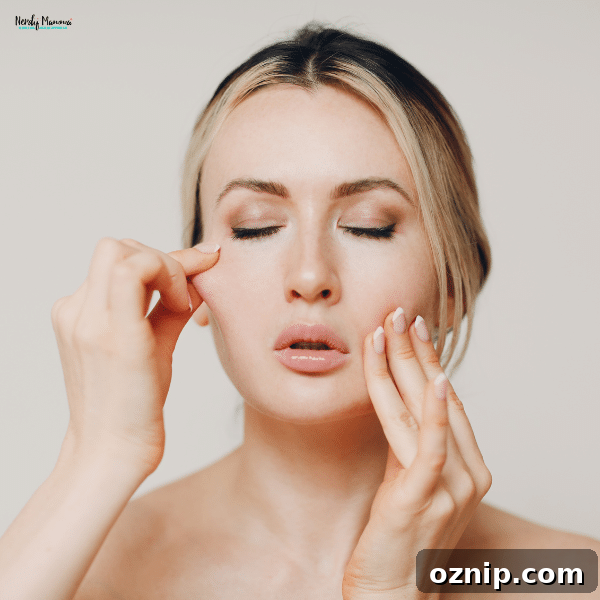
To enhance results, you can pair facial exercises with devices designed for muscle stimulation and circulation. An LED face sculptor for wrinkles, for example, combines light therapy and gentle massage to support collagen production and improve skin firmness. Used alongside exercises, such tools may help amplify lifting and toning effects when used consistently.
Patience is essential: benefits from facial exercise programs typically appear gradually, so aim for steady adherence rather than quick fixes.
Key Takeaways
- Facial exercises are a natural method to firm skin and reduce visible signs of aging
- Regular practice improves muscle tone, circulation, and skin elasticity
- Combining exercises with proper skincare and healthy habits yields the best results
Fundamentals of Facial Fitness
Facial fitness focuses on strengthening the muscles beneath the skin to support facial structure and improve overall tone. These targeted movements boost circulation, encourage collagen activity, and help maintain elasticity over time.
Anatomy of the Face and Its Muscles
The face contains more than 40 muscles that create expression and support skin structure. Key groups include the orbicularis oculi around the eyes, the zygomaticus major in the cheeks, and the platysma in the neck.
With age these muscles can lose tone, contributing to sagging and creases. Like strength training for the body, targeted facial exercises help maintain muscle tone and improve the appearance of facial contours.
Common muscle groups targeted in facial fitness routines:
- Forehead muscles
- Cheek muscles
- Jaw and neck muscles
How Facial Exercises Combat Signs of Aging
Facial exercises support a more youthful appearance through several mechanisms:
- Increasing blood circulation to nourish skin cells
- Stimulating collagen activity to improve elasticity
- Toning muscles to create a firmer, lifted look
When practiced consistently, these movements can reduce the appearance of fine lines, improve skin texture, and create fuller-looking cheeks. Many routines rely on repetition and gentle resistance to strengthen facial muscles.
Integrating Facial Exercises into Your Skincare Routine
Adding facial exercises to your daily skincare routine can amplify results. Perform exercises on clean, lightly moisturized skin to reduce friction and make movement more comfortable.
A simple pre- and post-care routine:
- Cleanse your face thoroughly
- Apply a lightweight moisturizer or facial oil as a glide
- Spend 5–15 minutes on facial exercises
- Finish with serums, sunscreen, or heavier creams as needed
Be gentle—avoid pulling or stretching the skin. Use clean hands and light pressure, and incorporate sun protection and hydration to support skin health.
Advanced Facial Toning Techniques
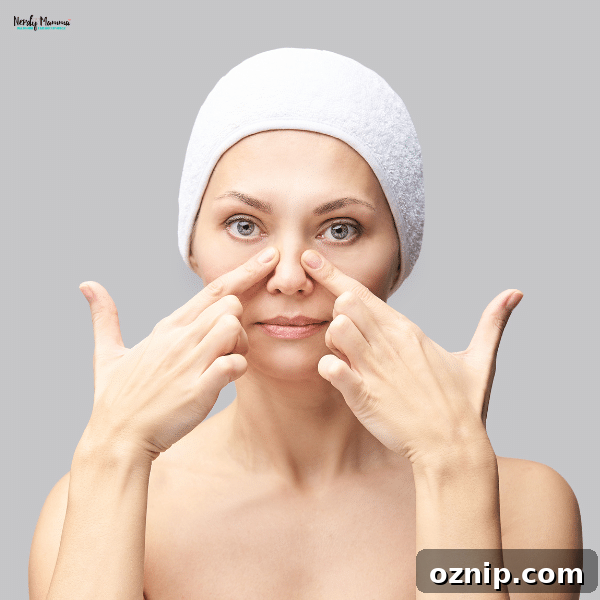
Advanced techniques focus on precision, form, and frequency to sculpt problem areas and enhance overall firmness. Proper technique and consistent practice are essential to see meaningful changes.
Targeted Exercises for Specific Areas
Examples of targeted exercises:
Cheek Lifter: Smile widely, place fingertips on the tops of the cheekbones, gently lift the skin upward and hold for five seconds. Repeat 10 times.
Eye Smoother (for crow’s feet): Place index fingers at the outer corners of the eyes and middle fingers at the inner corners, apply gentle pressure while squinting, then relax. Repeat 10 times.
Jawline Definer (for double chin): Tilt the head back, press the tongue to the roof of the mouth and swallow while keeping the jaw raised. Hold for five seconds and repeat 10 times.
Smile Smoother (for laugh lines): Smile widely, use fingertips to gently pull the corners of the mouth toward the ears, hold for five seconds and repeat 10 times.
Boosting the Benefits with Proper Form and Frequency
Maintain gentle pressure and correct alignment to avoid stretching or irritating the skin. Practicing in front of a mirror helps ensure proper technique.
A practical schedule: aim for 10–15 minutes per session, three to five times per week. Combining exercises with face-yoga breathing and lymphatic massage techniques can improve circulation and reduce puffiness.
Deep, controlled breathing during exercises increases oxygen flow to muscles and supports a healthy glow. After exercising, rehydrate and apply a moisturizer to keep the skin supple. Most people notice visible changes after about four to six weeks of regular practice.
Conclusion
Facial exercises are an accessible way to support firmer, smoother skin and enhance facial contours. While not a replacement for a comprehensive skincare plan, they work from the inside out to strengthen muscles, boost circulation, and complement other anti-aging measures. With consistent, careful practice and sensible skincare, facial fitness can be a valuable part of a long-term skin health strategy.