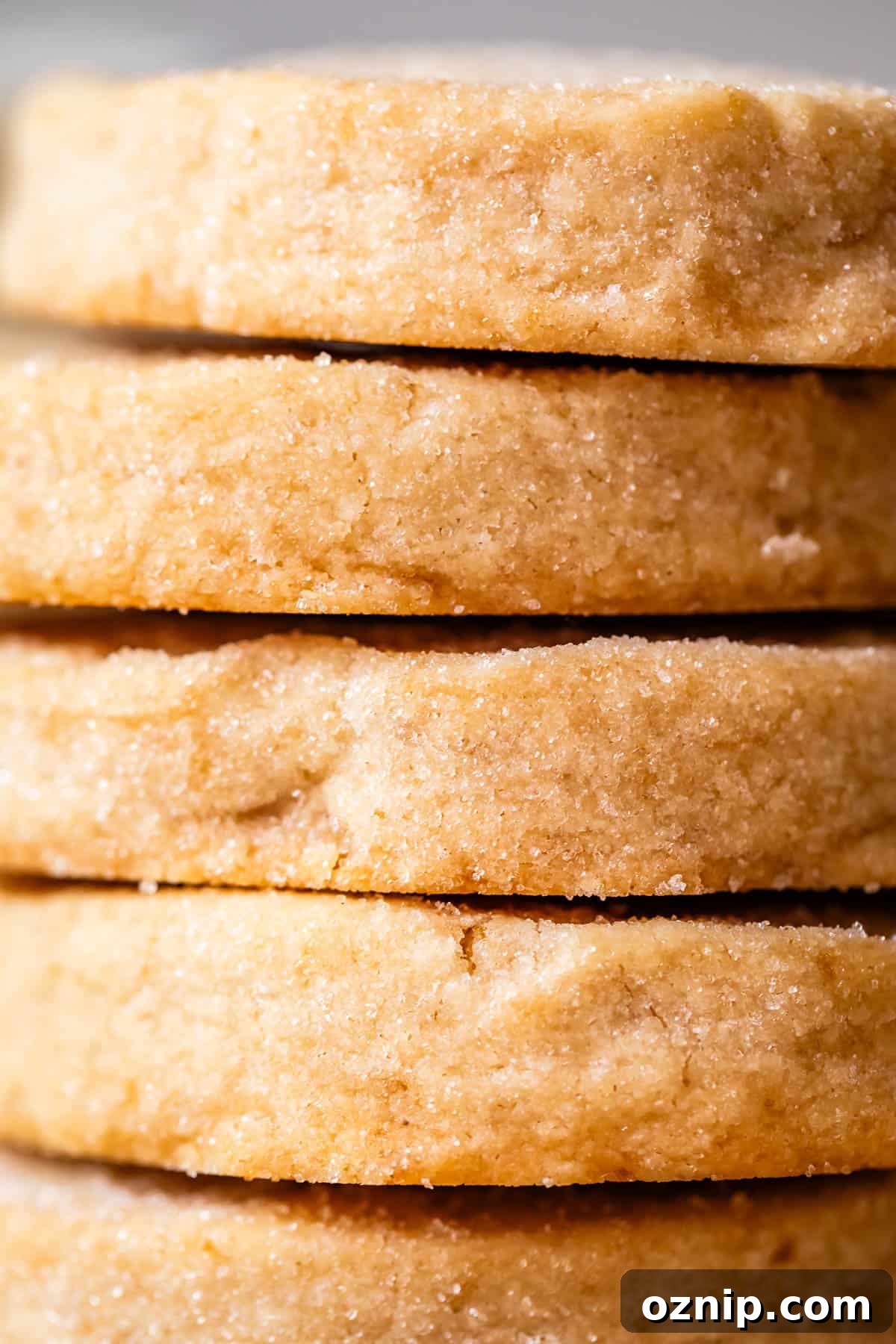
Shortbread cookies are a classic for a reason. If you think shortbread is boring, you haven’t tried a truly well-made version. Simple ingredients and careful technique produce a tender, buttery cookie that melts on the tongue. Below I share my tips for making moist, flavorful shortbread with a tender crumb and the best melt-in-your-mouth texture.
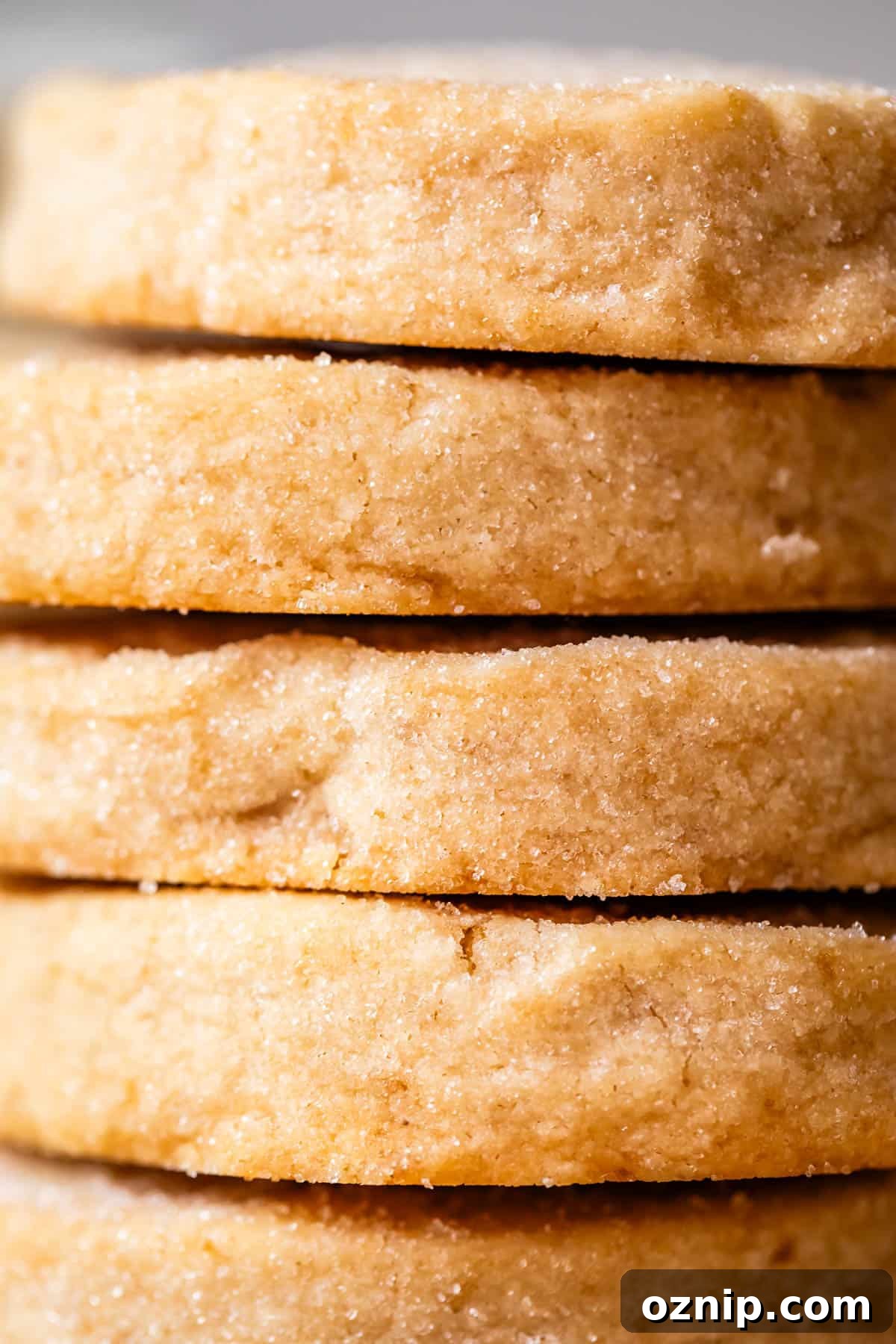
Happy January! If your holiday decorations are still lurking in corners, you’re not alone. Between wrapping gifts, baking, and family time, blog posts sometimes slide to the back burner. Shortbread didn’t make it out in December this year, but this cookie is timeless—perfect for holidays or any ordinary coffee break.
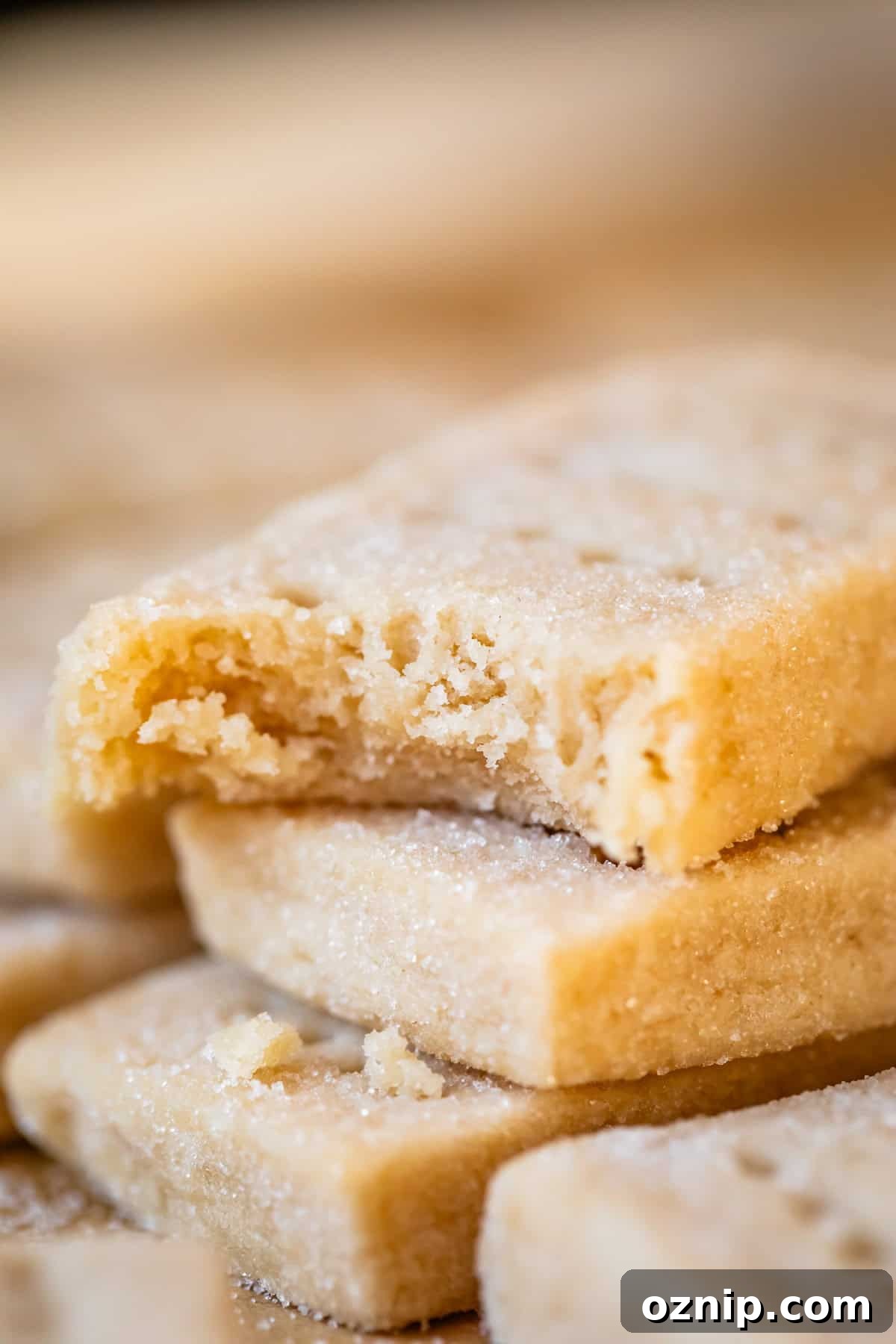
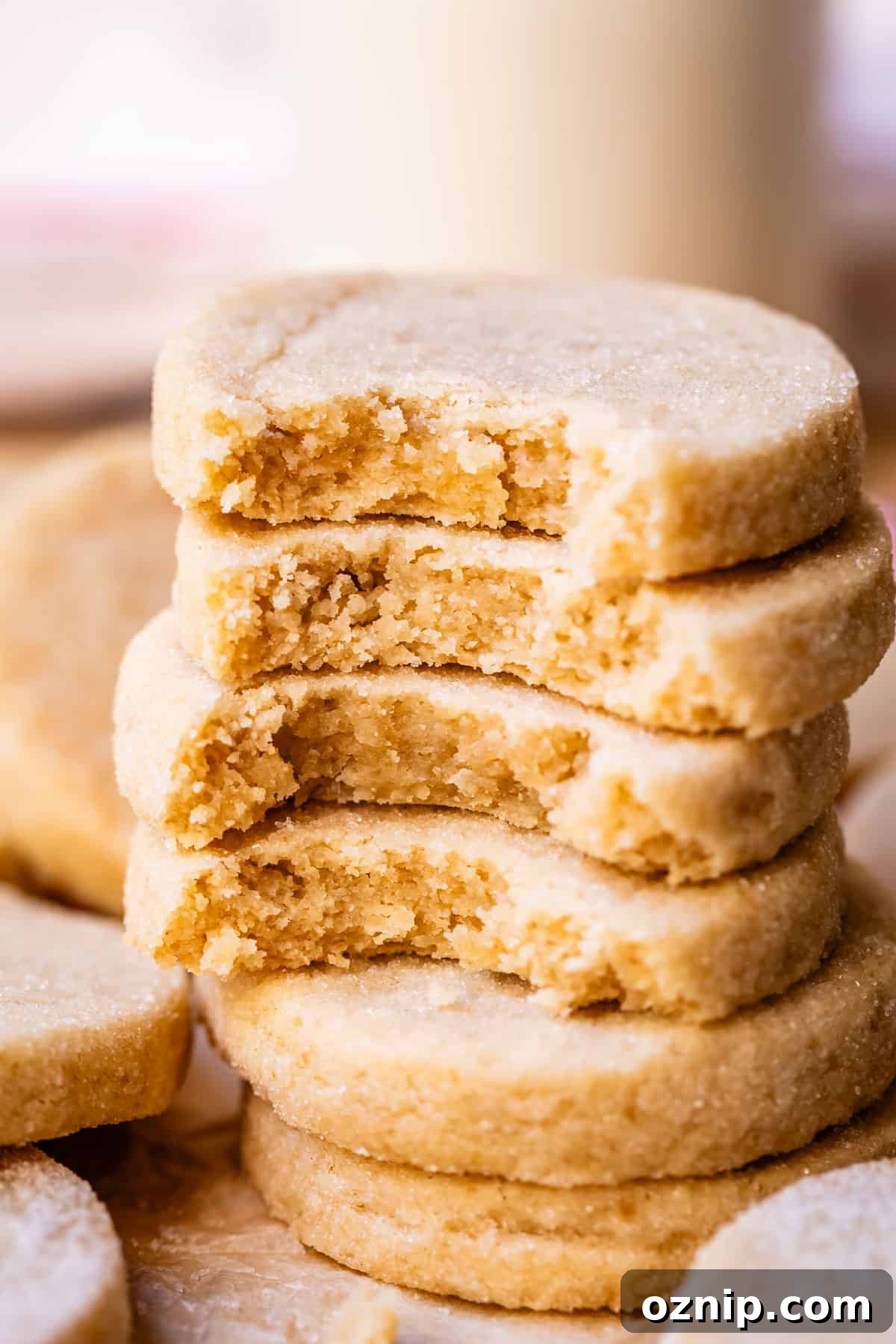
Shortbread is all about texture. It has a high butter-to-flour ratio and no eggs, which yields a delicate, crumbly cookie. When done right, the cookie shatters slightly and then dissolves on the palate. Poor shortbread is often dry—my goal is the opposite: rich, tender, and just soft enough to feel luxurious.
What is shortbread?
Shortbread is a simple cookie made primarily of butter, sugar, and flour, with a fine, tender crumb. The word “short” refers to the crumbly texture produced by the high fat content and the absence of long gluten strands. Good shortbread should feel light and fragile but remain moist in the center—never chalky or dry.
The secret to great shortbread
It comes down to ratio, ingredients, and technique. A classic guideline is 1 part sugar : 2 parts butter : 3 parts flour by weight, but small adjustments and a couple of extra ingredients can elevate the result. Use high-quality butter, measure flour properly (spoon and level), chill the dough, handle it as little as possible, and bake just until set — under-baking slightly keeps the center tender.
Rules for the best shortbread
- Use high-quality ingredients, especially butter.
- Combine powdered sugar and brown sugar for smooth texture and deeper flavor.
- Replace a small portion of flour with cornstarch to keep cookies tender.
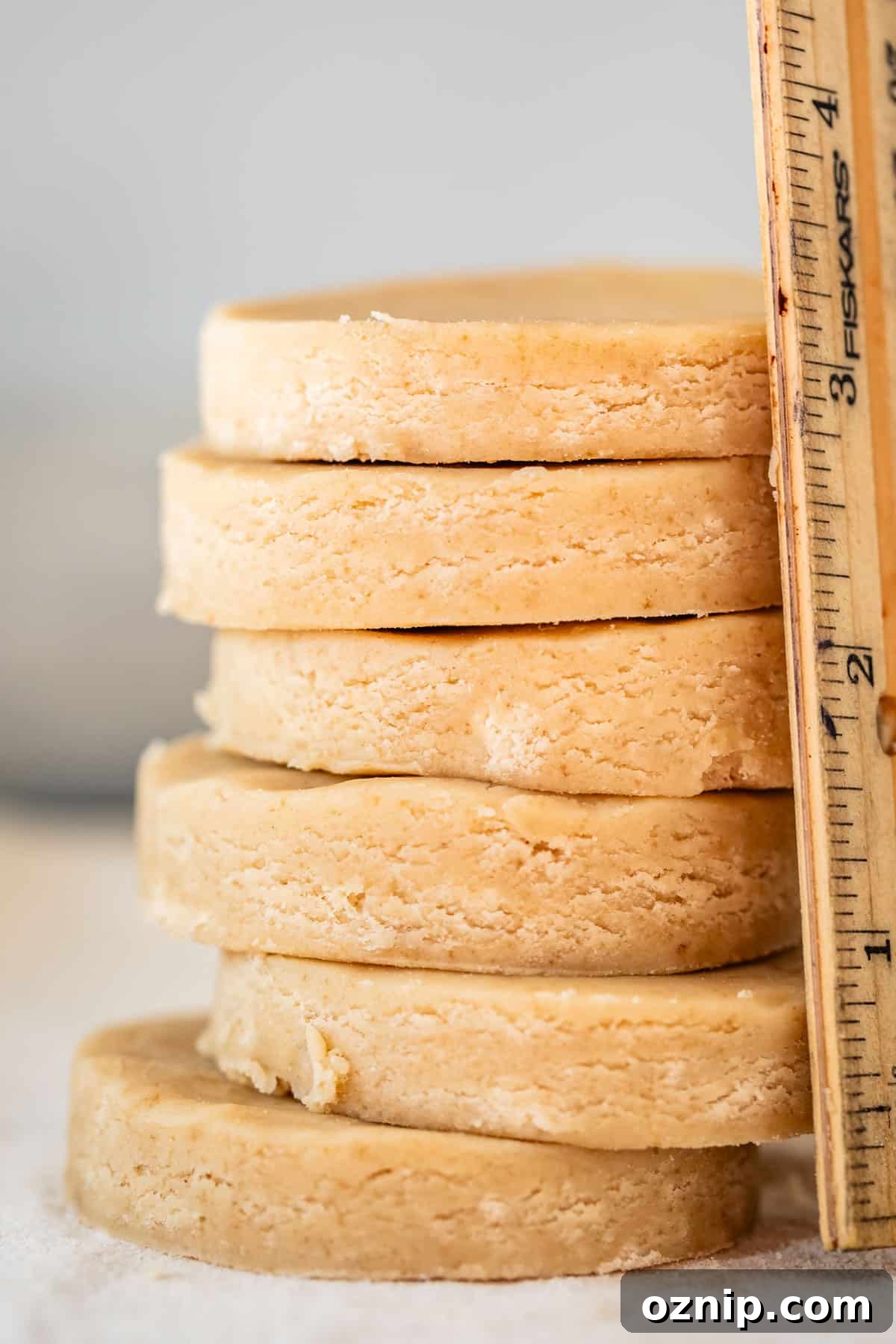
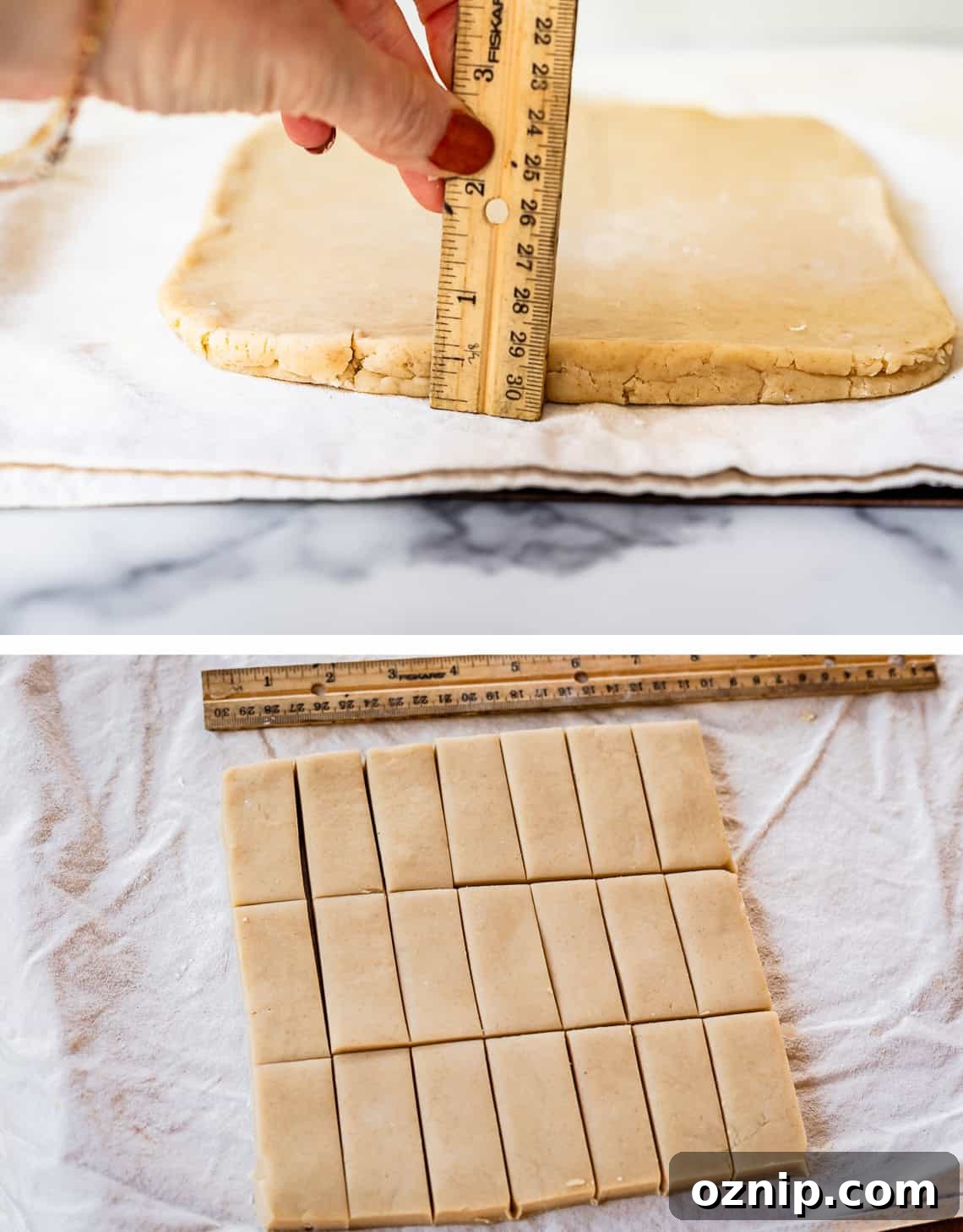
- Roll the dough relatively thick—about 3/8″ to 1/2″. Thin dough leads to dry cookies.
- Chill the dough before baking (or freeze briefly) so the butter stays cold in the oven.
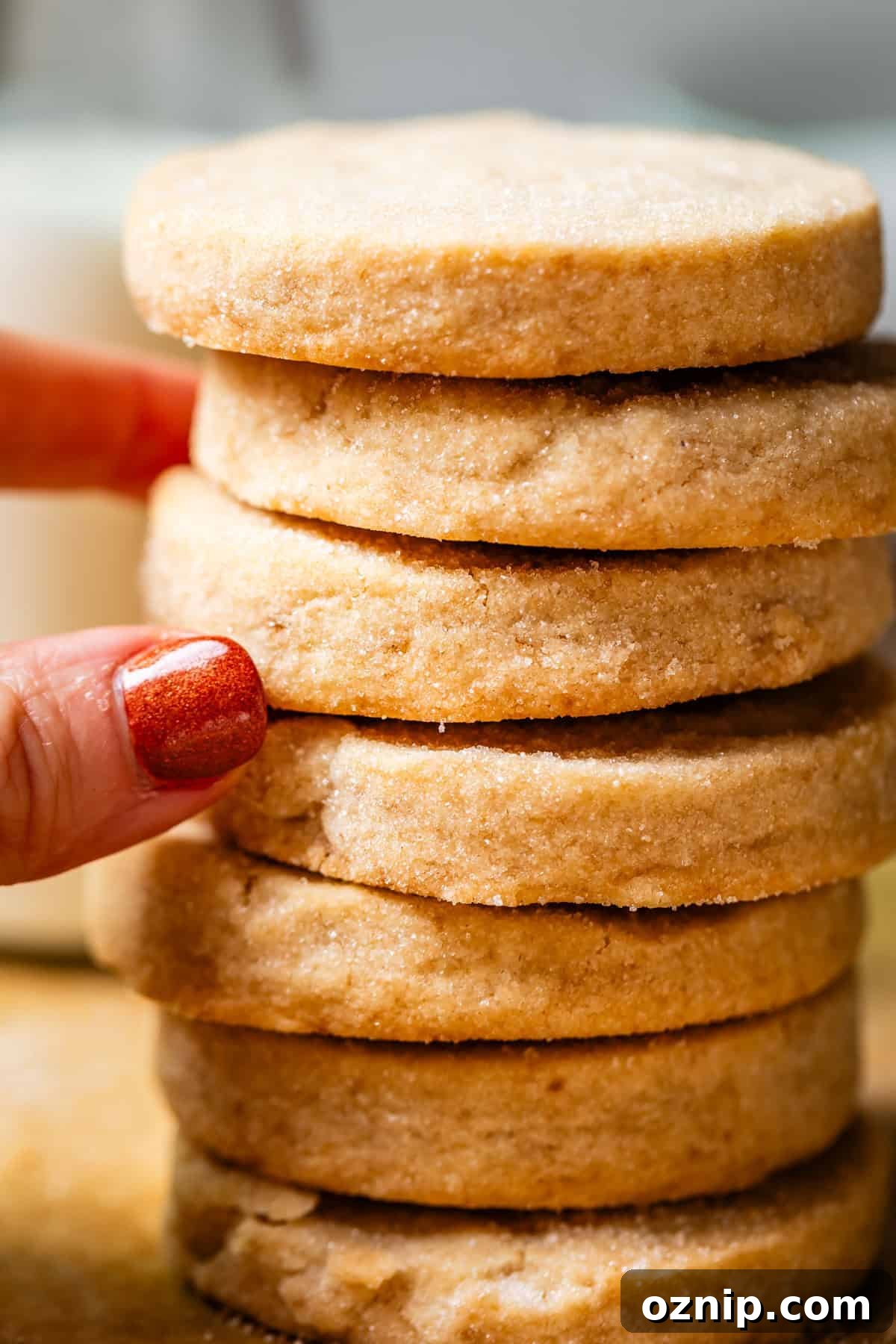
- Do not overbake. Remove before edges brown—you want moist centers.
Which sugar should you use?
Every ingredient affects the final cookie. Sugar choice changes both texture and flavor:
- Powdered sugar makes a very smooth, fine, almost melt-in-your-mouth texture.
- Granulated sugar is classic and neutral in flavor.
- Brown sugar adds molasses notes, extra moisture, and a little chew.
My favorite combination is powdered sugar for that smooth texture plus a bit of dark brown sugar for flavor and chew—the best of both worlds.
Ingredients
Because the ingredient list is short, quality matters. The amounts below make about 20 cookies.
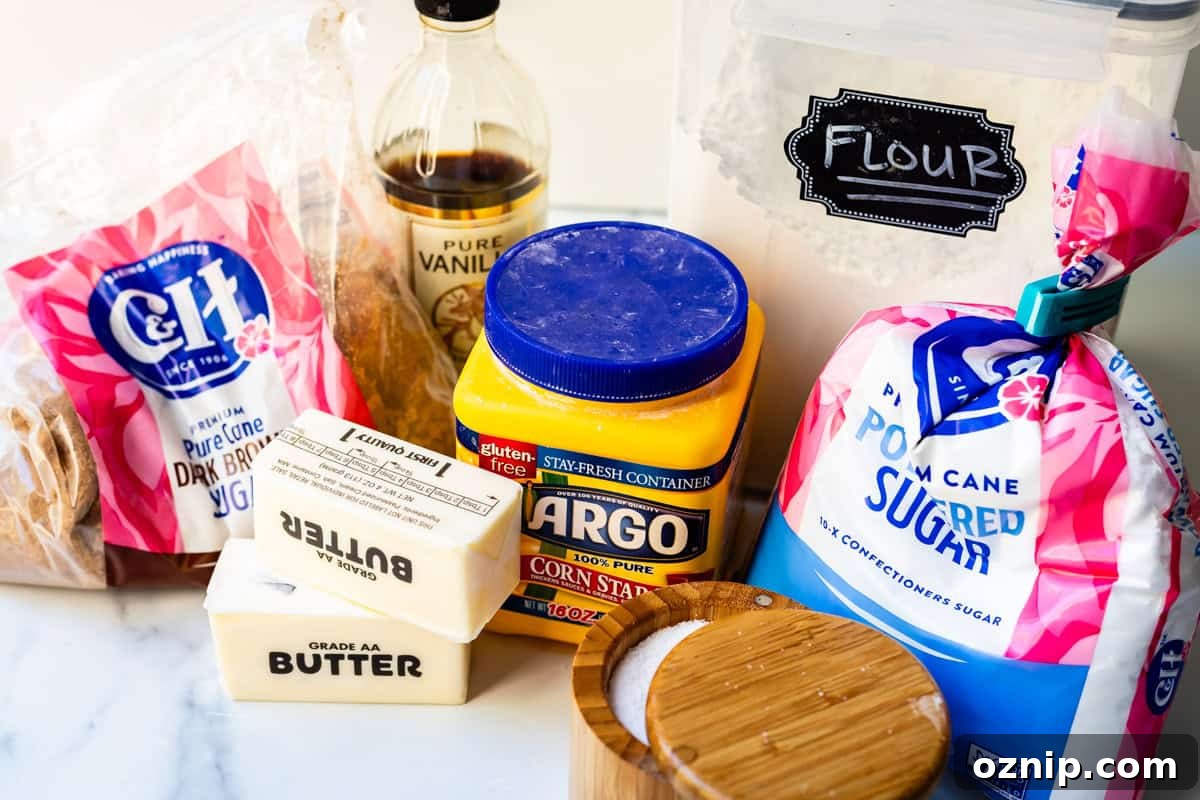
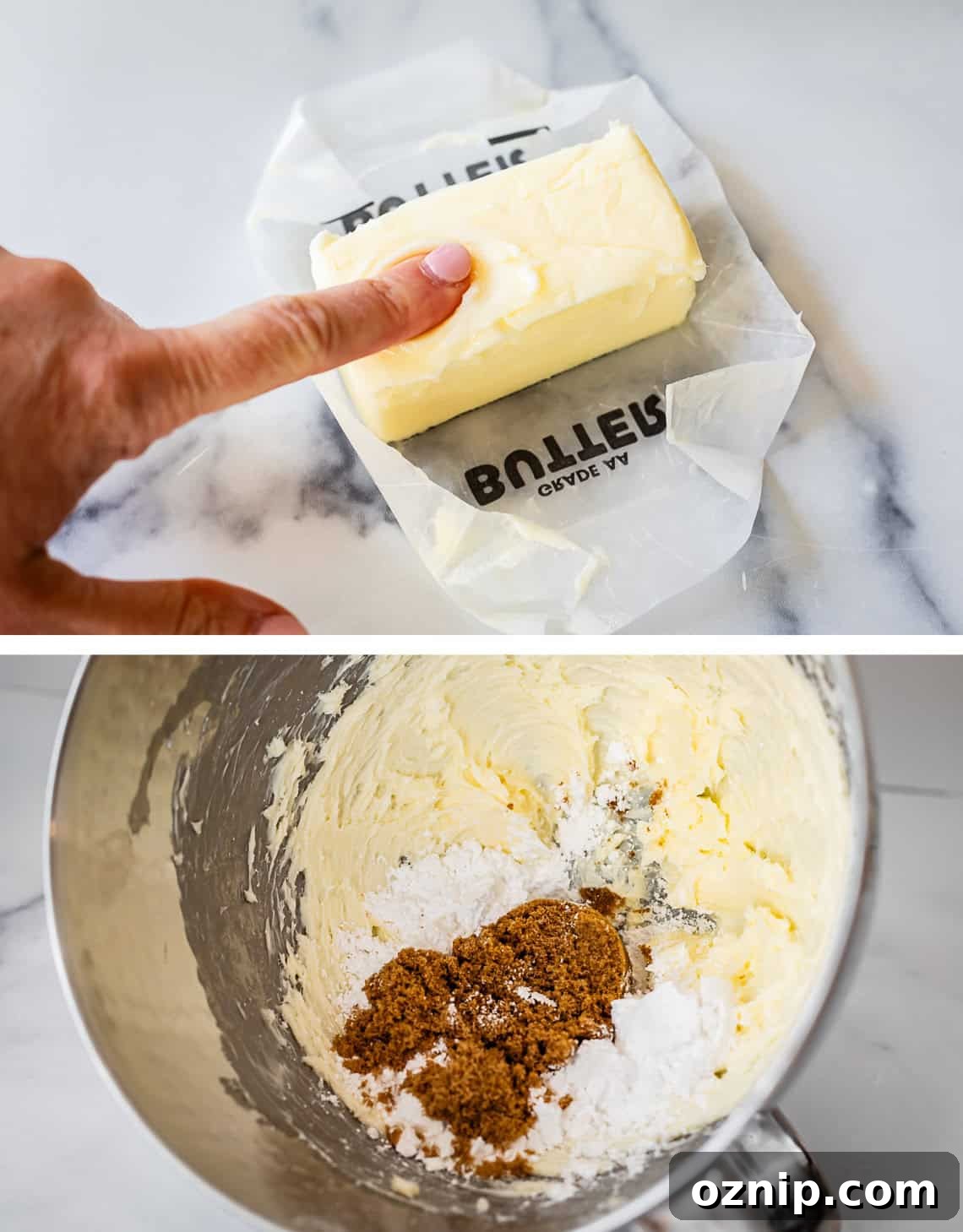
- 1 cup butter, slightly softened but still firm
- 1/4 cup packed dark brown sugar (or substitute with more powdered sugar)
- 6 tablespoons powdered sugar
- 1 1/2 teaspoons vanilla extract
- 1 3/4 cup + 2 tablespoons all-purpose flour
- 2 tablespoons cornstarch
- 3/4 teaspoon kosher salt
- Granulated sugar for rolling (optional)
How to make shortbread cookies
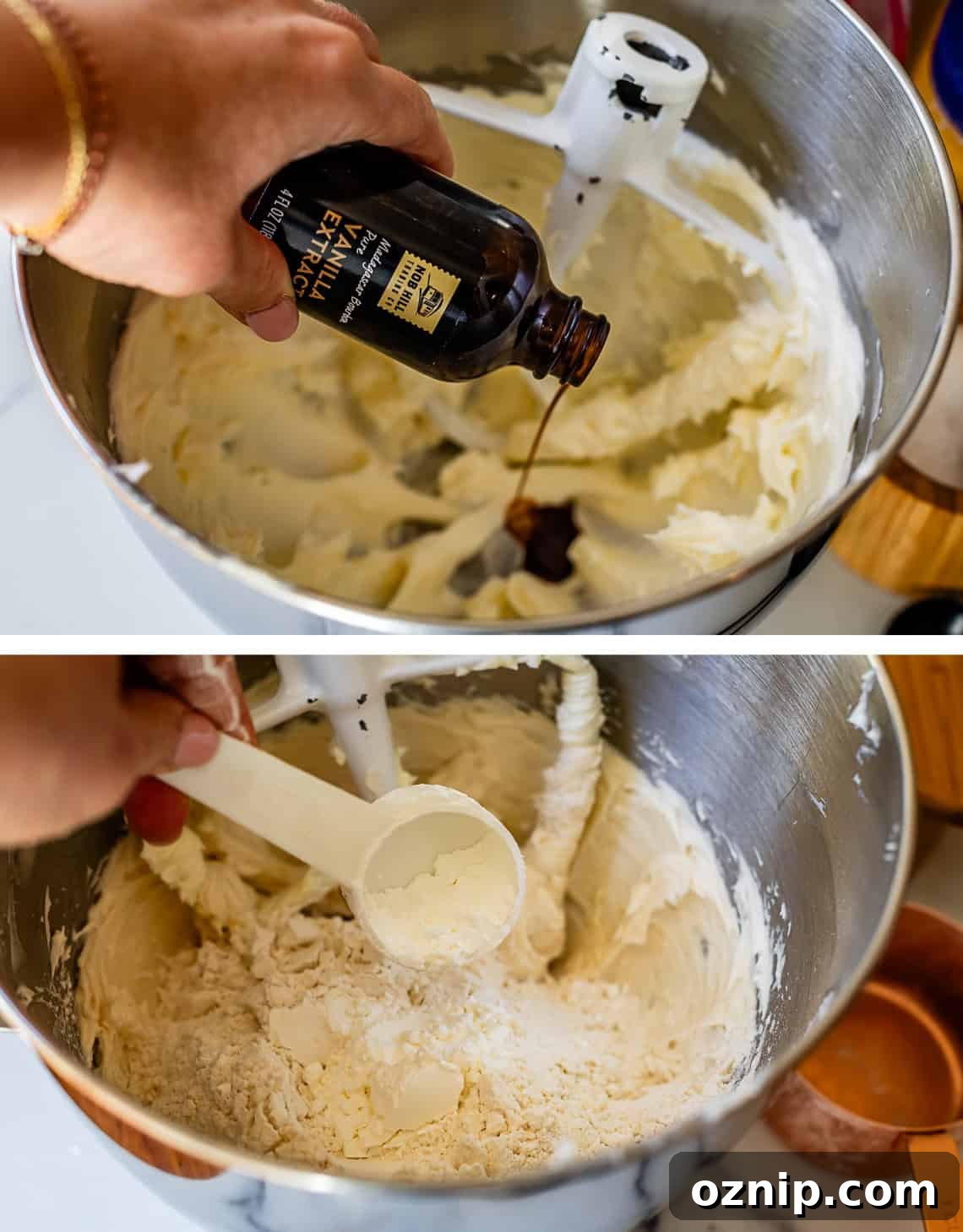
1. Cream the butter until smooth, then beat in the brown sugar, powdered sugar, and vanilla until light and fluffy.
2. Add the flour (use the spoon-and-level method), cornstarch, and salt. Mix only until the dough just comes together—don’t overwork it.
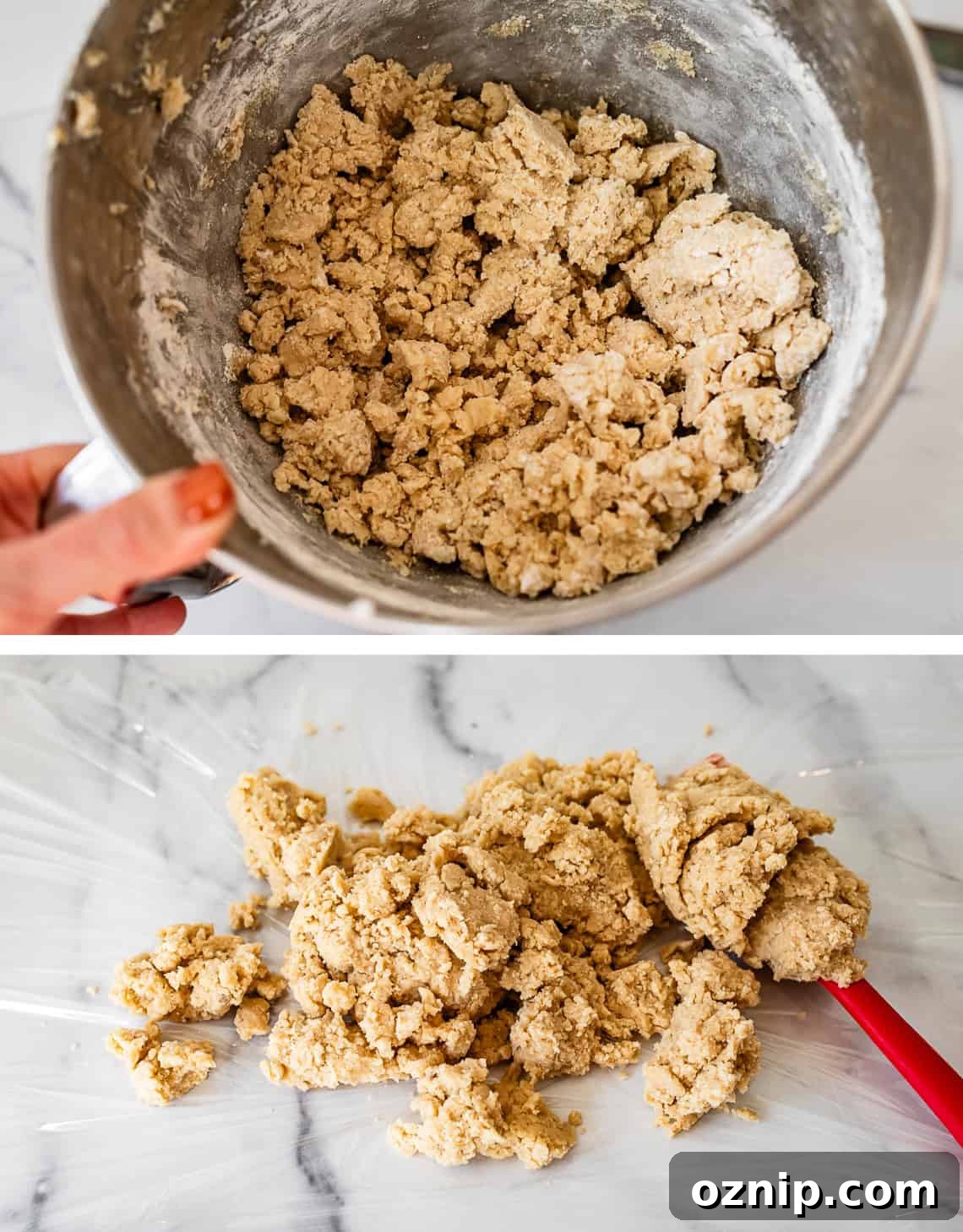
3. Gather the dough on plastic wrap, press into a flat square, wrap tight, and chill 30–45 minutes.
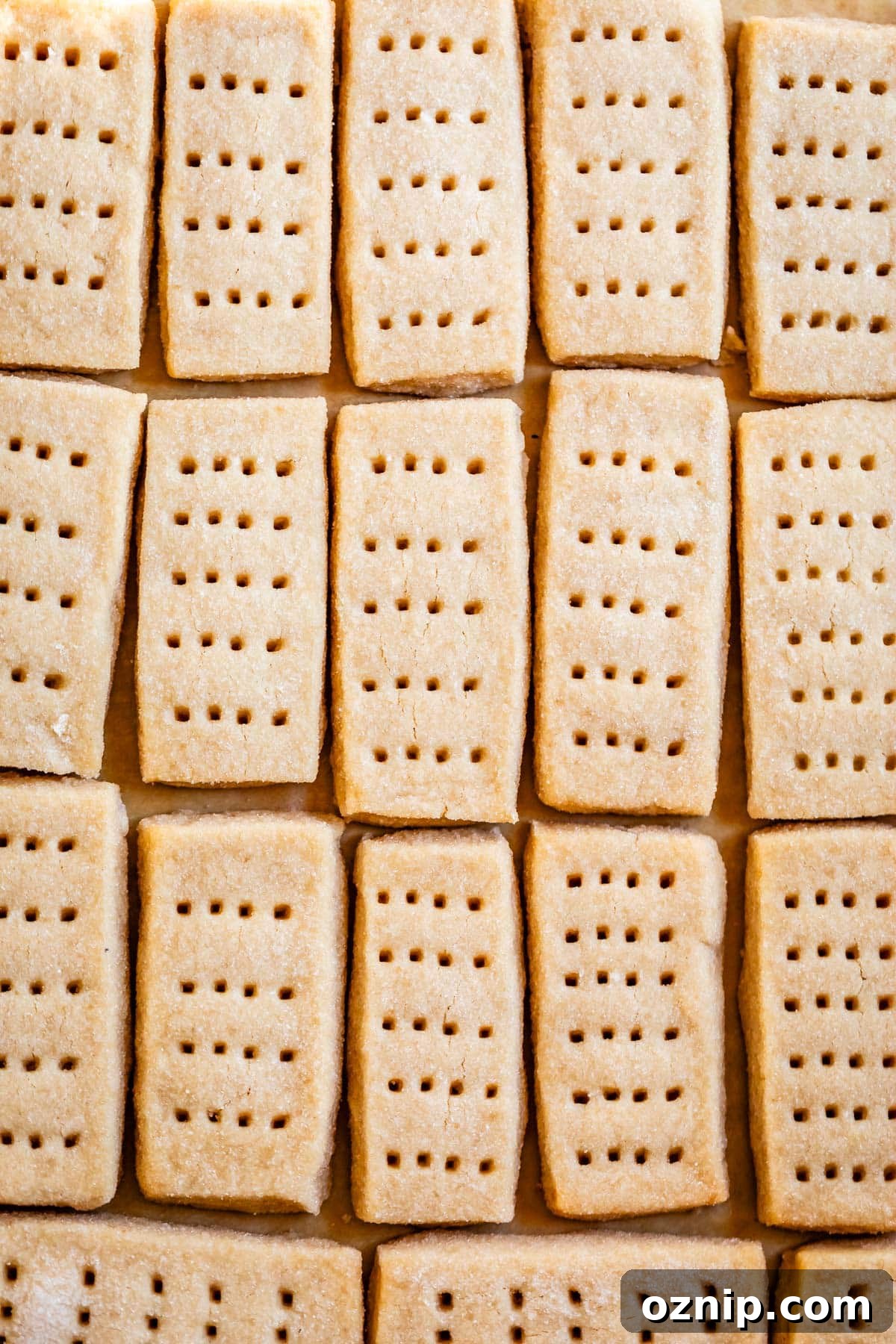
4. Roll the dough on a lightly floured surface to 3/8″–1/2″ thickness. Cut into rounds or “fingers” (about 1×3 inches). Optionally roll pieces in granulated sugar for sparkle.
5. Arrange cookies on a parchment-lined sheet and freeze the entire pan for about 15 minutes (or chill in the fridge about 40–50 minutes). Cold dough into a hot oven preserves the texture.
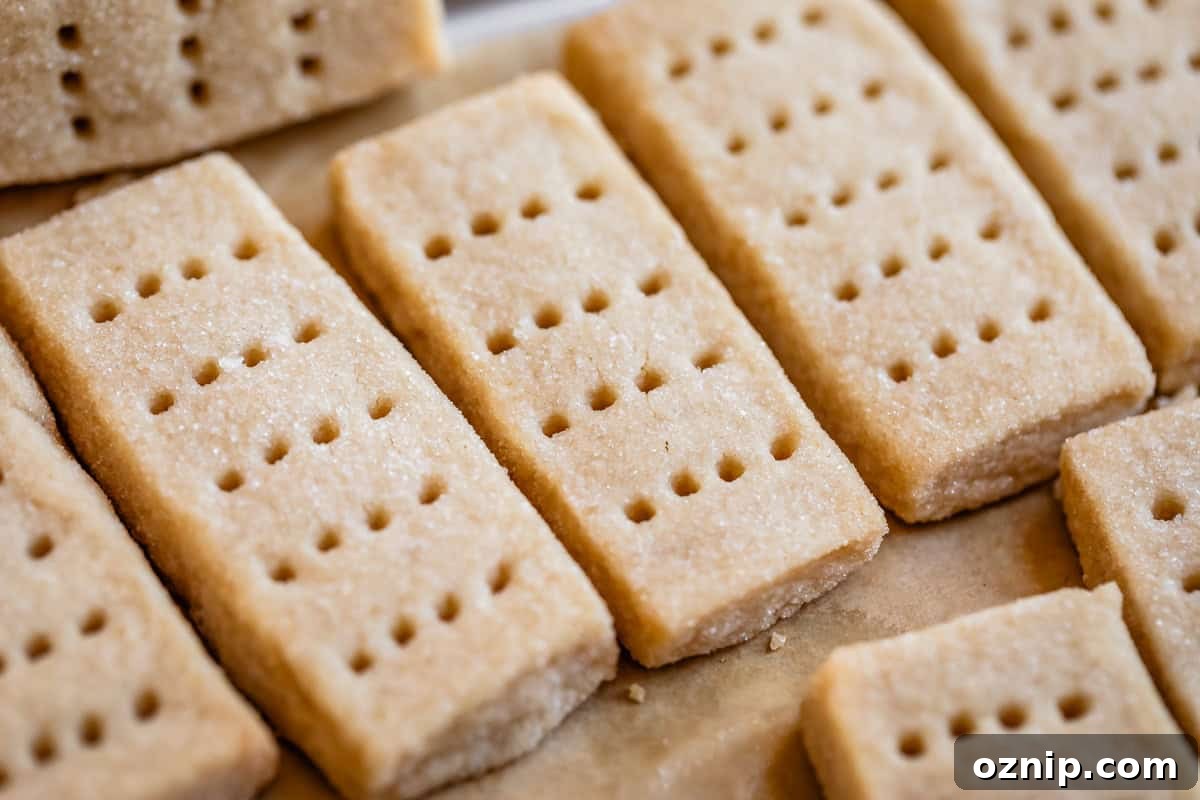
6. Bake at 350°F. After about 11 minutes, quickly remove the pan, tap or press the edges gently to neaten, then return to bake another 2–3 minutes. Total bake time is roughly 13–14 minutes for 2″ rounds or 3″ fingers. Remove before the edges brown—the top should look matte, not shiny.
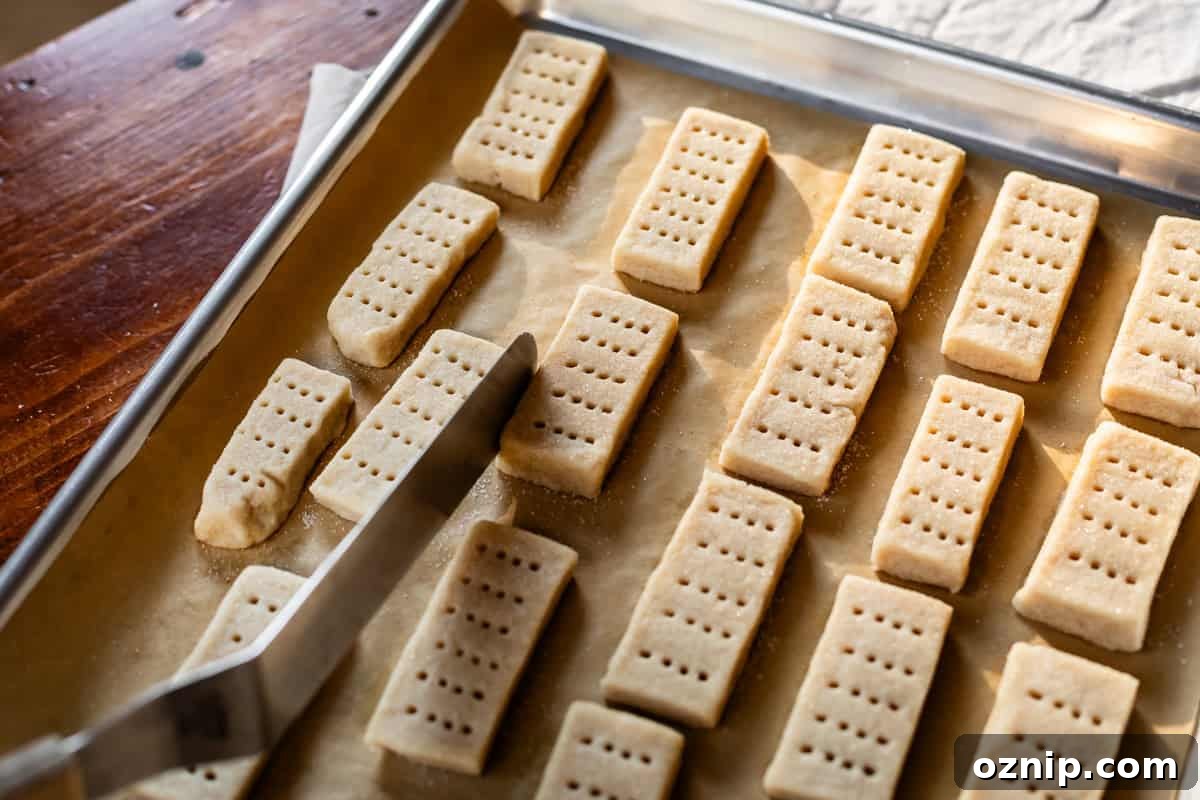
7. Cool on the pan 5 minutes, then transfer to a rack to finish cooling. Warm from the oven is irresistible—try one with a glass of milk.
Storage and freezing
Store cooled cookies in an airtight container at room temperature for 7–10 days. Don’t refrigerate them, or they will dry out faster.
Freezing options:
- Frozen baked cookies: flash-freeze on a sheet for 30 minutes, then transfer to a freezer bag. Use within about a month. Thaw on a rack or warm briefly in the oven.
- Frozen unbaked cookies: shape and flash-freeze on a sheet, then store in a zip bag for 1–3 months. Bake from frozen, adding a minute or two to the bake time.
Shortbread FAQs
Why is it called shortbread? The term “short” refers to the crumbly texture produced by a high fat-to-flour ratio. The cookies lack long gluten strands, so they break or “shorten” easily.
Common mistakes: Using low-quality ingredients, overworking the dough, skipping chilling, and overbaking are the most frequent problems. Follow the rules above for the best results.
Scottish shortbread vs. regular shortbread: They’re essentially the same—shortbread originated in Scotland and is known for that buttery, crumbly texture.
Butter cookies vs. shortbread: Butter cookies typically have a different ratio (more sugar, less butter) and often are piped rather than rolled and cut. Shortbread is richer in butter and more crumbly in texture.
More cookie ideas
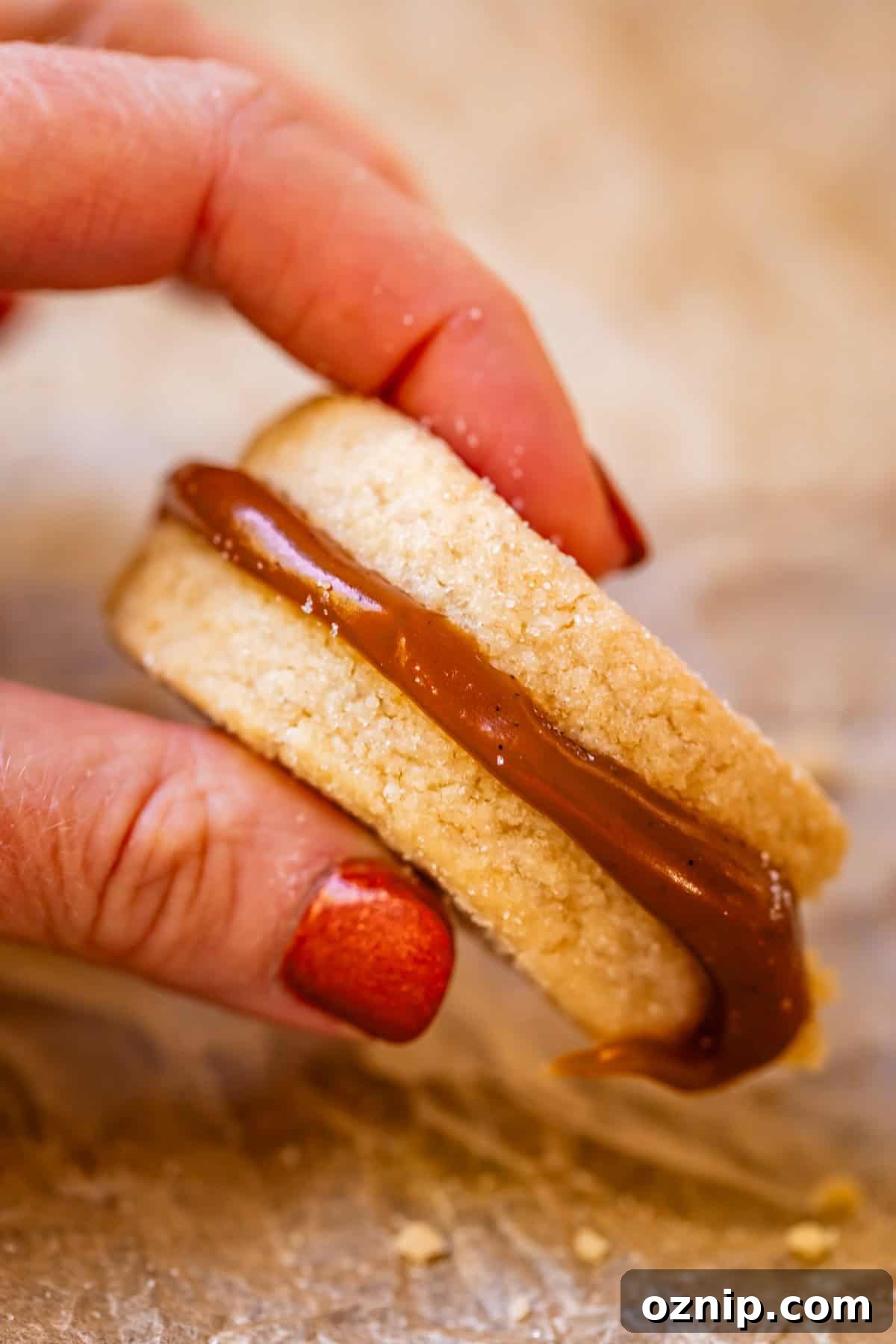
If you love cookies, try pairing shortbread with soft caramel between two cookies for a simple sandwich, or explore other favorites in your collection—chewy chocolate chip, snickerdoodles, and thumbprints all complement shortbread well.
Shortbread Cookies
Prep: 5 mins · Cook: 13 mins · Chill time: 35 mins · Total: 53 mins · Makes about 20 cookies
Ingredients
- 1 cup butter, slightly softened but still firm
- 1/4 cup packed dark brown sugar (or substitute additional powdered sugar)
- 6 tablespoons powdered sugar
- 1 1/2 teaspoons vanilla extract
- 1 3/4 cup + 2 tablespoons all-purpose flour
- 2 tablespoons cornstarch
- 3/4 teaspoon kosher salt
- Granulated sugar for rolling (optional)
Instructions
- Cream the butter, then beat in the brown sugar, powdered sugar, and vanilla until light and fluffy.
- Spoon and level the flour into your measuring cup. Add flour, cornstarch, and salt to the butter mixture and mix only until the dough just comes together.
- Wrap the dough in plastic and chill 30–45 minutes until firm.
- Roll the dough 3/8″–1/2″ thick. Cut into rounds or fingers, and optionally roll in granulated sugar.
- Place on a parchment-lined sheet and freeze 15 minutes (or chill 40–50 minutes).
- Bake at 350°F. After about 11 minutes, remove briefly to press the edges, then bake another 2–3 minutes. Total time ~13–14 minutes. Remove before edges brown.
- Cool 5 minutes on the pan, then transfer to a rack to finish cooling.
Notes
Butter: I use salted butter, but unsalted works if you prefer. Brown sugar adds molasses depth; use all powdered sugar for an even smoother melt-in-your-mouth result. If using table salt instead of kosher salt, reduce the amount.
Nutrition (per cookie)
Calories: 105 · Carbs: 6 g · Fat: 9 g · Protein: 0.1 g