Are visions of home-canned jars filling your thoughts as winter lingers? Fortunately, the season for pickles, jams, and preserves will be here before you know it. Now is the perfect time to refresh your canning skills, organize equipment, and prepare your pantry. Below is a concise, practical roundup of resources and reminders to help you start the season confidently and safely.
If you’ve ever stared at a recipe that calls for quarts when you only want to make pints, the math can feel frustrating. A few simple conversion tools and a little practice will make scaling recipes straightforward and quick. Look for kitchen math worksheets or audio guides that walk through common canning conversions so you can adapt recipes without stress. Learning basic volume and weight conversions pays off every time you prepare a new batch of preserves.
If you’re new to home canning or want to tighten up your technique, reputable, research-based guidance is essential. National extension programs and university resources offer self-study materials that cover safe preserving methods, step-by-step procedures, and troubleshooting tips. Following these trusted recommendations helps ensure consistent results and reduces food-safety risks.
A clear, methodical water-bath canning tutorial is one of the most useful references you can have on hand. A good tutorial breaks down preparation, processing times, headspace, jar sterilization, and how to test seals. Keep a printed copy or a saved PDF near your canning station so you can reference it while you work. Routines become faster and more reliable when you follow a proven sequence each time you jar fruit spreads, pickled vegetables, or sweet preserves.
Thinking about equipment upgrades? There are some nice innovations in jar design and canning accessories that can streamline the process. New jar colors, specialty jar shapes, and improved jar lifters, funnels, and magnetic lid lifters can make canning more enjoyable. When choosing new tools, prioritize quality and safety: choose heat-safe utensils and well-fitting lids designed for home food preservation.
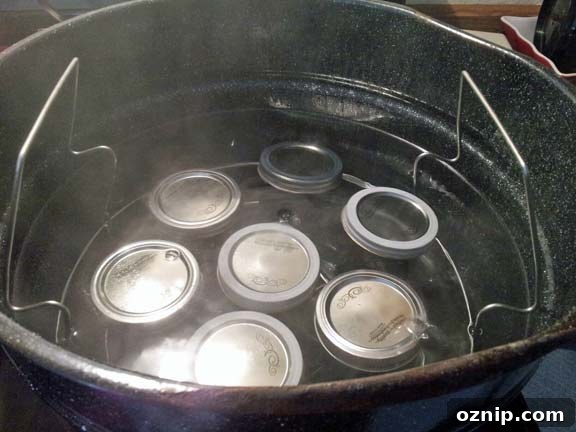
Before you invest in new gear, make an inventory of the items you already own and identify what you truly need. Essential pieces for water-bath canning include a deep, wide pot with a fitted rack or an elevated surface for jars, reliable lids and bands, jar lifter, funnel, bubble remover/headspace tool, and a timer. A dedicated canning rack that keeps jars off the bottom of the pot will help ensure even processing and discourage breakage. If you don’t already have these basics, assemble them before the season begins so you’re ready when the produce is ripe.
Food safety is the most important part of home preserving. Botulism is a serious concern in improperly processed low-acid foods, so familiarize yourself with safe-acidity recipes, proper processing times, and the difference between water-bath canning and pressure canning. Follow trusted guidelines for acidity and processing time—never improvise with untested recipes or inadequate processing. Always inspect jars and lids before use, and discard any jars with damaged threads or dents.
Preparing for the season also means planning: stock up on jars and lids, label supplies, and create a simple workflow for washing, filling, processing, and cooling. Keep a canning journal to record recipes, processing times, any modifications, and results—this makes it easier to repeat successes and avoid past mistakes. Record details like fruit variety, sugar level, batch size, altitude adjustments, and impressions of flavor and texture.
In addition to guides and checklists, practical tips help speed setup and cleanup. Wash jars the night before and let them air dry on a rack. Keep a designated workspace cleared and near the stove. Arrange equipment in the order you’ll use it: clean jars and lids, filled jars on a tray, tools at hand, and cooling area prepared. Small conveniences—like a large bowl for discarded peels or a towel for quick drips—save time and keep the kitchen tidy.
Finally, start the season on the right foot by building confidence: practice with high-acid recipes like jams and pickles before moving to more technically demanding preserves. Download or print a concise primer that covers the essentials of safe home canning, and consider keeping a short checklist nearby during processing. With the right preparation, reliable resources, and attention to safety, you’ll fill your pantry with beautiful, shelf-stable jars and enjoy the rewards of preserved seasonal produce all year long.