If you’re searching for help baking gluten free cookies, you’re in good company. Gluten free cookies can go wrong in many ways — spreading too much, ending up too thin, too crispy, too cakey, too crumbly, or too dry. The good news is there are reliable fixes for each of these problems. Here are 17 practical gluten free cookie baking tips to help you achieve soft, chewy, dependable cookies every time.
If you need cookies that are also dairy-free, note that many gluten free recipes can be made with dairy-free butter alternatives or solid plant-based shortenings. If you must avoid eggs, using an egg replacer can actually reduce spreading in some gluten free cookie recipes.
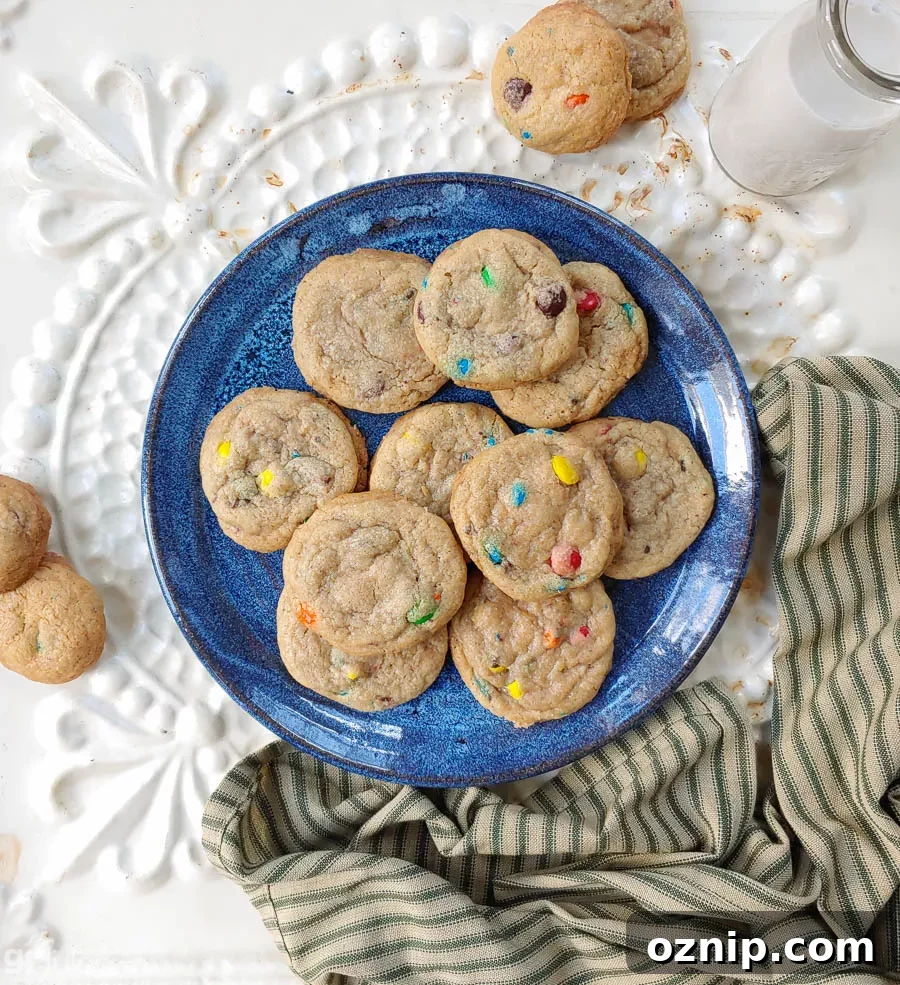
Keep these tips nearby the next time you bake and you’ll be much closer to consistent gluten free cookie success.
17 Gluten Free Cookie Baking Tips
1- Make sure your ingredients are the right temperature.
Follow the recipe directions for ingredient temperatures. If none are specified, a good rule of thumb is to use room temperature ingredients — about 70°F (20°C). For cookies, the temperature of butter has a big impact on texture:
- Room temperature butter (slightly soft): soft, fluffy cookies
- Soft butter: softer cookies with more spread
- Melted or browned butter: chewy, flatter cookies with crisp edges
- Cold butter: thicker, firmer, less spreading cookies
2- Cream the room temperature butter or shortening with the sugar first.
Creaming incorporates air into the fat and helps break down the sugar so it melts less while baking. This step improves texture and limits excessive spread. Unless a recipe specifies melted butter, use butter that is soft but still slightly firm.
3- Bake with a combination of fats.
A blend of butter (or a non-dairy butter substitute) and shortening or a neutral oil can give gluten free cookie dough more body and reduce spreading compared to butter alone. Shortening helps cookies hold their shape while butter contributes flavor. If you use a dairy-free stick-style spread, avoid spreadable tubs for cookie dough because their higher water content increases spread.
4- Always line baking sheets with parchment paper unless the recipe says otherwise.
Parchment promotes even baking, prevents sticking and tearing, reduces greasy bottoms, and makes cleanup much easier.
5- Chill your dough when appropriate.
Chilling dough is helpful in warm kitchens, when you’ve used browned or warmed butter, or when rolling cut-out doughs. Chilling reduces stickiness, firms up fats, and can improve flavor development. However, if you prefer softer, chewier cookies and your dough recipe suggests it, avoid chilling — chilled dough tends to bake up thicker and less spread.
6- How to make cookies less thin.
If cookies are coming out too thin and crispy: use soft (not melted) butter, avoid chilling the dough, shorten the bake time, or try increasing oven temperature slightly (watch carefully). Replacing some granulated sugar with brown sugar or adding an extra egg yolk will also add moisture and chew.
7- Fix crumbly dough.
Dry, crumbly dough can usually be rescued by stirring in a few tablespoons of milk or a whole egg until the dough just holds together. If dough has dried from refrigeration or freezing, bring it to room temperature and mix in a splash of liquid to restore pliability.
8- Bake by weight.
Measuring ingredients by weight is far more accurate than volume. Inconsistent measuring can cause major differences in texture and spread. A kitchen scale is an inexpensive tool that makes cookie baking much more reliable.
9- Don’t overload cookies with mix-ins.
Too many add-ins like chocolate chips, nuts, or dried fruit can prevent dough from providing enough structure, which can cause uneven spread and texture. If you want a lot of mix-ins, reduce their volume or increase the dough portion slightly.
10- Add extra gluten free flour if cookies spread too much.
If cookies keep spreading, add about 1/4 cup extra gluten free all-purpose flour to the remaining dough. This increases the dry structure and can reduce spread; it’s especially helpful at high altitudes.
11- Make sure baking soda and baking powder are fresh.
Leavening agents lose potency over time. If they are old, cookies may not set properly and can spread more. Replace baking soda or powder if containers have been open for longer than a few months.
12- Let cookies cool before removing from the parchment.
Allow cookies to rest on the baking sheet lined with parchment for several minutes, then transfer the sheet to a wire rack to cool. This resting time lets cookies set so they won’t tear or fall apart during transfer.
13- Use convection if available.
If your oven has a convection (fan) setting, it often bakes more evenly. Reduce the recipe temperature by about 25°F when using convection and watch baking time closely to avoid overbaking.
14- Reduce oven temperature if needed.
Many ovens run hotter than their dials indicate. If your cookies are spreading or developing lacy, caramelized edges, try lowering the oven temperature by 25°F and rotate pans halfway through baking to encourage even browning.
15- Take cookies out before they look fully done.
Remove cookies when centers appear slightly underbaked; they will finish setting as they cool. This technique helps preserve a chewy texture rather than ending up dry and overcooked.
16- Use a reliable gluten free cookie mix when you want predictable results.
Prepared gluten free mixes designed for cookies can save time and reduce variables, delivering consistent results. They’re a convenient option when you want dependable texture and flavor with minimal fuss.
17- How to store gluten free cookies.
You can store cookie dough or baked cookies in the freezer. To freeze dough, portion balls onto a parchment-lined tray, freeze until solid, then transfer to a freezer bag. To bake from frozen, lower oven temperature by about 15°F and add a couple of minutes to the bake time. To freeze baked cookies, cool completely, freeze on a tray, then transfer to a sealed bag for up to three months. Many gluten free cookies stay fresh up to a week at room temperature in an airtight container.
♦ Want more gluten free cookie recipes?
Search recipe collections or the site search for dozens of cookie recipes including vanilla wafers, oatmeal cookies, hamantaschen, spritz cookies, snowballs, chocolate crinkles, sugar cookies, peanut butter cookies, red velvet, lemon shortbread, and more. These recipes provide a wide range of textures and techniques for every occasion.