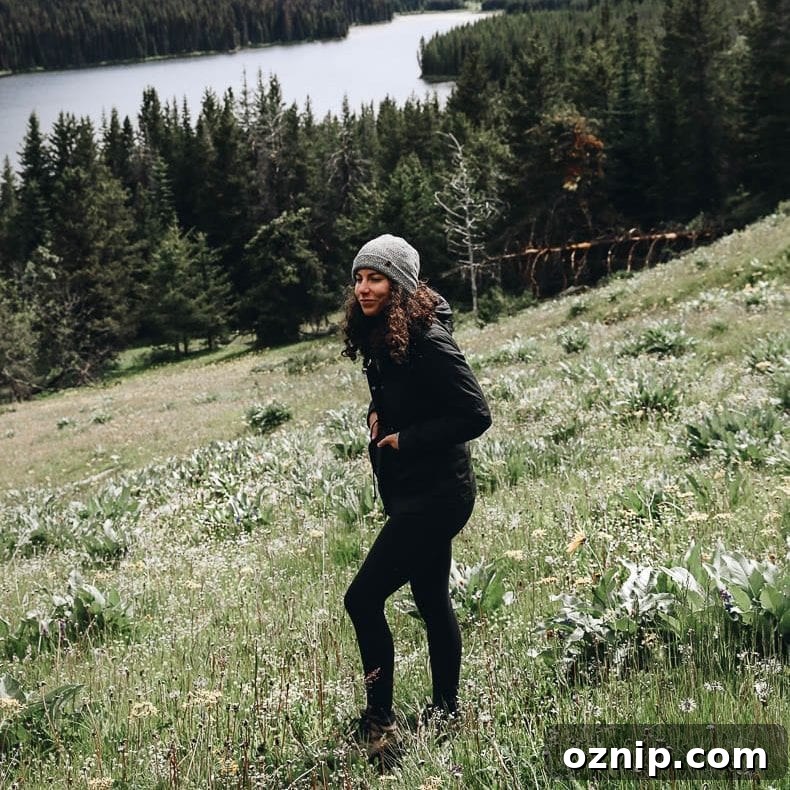
As I posted snapshots from my recent trip to British Columbia on Instagram, the most common question I received was “Where are you?”. Fair question. When I first landed in Vancouver I genuinely thought we were heading to Eastern British Columbia—turns out we weren’t. This trip took me well off the usual tourist routes and into the heart of the Cariboo Chilcotin Coast and the historic Gold Rush Trail.
So how did I end up spending a week exploring the Cariboo Gold Rush Trail in central BC? It started with a simple invite from a friend who runs a travel content business based in Vancouver and works with the Cariboo Chilcotin Coast Travel Association. I said yes, packed light, and prepared for a trip that mixed long, intense days with unforgettable experiences. What follows is an approachable travel guide to the region, highlights from my journey, and suggestions if you want to explore the Cariboo Chilcotin Coast and the Gold Rush Trail yourself.
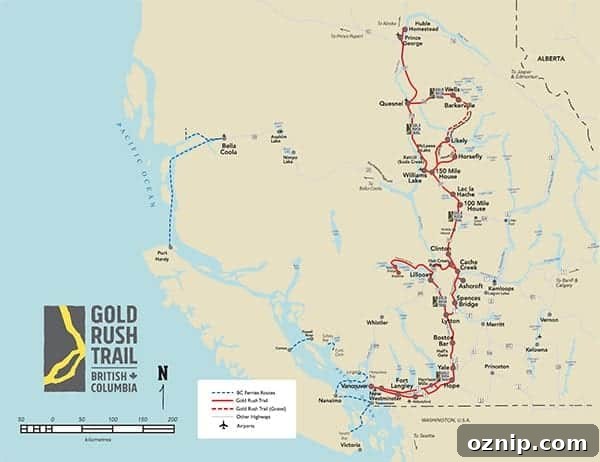
Where is Chilcotin, BC?
Chilcotin (often shortened to “the Chilcotin”) occupies a central part of British Columbia on the eastern side of the Coast Mountains. It’s a vast region of rivers, valleys, provincial parks and mountain ranges that feels remote yet is still accessible by car from Vancouver—roughly a five-hour drive depending on your route. The landscape ranges from glacier-fed peaks to forested plateaus, making it a diverse destination for outdoor enthusiasts and anyone interested in natural, less-crowded Canadian scenery.
What is the Cariboo Chilcotin Coast?
The Cariboo Chilcotin Coast is a regional name that groups together three distinct mountainous areas: the Cariboo range to the north, the Chilcotin region below it, and the eastern side of the Coast Mountains. Despite the name, it isn’t a single coastal strip; instead it spans hundreds of miles across central British Columbia and includes valleys, plateaus and scenic corridors worth exploring.
What is the Gold Rush Trail, BC?
The Gold Rush Trail traces the routes taken by prospectors and settlers during British Columbia’s 19th-century gold rush. Starting near Lillooet and extending north toward historic Barkerville, the trail passes through towns and sites that preserve artifacts, buildings and stories from the gold rush era. Following the trail is a chance to mix history with outdoor adventure—stopping at old inns, interpretive sites and landscapes that shaped British Columbia’s development.
Notable stops along the trail include the Kilby Historic Site, the town of Lillooet, Historic Hat Creek and Barkerville—each offering a different window into the past and the region’s cultural heritage.
Why Visit the Cariboo Gold Rush Trail?
The Cariboo Gold Rush Trail appeals for three main reasons: adventure, history and Indigenous cultural experiences.
- Adventure: The region is a playground for mountain bikers, hikers, paddlers and anyone seeking remote trails and wild landscapes.
- History: The gold rush left an enduring footprint—historic towns, museums and preserved sites where you can learn about that era firsthand.
- Indigenous culture: The area is home to many First Nations communities offering authentic cultural experiences, traditional knowledge, and a deeper understanding of the land.
Highlights from the Trip
I usually provide a day-by-day itinerary, but because our visit was part of a content trip, some of the locations were curated and not always open for public bookings. Instead, here are the places I loved and would recommend to travelers seeking real experiences in the Cariboo Chilcotin Coast.
REO Yoga + Rafting Resort [Boston Bar, British Columbia]
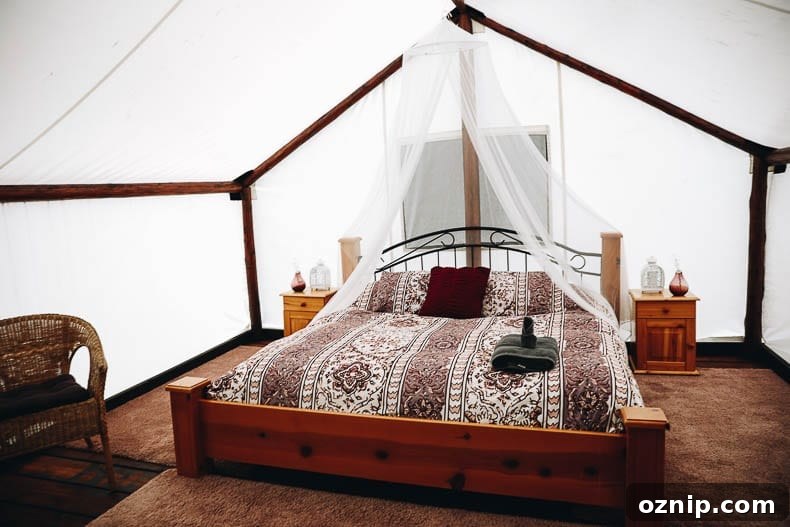
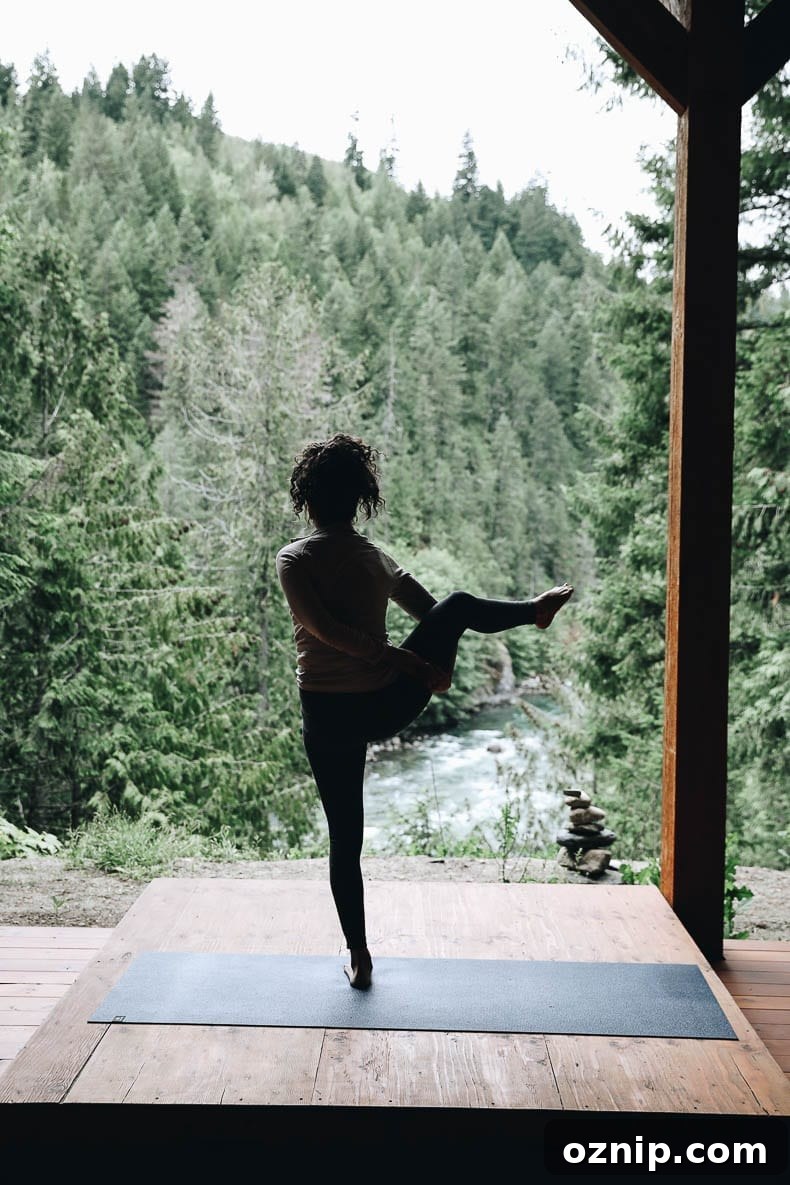
REO offers a mix of luxury-style glamping, daily yoga classes and guided rafting on a striking stretch of river near Boston Bar. The tents are comfortable and well-appointed, many right beside the water so you can fall asleep to the sound of the river. The program often includes multiple yoga classes per day, meals and river excursions. It’s an excellent choice for a weekend getaway or a restorative retreat close to Vancouver.
On your way in, consider hiking the Othello Tunnels and taking in the views at Alexandra Bridge Provincial Park for a scenic start to your trip.
Lillooet, British Columbia
Lillooet marks mile zero of the Gold Rush Trail and offers a surprising mix of nature, Indigenous cultural experiences and local food and wine. A few highlights:
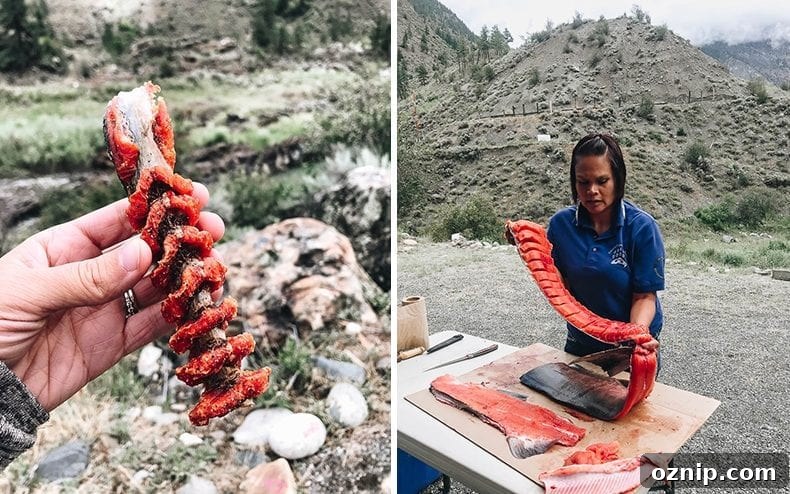
Xwisten Experience: A memorable Indigenous tourism program that demonstrates long-standing river fishing traditions, showcases traditional wind-dried salmon, and shares site interpretations such as pit houses. It’s a meaningful way to learn about local First Nations history and practices.
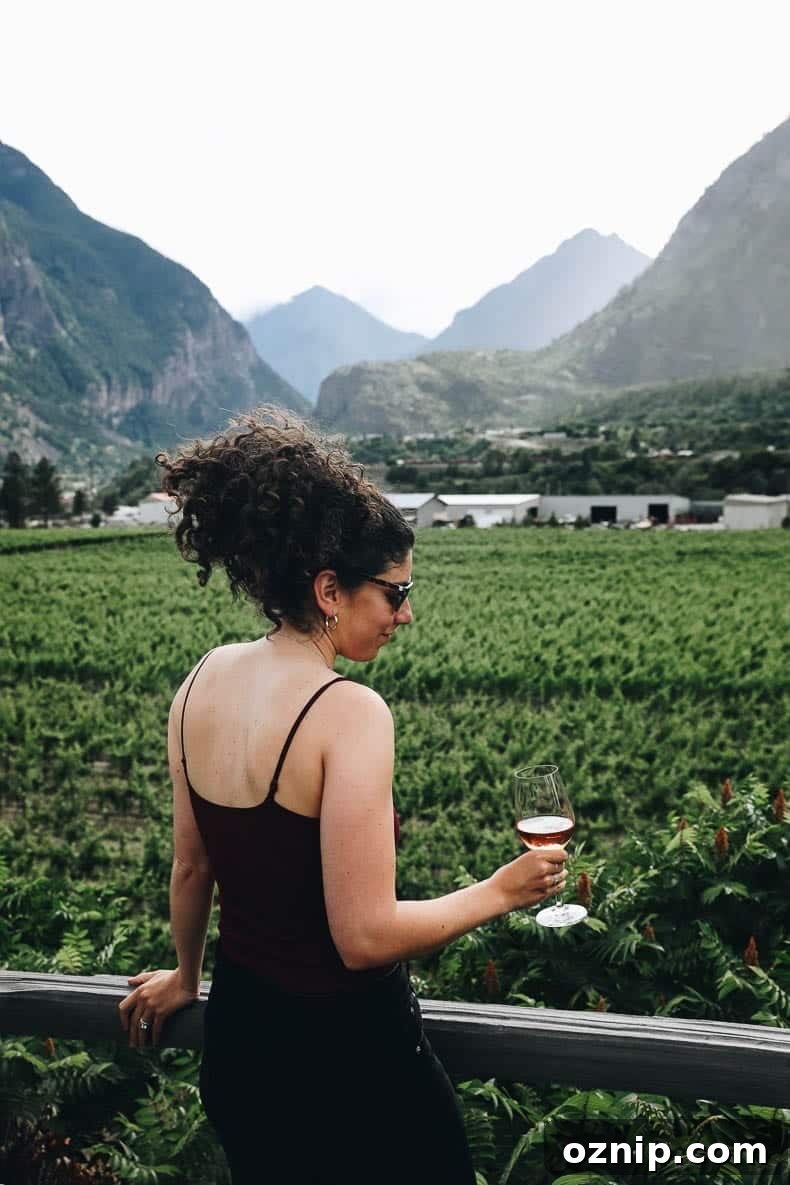
Fort Berens Winery: Lillooet has been developing a small but excellent wine scene. Fort Berens provides tastings and bottles that highlight the region’s growing viticulture.
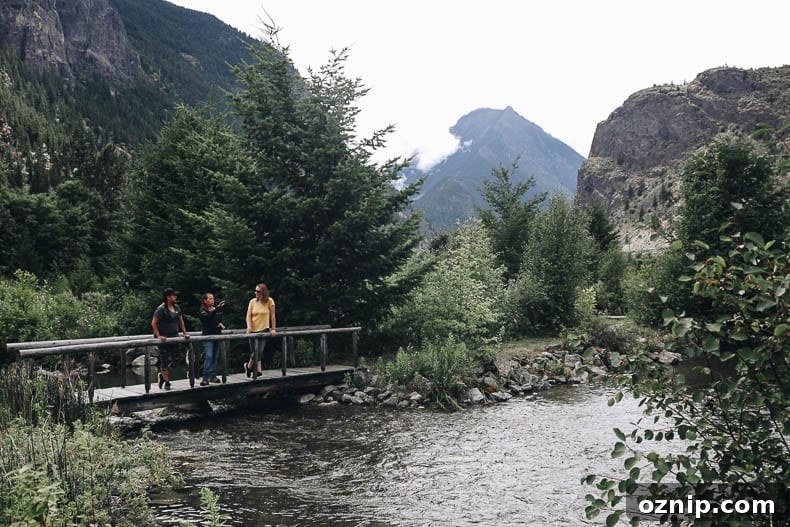
Split Rock Environmental: A great stop for botany lovers. Split Rock focuses on native plants, local ecology and handmade bath and beauty products made from regional botanicals. Their property includes walking trails and a man-made salmon run dedicated to supporting local fish populations.
Gold Bridge, British Columbia
Gold Bridge is one of the quieter, more remote places on the route—ideal if you want solitude and access to rugged backcountry activities.
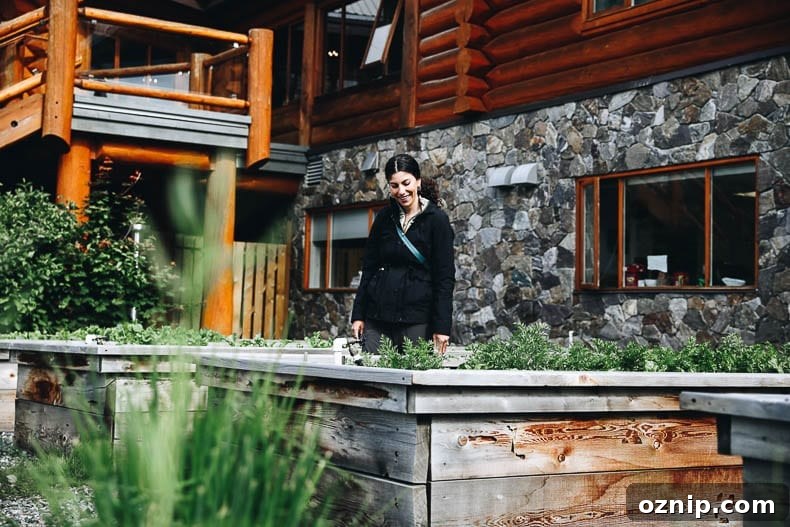
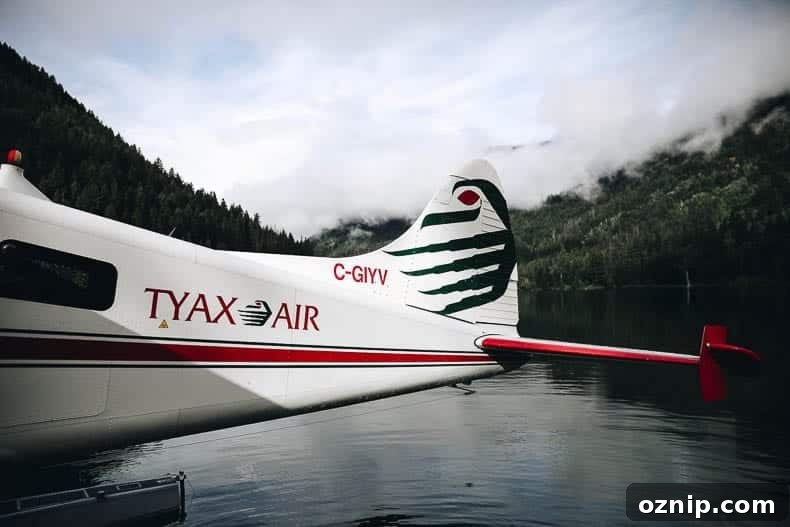
Tyax Lodge offers comfortable, scenic accommodations and a long list of outdoor activities: canoeing, paddle boarding, float plane excursions to nearby glaciers, spa services and guided hikes. The lodge is a convenient hub for exploring the surrounding mountains and lakes.
Tyax Adventures runs more rugged tours and rustic camping options for visitors seeking off-the-grid experiences. Their float plane trips provide access to remote alpine hikes and mountain biking terrain. Note that their camps are intentionally basic and geared toward travelers prepared for rustic conditions.
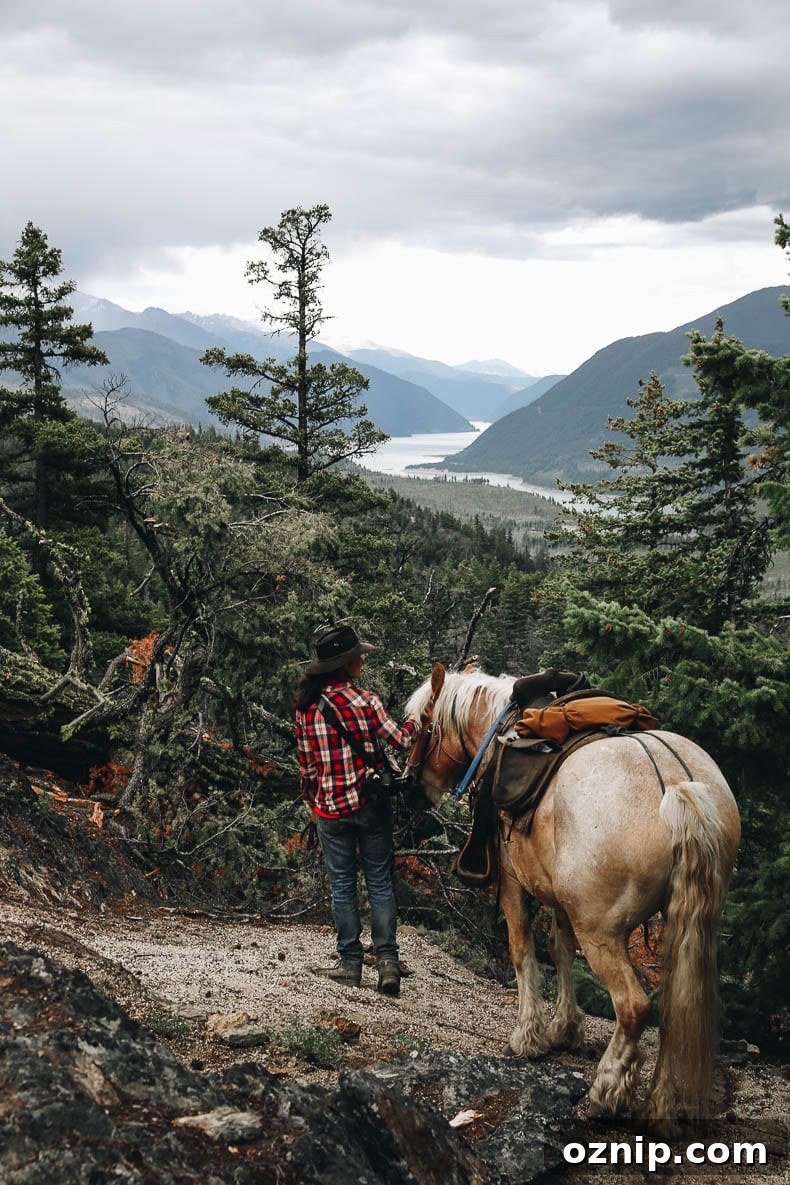
Chilcotin Holidays is a highlight for horseback riding. They offer half-day and multi-day pack trips through the mountains, often ending with a harvest-style meal featuring locally foraged ingredients. The ranch feels authentic and welcoming—ideal for riders and anyone wanting to immerse themselves in the mountain landscape.
From float plane rides over glaciers to authentic Indigenous cultural encounters and horseback adventures through mountain valleys, the Cariboo Chilcotin Coast and Gold Rush Trail offer a rich mix of experiences. The region reminded me how vast and varied western Canada is—and how much more there is to explore. If you enjoy history, remote wilderness, and meaningful cultural experiences, this part of British Columbia deserves a spot on your travel list.
Have you heard of the Cariboo Chilcotin Coast or the Gold Rush Trail? I hope more travelers discover this region and its unique blend of adventure, culture and history.