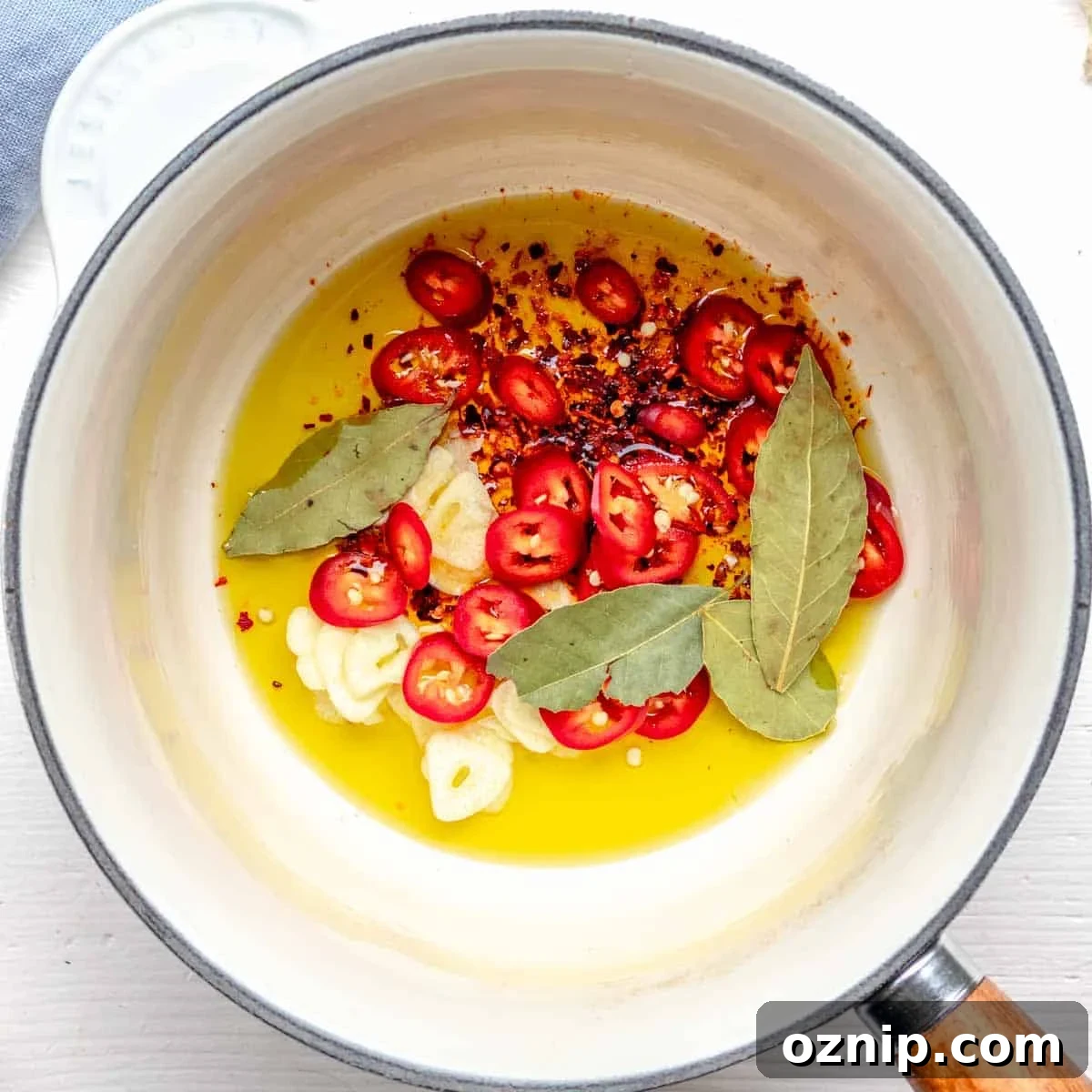
Tadka, also called tempering, is a classic technique in Indian cuisine that enhances flavor by infusing hot oil or ghee with spices.
It works by heating oil or ghee and briefly frying whole or ground spices and aromatics so they release their aroma and taste into the fat.
The seasoned oil is typically added to a dish at the start or as a finishing drizzle to intensify the overall flavor.
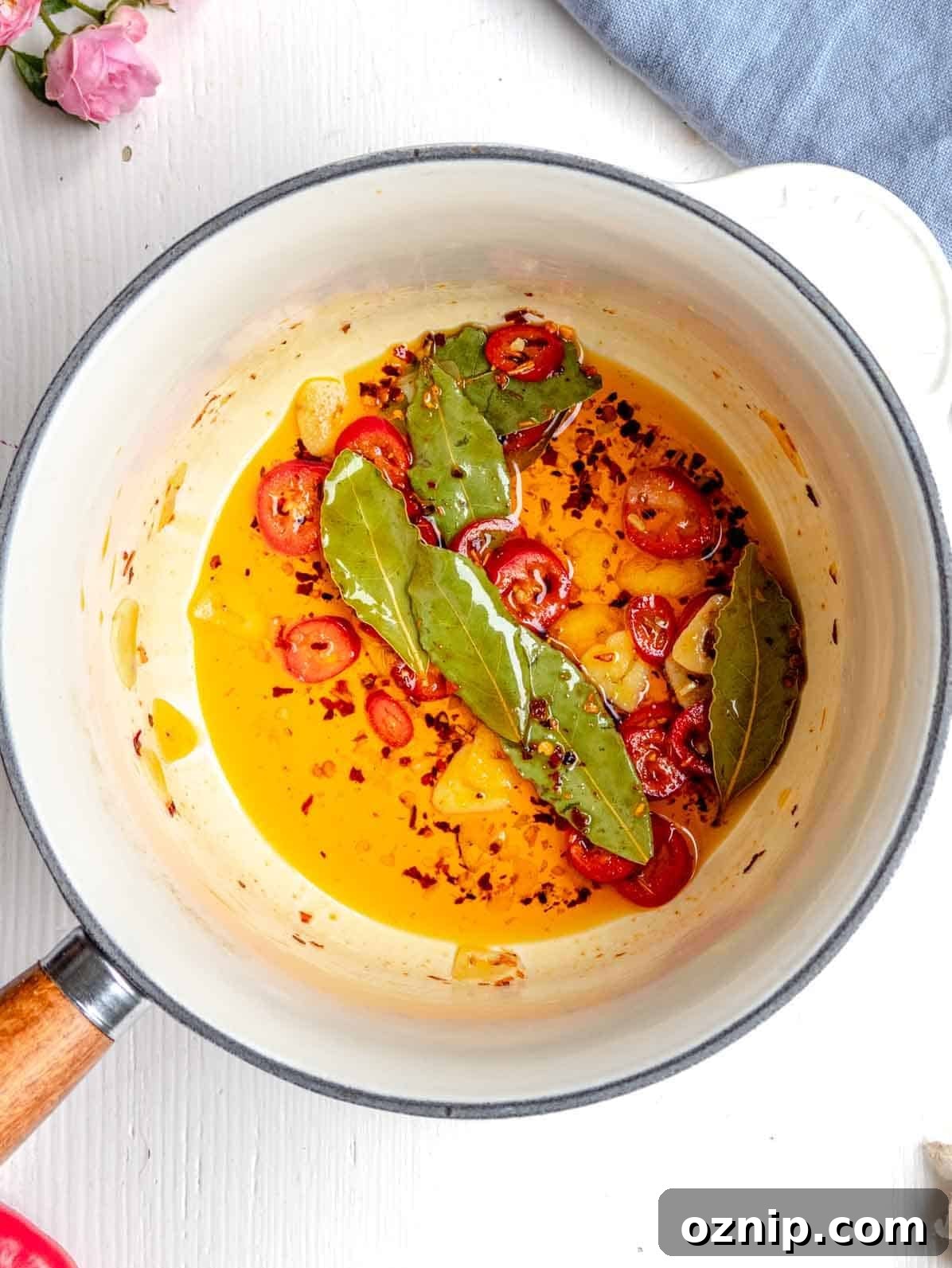
Table of Contents
- Ingredients for Tadka
- How to make Tadka
- How to use Tadka?
- How to make tadka healthier?
- Tadka Recipe
Ingredients for Tadka
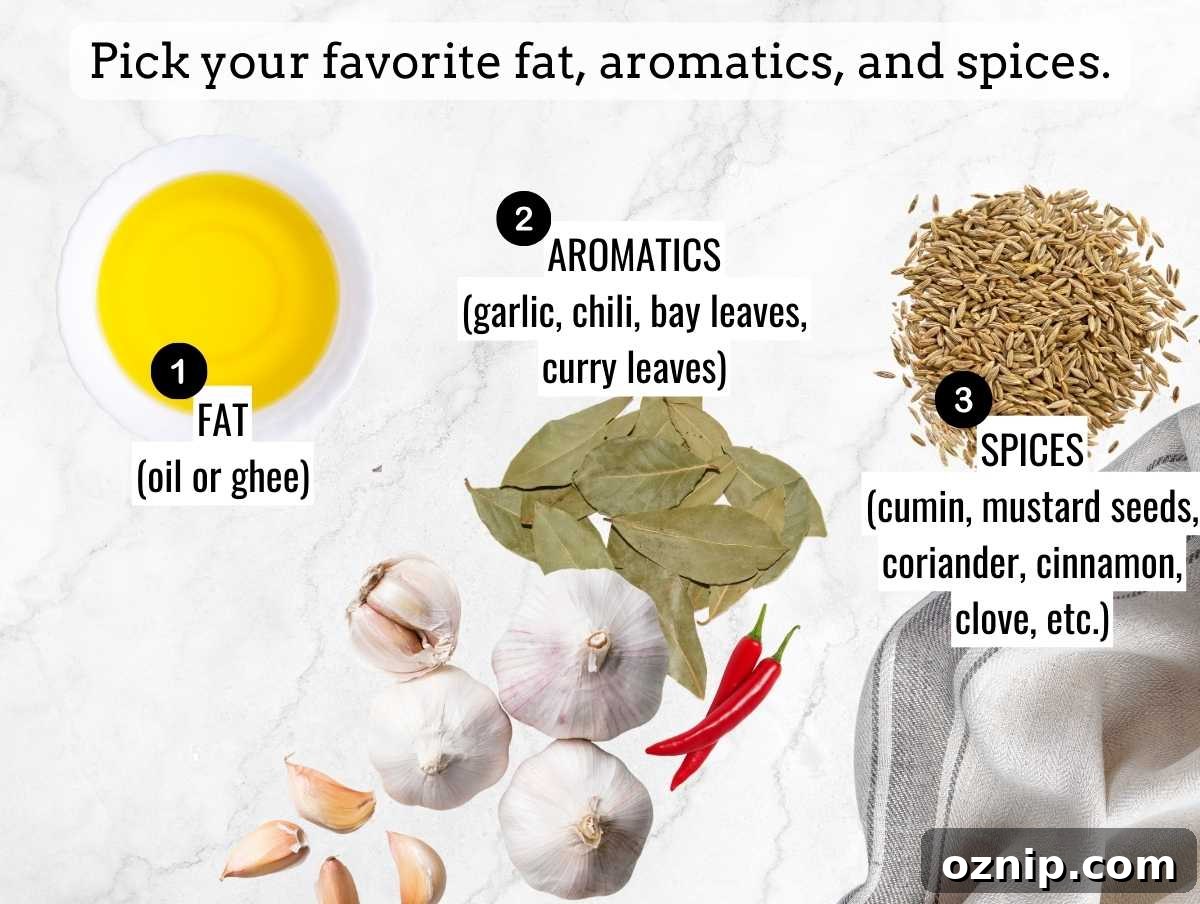
Quantities appear in the recipe box below.
Fat
Choose a neutral or flavorful fat such as olive oil, avocado oil, coconut oil, mustard oil, or traditional ghee (clarified butter). For a healthier, widely available option, olive oil is a good choice.
Aromatics
Common aromatics include thinly sliced garlic, fresh chilies, and bay leaves. You can also use onions, shallots, curry leaves, or ginger to vary flavor and texture.
Spices
Typical spices for tadka are cumin (whole seeds or ground), ground coriander, and, when available, a cinnamon stick. Other useful additions include mustard seeds, red pepper flakes, asafoetida (hing), cloves, star anise, and turmeric.
Regional variations in India use many different combinations of spices—feel free to experiment until you find your favorite mix.
Salt
Add a pinch of sea salt or kosher salt to help balance and lift the flavors.
How to make Tadka
Measurements and full quantities are in the recipe box below.
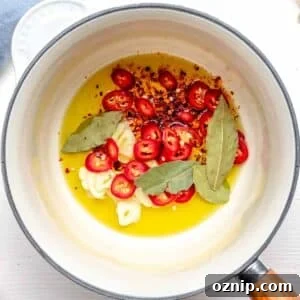
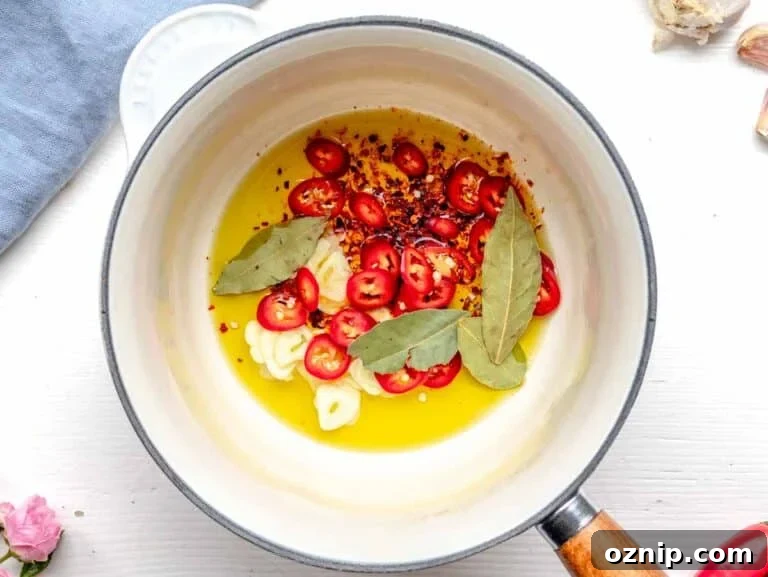
Heat the oil in a small saucepan over medium heat for about 30 seconds. Keep the oil warm but do not let it smoke.
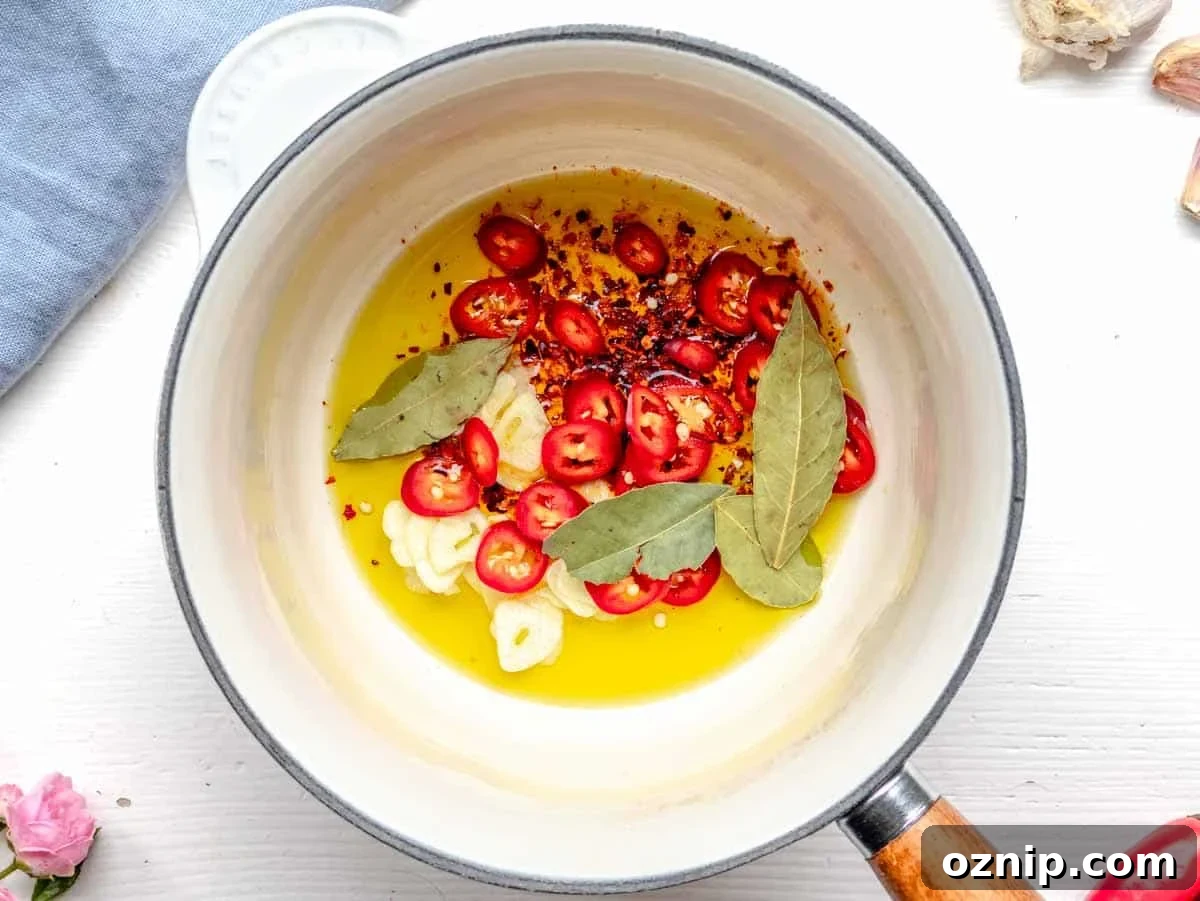
Add the aromatics first—for example, sliced garlic, bay leaves, and thinly sliced fresh chili—and season with a pinch of salt.
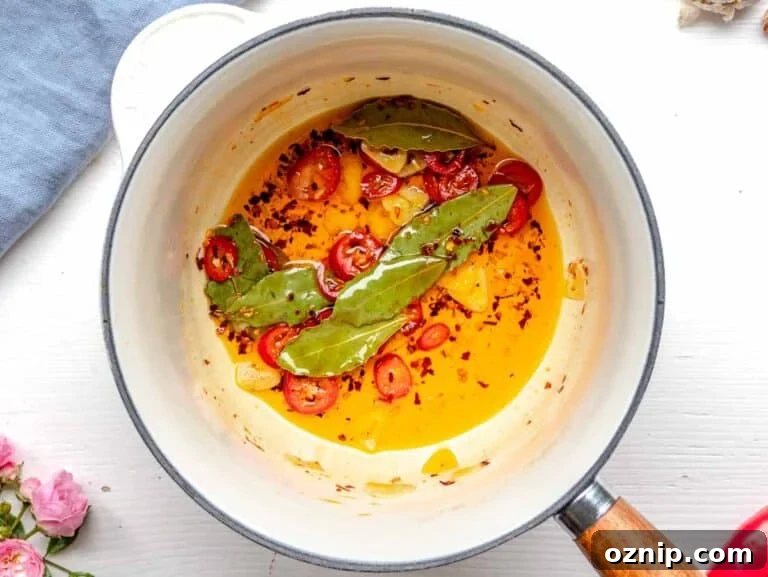
Gently fry for about 30 seconds or until the aromatics are fragrant and slightly golden. At this stage you can also add a cinnamon stick, star anise, sliced onion or shallots, or curry leaves for extra depth.
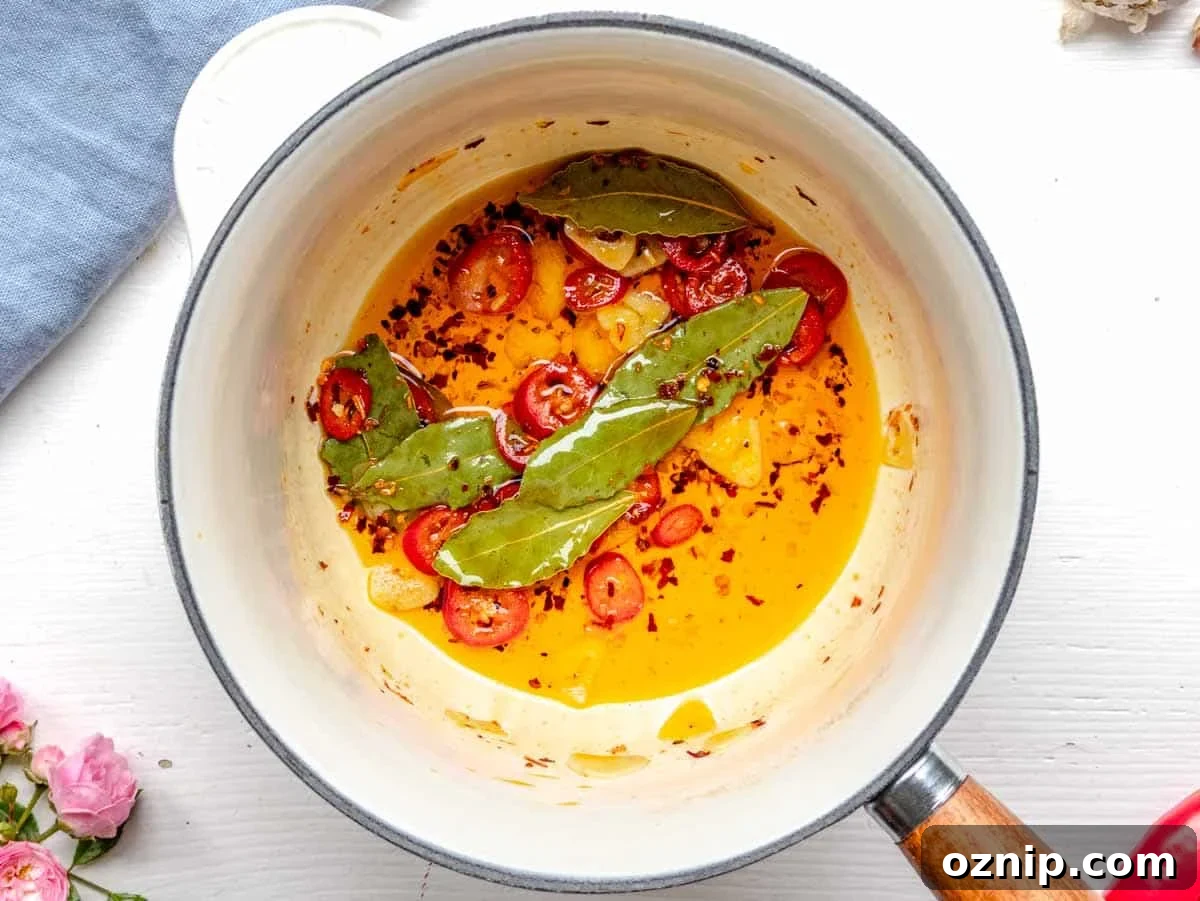
Add the spices—for example, ground cumin, ground coriander, and red pepper flakes—and stir for another 30 seconds so the spices bloom in the oil.
Turn off the heat and let the oil sit for at least 5 minutes so the flavors infuse.
Tip: You can add whole mustard seeds or other small seeds if you prefer a popping texture. Always watch the oil so it doesn’t burn—if it smokes, remove the pan from the heat and let it cool a bit before continuing.
How to use Tadka?
Tadka lends complexity, heat, and aromatic lift to otherwise simple dishes. It is most commonly used in two ways:
- Stirred into a dish just before serving to distribute the infused oil and spices throughout.
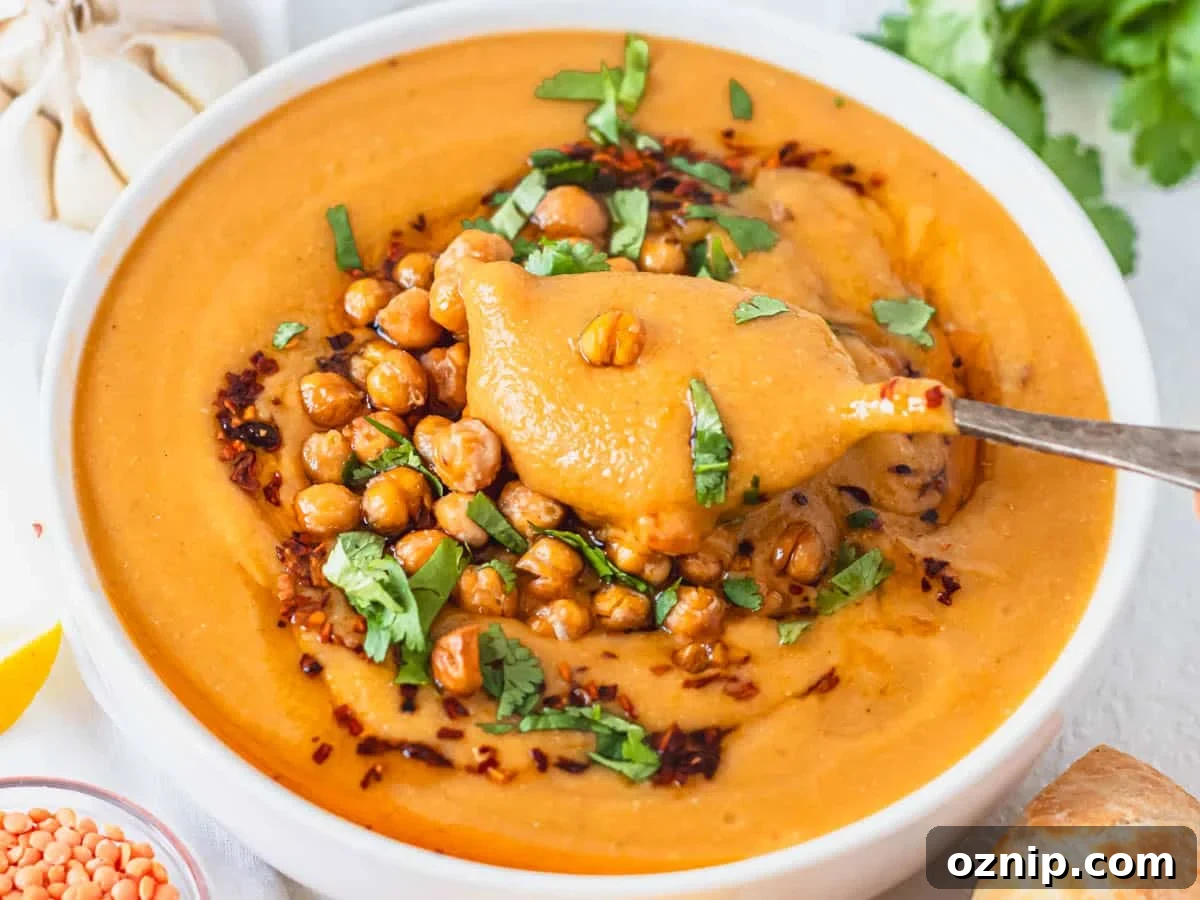
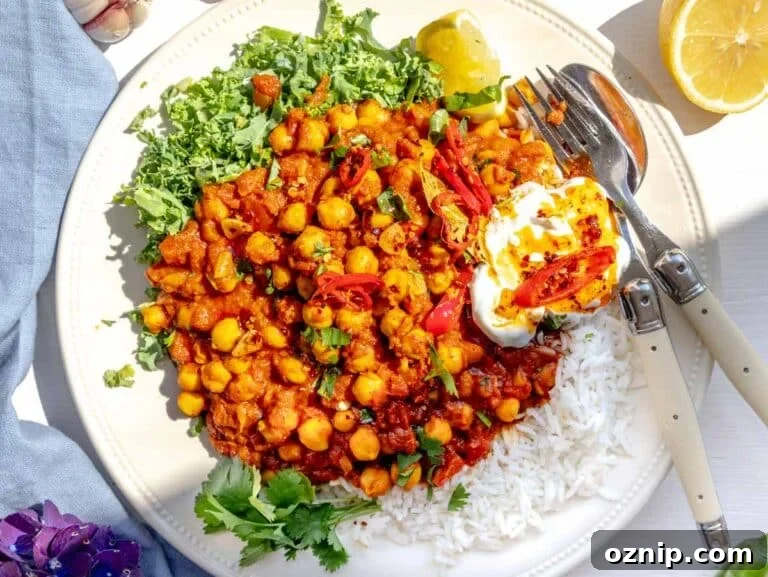
- Used as a finishing oil—drizzled on top of a finished plate. One to two teaspoons per serving is usually enough and preserves the texture and contrast. This finishing method is often preferred for its immediate impact.
Tadka pairs beautifully with curries, vegetables, soups, rice dishes, and dals. It also works well as a finishing touch on dishes topped with cold yogurt for contrast.
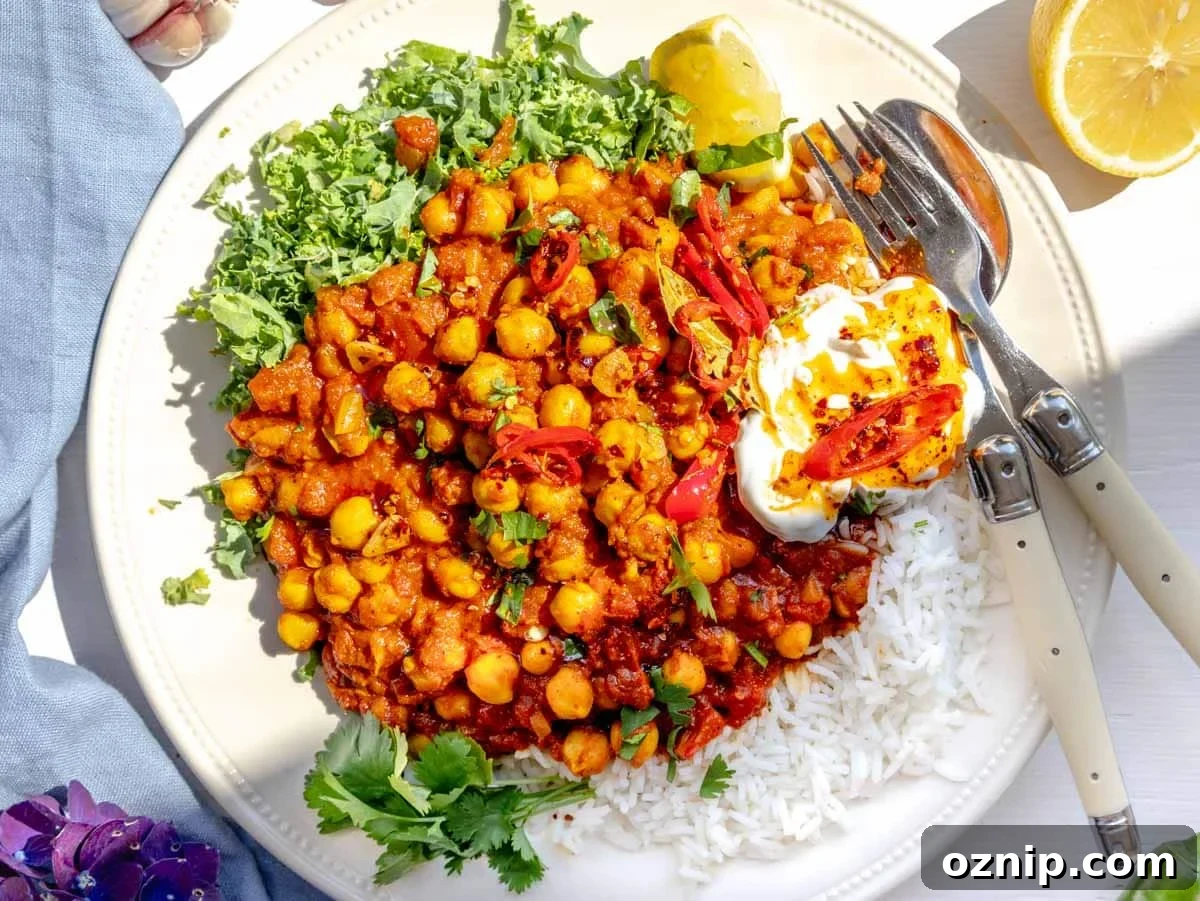
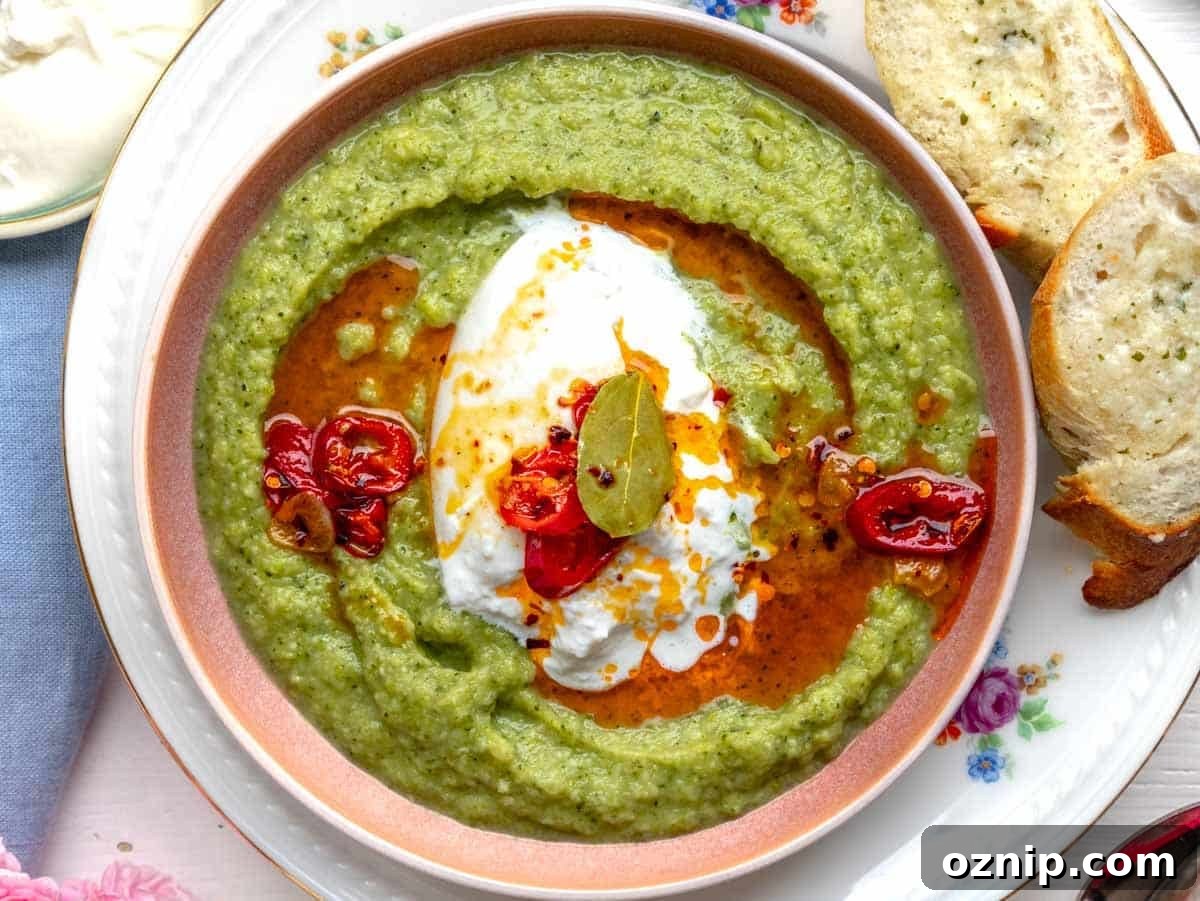
Try tadka on dishes such as chana masala, chana dal, moong dal, moong bean soup, navratan korma, chickpea stew, lentil curry, aloo gobi, or as a flavorful topping for red lentil, cauliflower, or broccoli soups.
How to make tadka healthier?
Tadka is mostly oil, so using it sparingly keeps calories reasonable while still enjoying the flavor boost. Below are practical tips to enjoy tadka as part of a balanced, healthy diet.
- Use small amounts—one or two teaspoons per serving are usually enough when used as a finishing oil.
- Choose healthier fats like olive oil or avocado oil instead of more saturated options. Ghee brings classic flavor but is higher in saturated fat.
- Heat gently and avoid smoking the oil. Overheated or burnt oil can form undesirable compounds and bitter flavors.
Tadka
It’s especially useful as a finishing oil or a flavor base for dals, curries, soups, and stews.
5 mins
1 min
6 mins
4 people
Ingredients
- 4 tablespoons olive oil substitute ghee or avocado oil
- 3 cloves garlic thinly sliced
- ¼ teaspoon salt
- 1 mild chili pepper more or less to taste, thinly sliced
- 6 small bay leaves
- 1 teaspoon ground coriander
- ½ teaspoon ground cumin
- ½ teaspoon red pepper flakes more or less to taste
Instructions
-
Heat 4 tablespoons of olive oil in a small saucepan over medium heat for about 30 seconds.
Add 6 small bay leaves, 3 cloves of thinly sliced garlic, 1 thinly sliced mild chili pepper, and ¼ teaspoon salt.
Fry gently for about 30 seconds or until aromatic and lightly golden.

-
Add ½ teaspoon ground cumin, 1 teaspoon ground coriander, and ½ teaspoon red pepper flakes. Stir and fry for another 30 seconds so the spices bloom.
Turn off the heat and allow the tadka to sit for at least 5 minutes to let the flavors infuse into the oil.
-
Our preferred use is as a finishing oil, drizzled over a finished dish. Use one to two teaspoons per serving to boost flavor without adding too many calories.
Tadka is excellent with curries, stews, soups, and dals, especially when paired with a cool dollop of yogurt.
Notes
Nutrition information reflects an estimate for one serving out of four, made with olive oil.
Substitutions & additions:
- Olive oil: You can substitute avocado oil, mustard oil, vegetable oil, coconut oil, or ghee.
- Aromatics: Consider adding onions, shallots, dried fenugreek (kasuri methi), cinnamon sticks, star anise, thinly sliced ginger, curry leaves, cardamom pods, or cloves.
- Spices: Other options include asafoetida, fenugreek seeds, mustard seeds, sesame seeds, nigella seeds, crushed pepper, and cinnamon.
Storage: Store cooled tadka in a sealed jar in the refrigerator for up to 4 days.
Tips for a healthier tadka:
- Add small amounts on top of a dish—one to two teaspoons per serving—rather than mixing large amounts into the whole pot.
- Use healthier fats like olive oil or avocado oil where possible.
- Heat gently and avoid smoking or burning the oil to prevent off-flavors and unhealthy compounds.
Nutrition
Carbohydrates: 2 g,
Protein: 0.3 g,
Fat: 14 g,
Saturated Fat: 2 g,
Sodium: 151 mg,
Dietary Fiber: 0.4 g
You might also like:
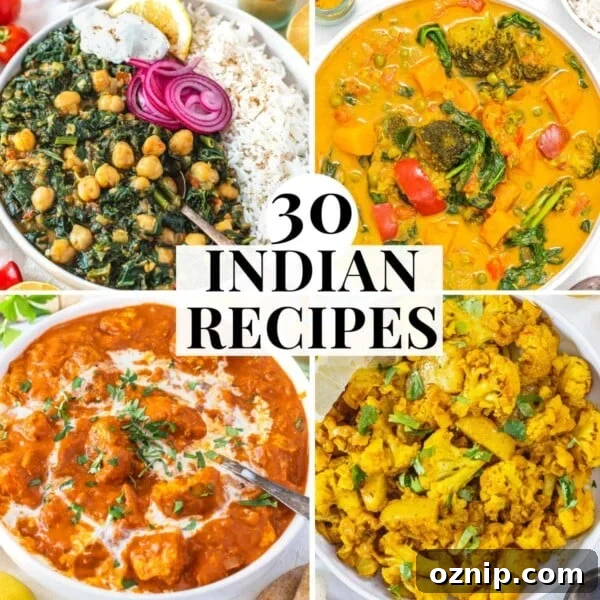
Collections
Indian Vegetarian Recipes
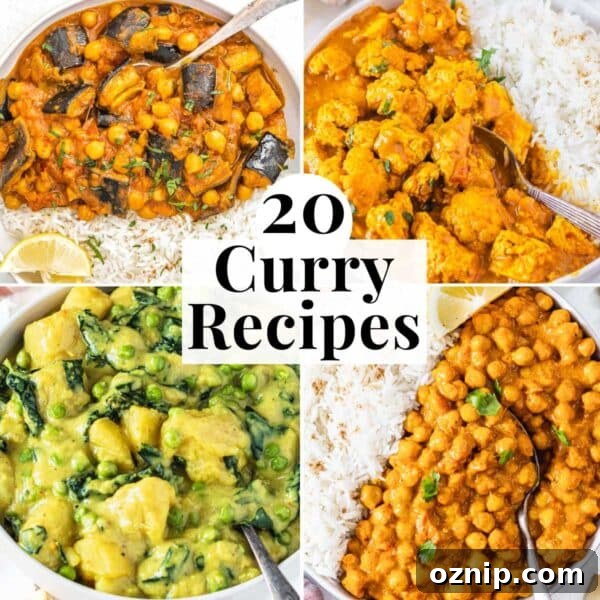
Collections
20 Easy Curry Recipes
Collections
30 Healthy Soup Recipes
Collections