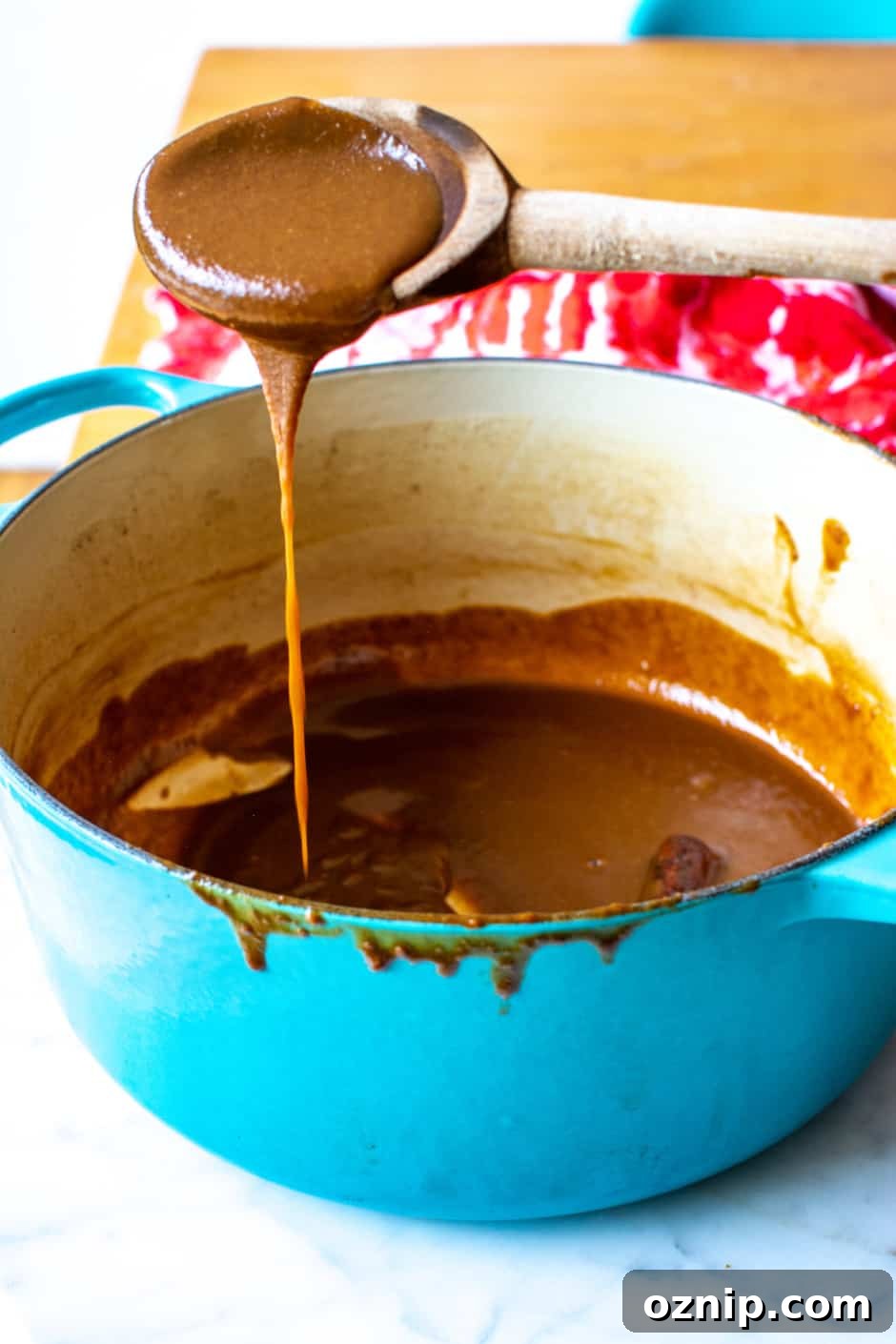
This cajeta recipe is simple, rich, and deeply satisfying. Made with goat milk, sugar, cinnamon, vanilla, baking soda, and a pinch of salt, this Mexican caramel sauce is sweet, slightly tangy, and beautifully golden. Drizzle it over ice cream, spoon it onto bread pudding, stir it into coffee, or serve it as a dip for churros, apples, and other favorite treats.
Let’s make cajeta.
Cajeta may sound like one of those recipes that requires special equipment or advanced candy-making skills, but it is much easier than it looks. Once you understand the method, it becomes a simple stovetop process: combine the ingredients, simmer slowly, stir as needed, and watch the milk transform into a glossy caramel sauce.
Homemade cajeta has a flavor that is hard to match. It is sweet without tasting flat, creamy without being heavy, and the goat milk gives it a gentle tang that balances the richness beautifully. Once you have a jar in the refrigerator, you will find endless ways to use it.
Below, you will find everything you need to know about what cajeta is, which ingredients matter most, how to cook it properly, and how to store it once it is finished.
What Is Cajeta?
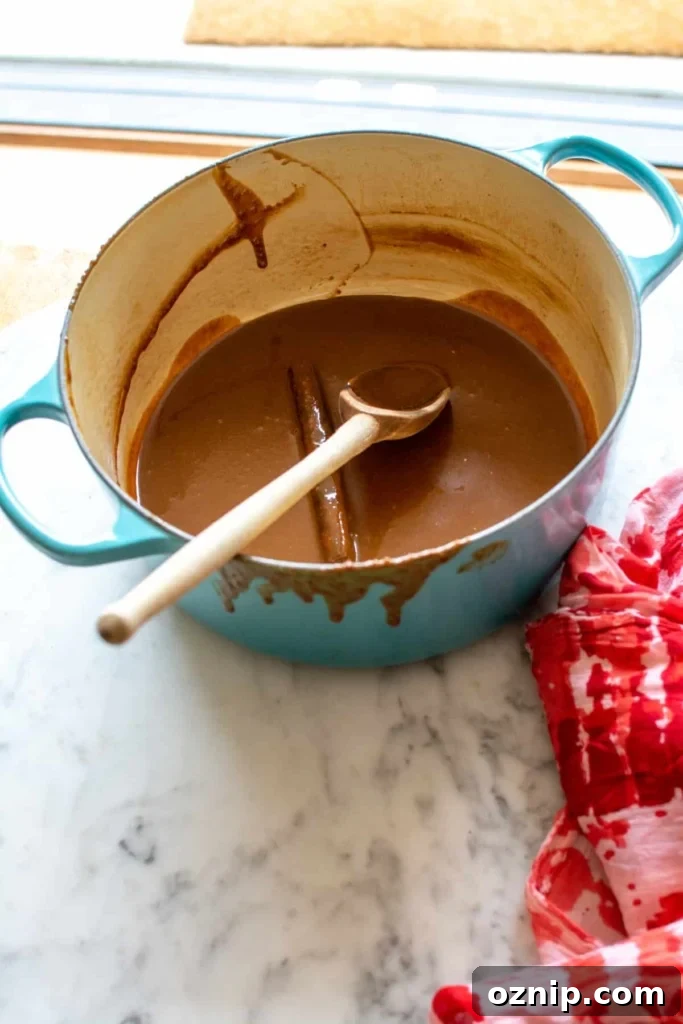
Cajeta is a traditional Mexican milk-based confection similar to dulce de leche. It is most often served as a pourable sauce, but it can also be cooked longer until it becomes thick enough to form into candy.
This beloved Mexican caramel is closely associated with Celaya, a city in the state of Guanajuato, Mexico. While many dulce de leche recipes are made with cow’s milk, cajeta is traditionally prepared with goat milk. That difference is what gives cajeta its signature flavor: rich, caramelized, creamy, and lightly tangy.
To make cajeta, goat milk and sugar are simmered together until the liquid reduces and turns a deep golden brown. The result is a smooth caramel sauce with a complex flavor that works beautifully with desserts, drinks, and fruit.
Ingredients To Make Cajeta At Home
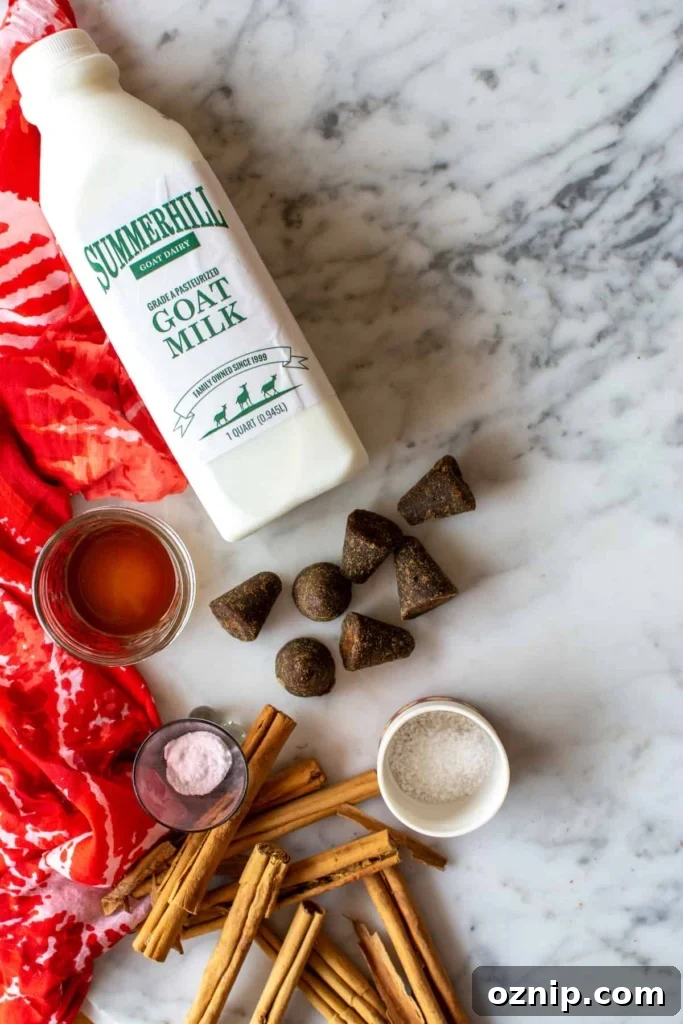
Making cajeta at home is straightforward, but the ingredients are important. Each one helps create the right color, texture, and flavor.
Goat milk. Goat milk is the foundation of authentic cajeta. It gives the sauce its distinctive tang and creamy body. Cow’s milk will not create the same flavor.
Piloncillo. Piloncillo is raw, unrefined cane sugar commonly sold in cone shapes. It has a deep molasses-like sweetness that gives cajeta extra depth. If you cannot find piloncillo, packed dark brown sugar is a good substitute.
Helpful kitchen tip: Buy piloncillo in the smallest cones you can find. Smaller pieces dissolve more easily in the milk, so you will not need to grate or chop large, rock-hard blocks.
Canela. Canela, or Ceylon cinnamon, has a softer texture and a gentler flavor than the cassia cinnamon commonly found in many grocery stores. It adds warmth without overpowering the sauce.
Vanilla extract. Vanilla is optional, but it rounds out the flavor and gives the finished cajeta a warm, dessert-like aroma.
Baking soda. Baking soda helps encourage browning as the milk and sugar cook. Its flavor cooks off, leaving behind a richer caramel color.
Kosher salt. A small amount of salt balances the sweetness and makes the caramel flavor more pronounced.
How To Make Cajeta
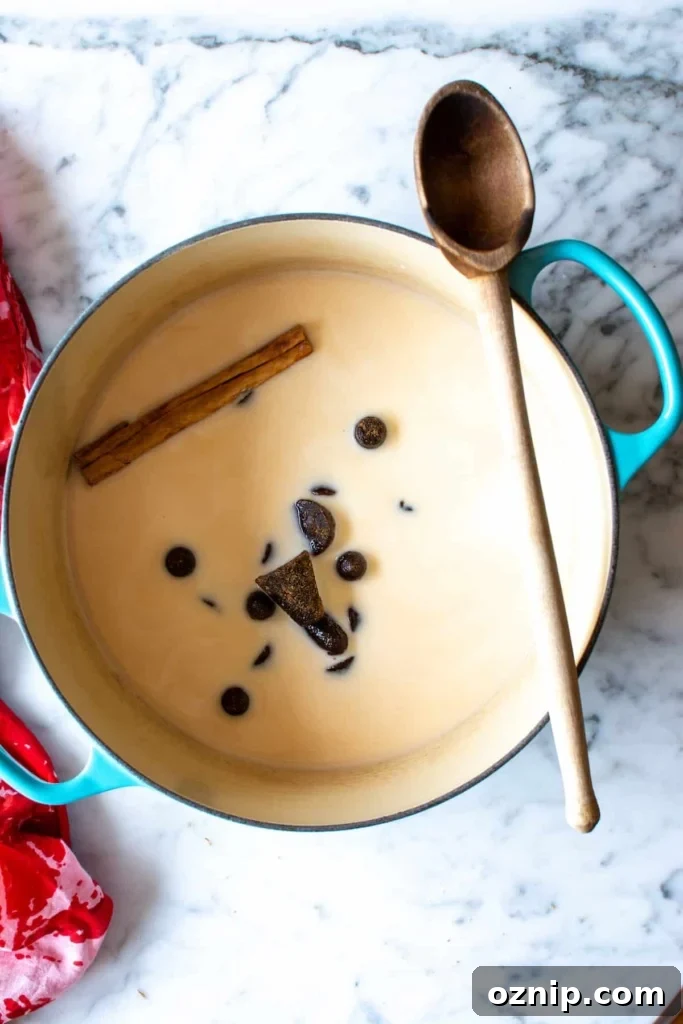
One of the best things about this cajeta recipe is that it does not require constant attention the way some caramel sauces do. You will need to stir more often toward the end, but the beginning is mostly a gentle simmering process.
Start with a large, heavy-bottomed pot. An 8-quart pot is ideal because the mixture can bubble up quickly when it first comes to a boil. If the pot is too small, the milk may boil over and create a mess.
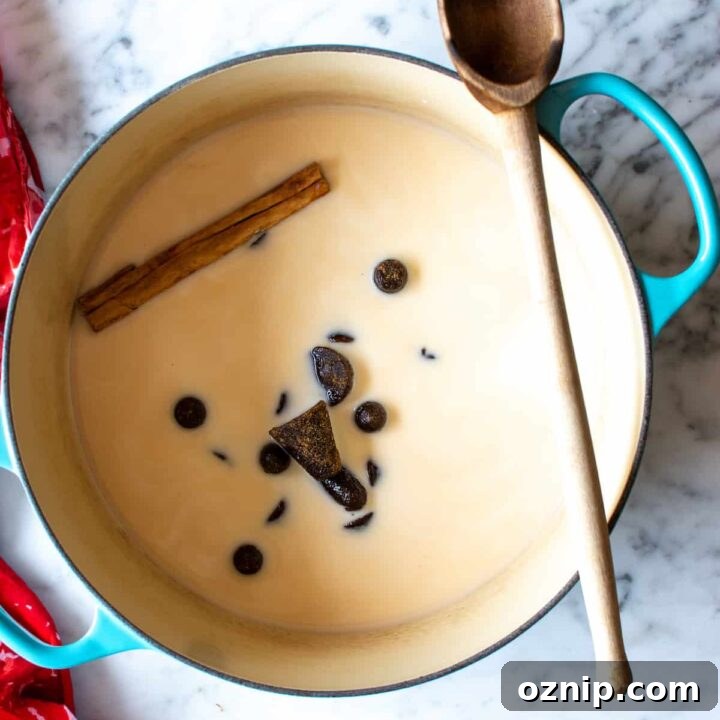
Add the goat milk, piloncillo or dark brown sugar, canela, vanilla extract, baking soda, and kosher salt to the pot. Set the pot over medium heat and stir frequently as the mixture warms.
When the mixture reaches a boil, watch it carefully. It may foam and rise dramatically at first. Once it has boiled, reduce the heat so the cajeta continues to bubble gently. The heat should not be so low that nothing happens, but it should not be so high that the milk scorches.
Let the mixture cook, stirring occasionally, until it thickens and turns caramel colored. Begin checking after about 30 minutes. At this stage, the cajeta may look similar to sweetened condensed milk. Once it reaches that point, pay closer attention because the sauce can thicken quickly.
For a thinner, pourable cajeta sauce, remove it from the heat when it is glossy and lightly thickened. For a thicker sauce, continue cooking until a spoon dragged across the bottom of the pot leaves a clear trail that takes a moment to fill back in.
The total cooking time can vary depending on how rapidly the mixture is simmering. It may take about 45 minutes, but it can also take closer to an hour and a half. The visual cues are more important than the timer.
Why Is My Cajeta Grainy?
If your cajeta turns grainy, gritty, or slightly curdled, it most likely cooked too quickly or was not stirred often enough near the end. As the sauce thickens, it becomes more sensitive to heat, so it is important to lower the temperature if needed and stir more frequently.
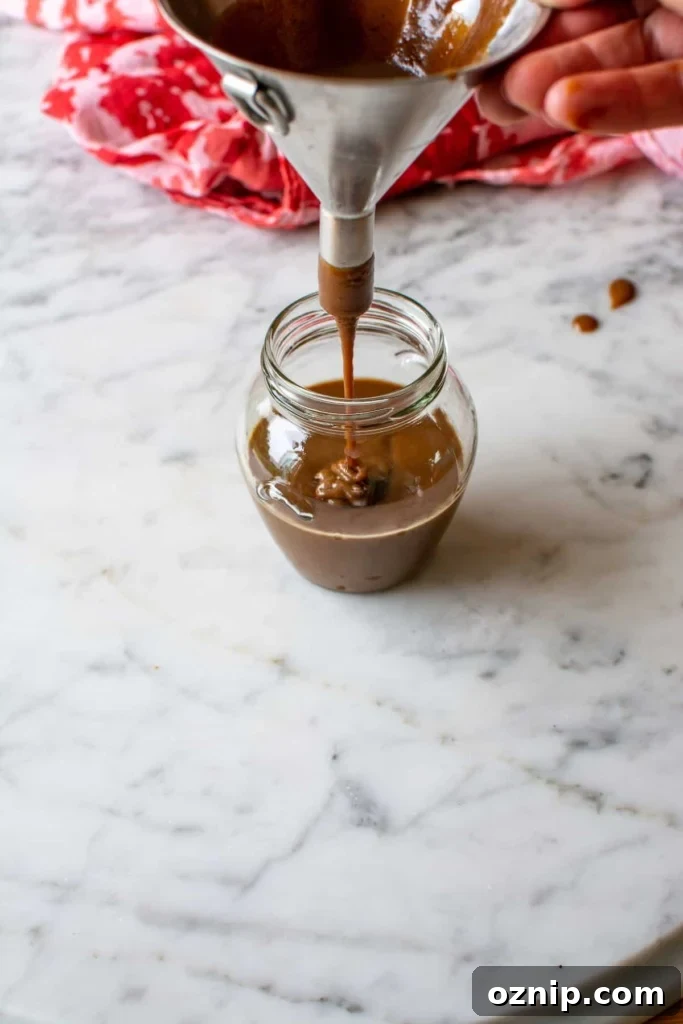
The good news is that grainy cajeta can often be saved. Pour it through a fine mesh sieve to remove the small bits, then transfer the smooth sauce to a clean jar or container.
How Long Does Cajeta Last?
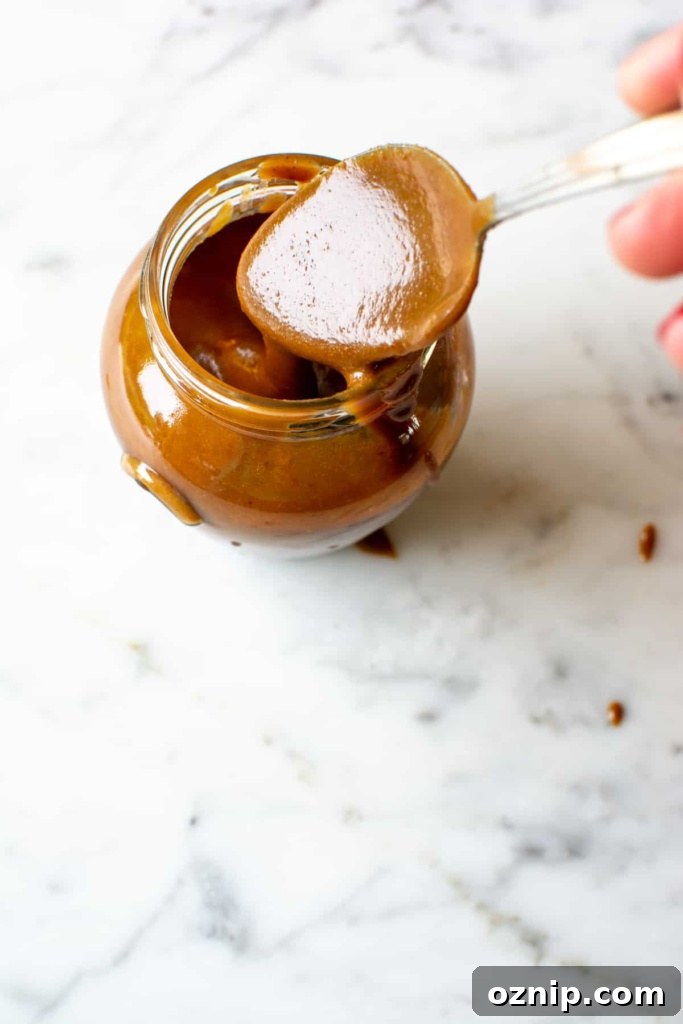
Cajeta is usually eaten long before it has a chance to sit around for very long. Once cooled, store it in a container with a tight-fitting lid in the refrigerator.
For best quality and safety, enjoy homemade cajeta within one to two months. It will thicken as it chills, so let it sit at room temperature for a few minutes or warm it gently before serving if you want a more pourable texture.
More Dessert Recipes You’ll Love
- Slow Cooker Coconut Milk Dulce de Leche {Vegan}
- Peppermint Mocha Milk Fudge {Jamoncillo de Leche}
- Easy Chamoy Sauce
- Pumpkin Layer Cake with Dulce de Leche
- Dairy-Free Concha Recipe
- Dulce de Leche Sweet Rolls with Coconut Frosting
- How To Make A Mangonada
Make This Cajeta Recipe
This homemade cajeta is worth every minute on the stove. It is sweet, tangy, creamy, and full of deep caramel flavor without being overly sugary. Serve it warm over ice cream, spoon it over pancakes or waffles, swirl it into coffee, drizzle it on cake, or use it as a dip for churros and fresh fruit.
Once you make cajeta from scratch, it may become one of those recipes you return to again and again. It is simple, versatile, and a beautiful way to turn a few basic ingredients into something special.
Cajeta Sauce Recipe {Goat’s Milk Caramel Sauce}
1 1/4 cups
5 minutes
45 minutes
50 minutes
This cajeta recipe is a rich Mexican goat milk caramel sauce made with goat milk, sugar, cinnamon, vanilla, baking soda, and salt. It is perfect for drizzling over ice cream, bread pudding, pancakes, or churros.
Ingredients
- 4 cups (1 quart) goat milk
- 8 ounces piloncillo or 1 packed cup dark brown sugar
- 1 stick canela {Ceylon cinnamon}
- 1 teaspoon vanilla extract
- 1/2 teaspoon baking soda
- 1/2 teaspoon kosher salt
Instructions
- Combine. Add the goat milk, piloncillo or dark brown sugar, canela, vanilla extract, baking soda, and kosher salt to a large 8-quart heavy-bottomed pot.
- Heat. Bring the mixture to a boil over medium heat, stirring frequently. Watch carefully because it can foam and rise quickly at the beginning.
- Cook. Reduce the heat until the mixture is gently boiling. Stir occasionally at first. As the cajeta becomes golden brown and begins to thicken, stir more often to prevent scorching.
- Check for doneness. The cajeta is ready when it is thick and glossy, and a spoon scraped across the bottom of the pot leaves a distinct trail that takes a moment to fill back in. Cooking time can range from 30 minutes to 1 1/2 hours depending on the heat level, though it often takes about 45 minutes.
- Cool and serve. Let the sauce cool for at least 30 minutes. Drizzle over your favorite dessert, or transfer to a container with a tight lid and refrigerate for up to 2 months.
This recipe is shared for readers who enjoy homemade Mexican desserts and sauces. Use the ingredient notes and cooking cues above to make a smooth, flavorful cajeta at home.