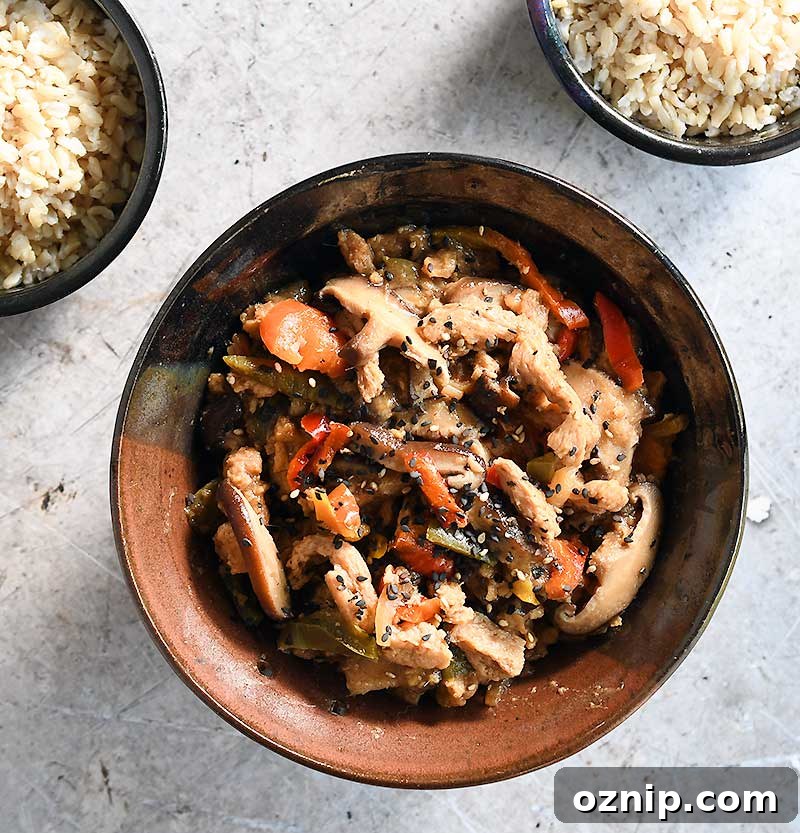
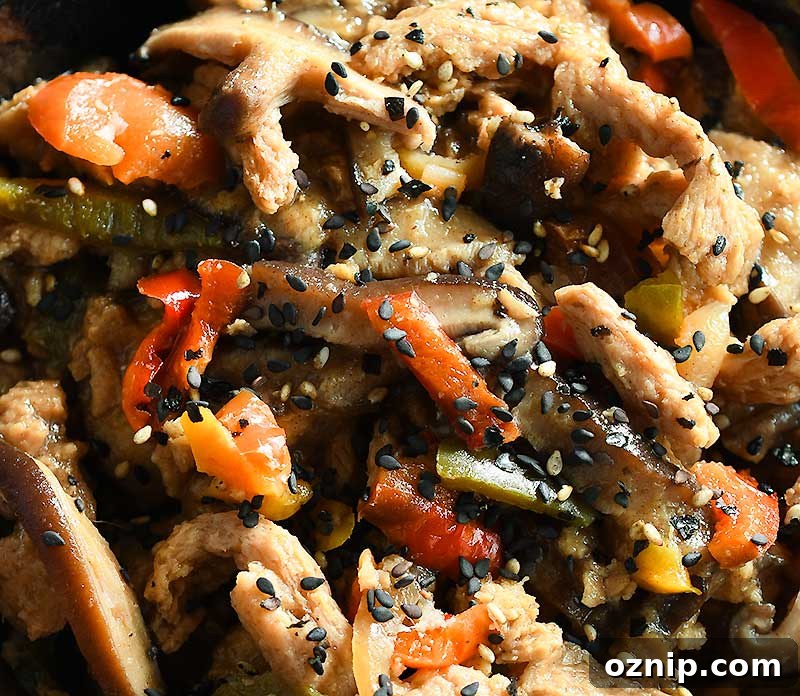
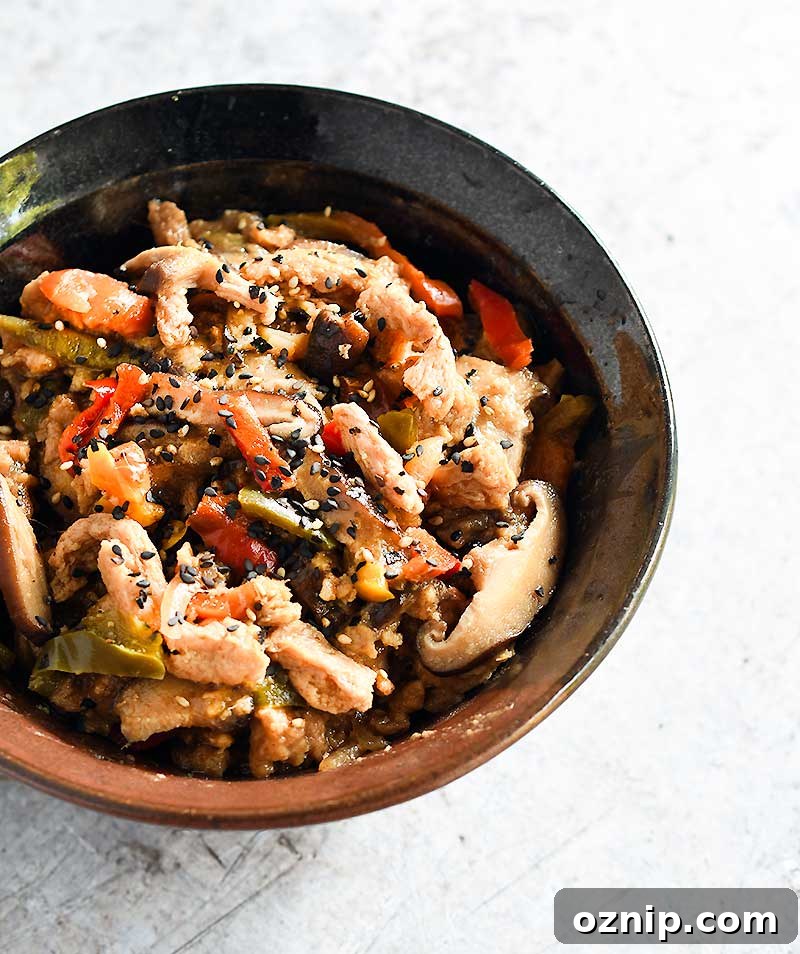
Teriyaki for everyone! My Date Sweetened Teriyaki Soy Curls is vegan and plant-based, refined sugar-free, oil-free, and can easily be made gluten-free. Using dates as the sweetener gives the sauce a subtle caramel note that pairs beautifully with the classic salty-sweet teriyaki profile.
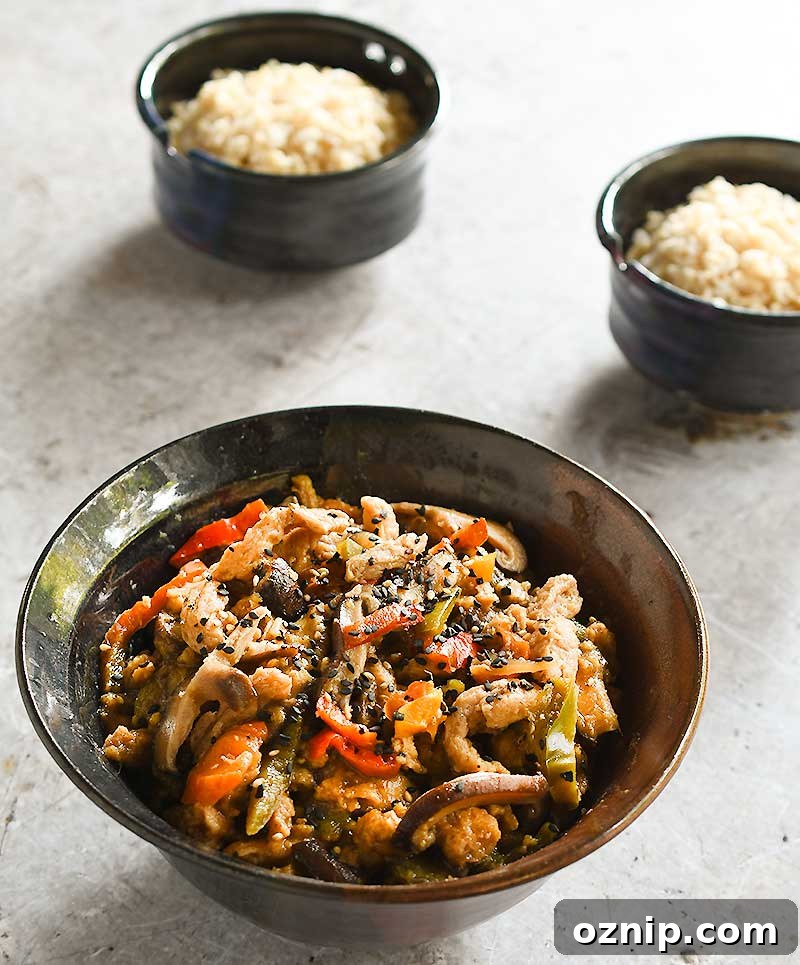
Originally, teriyaki described a cooking method in which foods are broiled or grilled with a glaze. The sauce we recognize today evolved through cultural blends—especially in places like Hawaii—where soy sauce was combined with fruit juices and sweeteners to form a glossy, syrupy glaze. My version keeps the bold flavors but swaps refined sugar for dates and uses soy curls instead of chicken, making it lighter and more plant-focused.
This recipe is flexible: add more vegetables if you like, or increase the quantities to stretch the meal for extra servings. It works well over steamed brown rice, quinoa, or rice noodles, and keeps well for leftovers.
What can I serve with teriyaki?
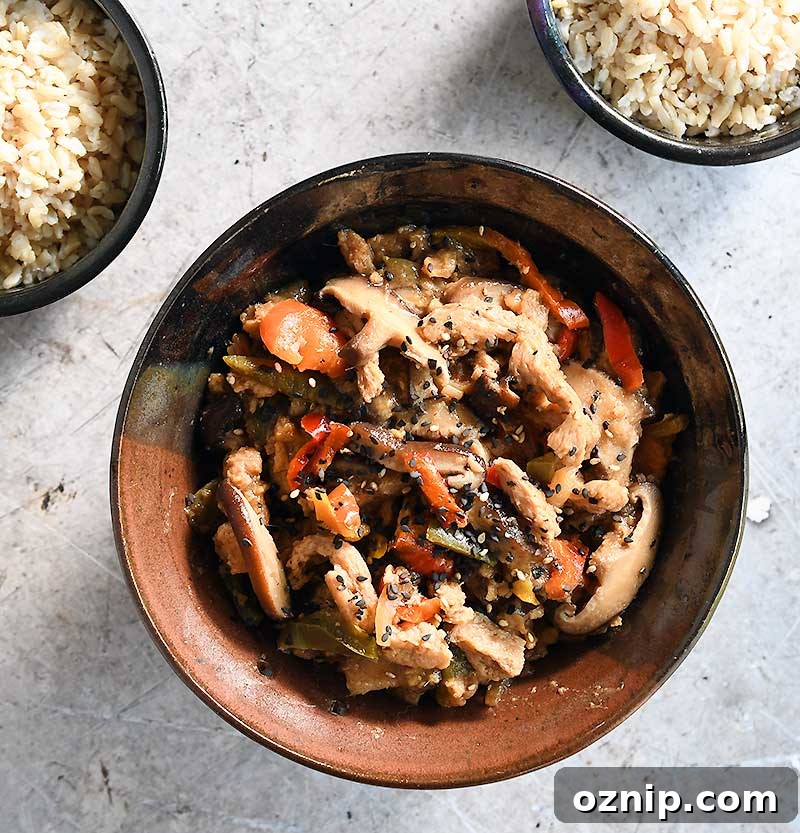
A classic base is steamed brown rice or quinoa to soak up the sauce. Cold sides, like sesame cucumber noodles, are great starters and can be prepared ahead of time. For a more varied dinner, pair the soy curl teriyaki with a spicy cauliflower stir-fry or garlicky broccoli to create a full, restaurant-style spread.
If you want more plant-based sides, roasted or steamed greens and lightly dressed salads balance the richness of the teriyaki well. The sauce is also delicious over noodles for a quick weeknight meal.
Soy Curls vs. tofu
Although both come from soybeans, soy curls and tofu differ in texture and use. Tofu has a dense, cheese-like consistency, while soy curls mimic the fibrous texture of shredded chicken. Both are neutral in flavor and benefit from sauces or marinades.
If you prefer tofu for this recipe, use extra-firm, high-protein tofu or press firm tofu before cooking. Dust tofu lightly with cornstarch and air-fry or bake until crisp, then toss with the vegetables and teriyaki sauce for great texture and flavor.
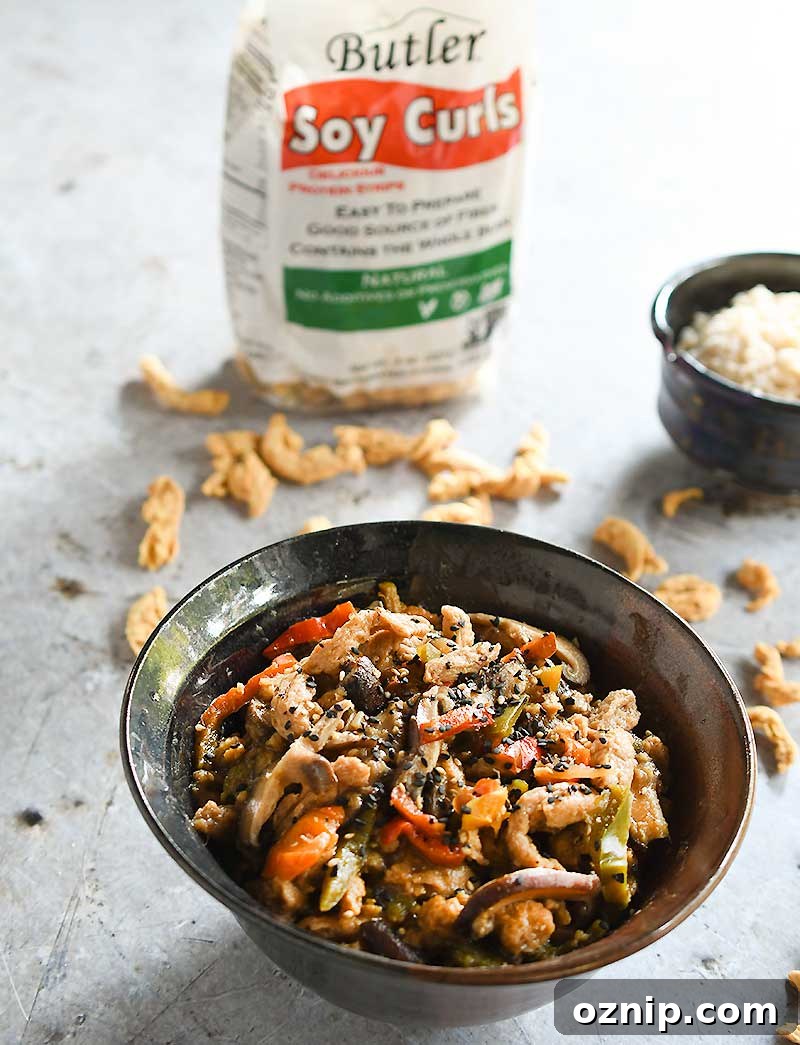
Where can I buy soy curls?
Availability varies by region. Soy curls are sold by a few specialty manufacturers and can often be ordered online or found in natural foods stores. They’re commonly stocked in some grocery stores in the Pacific Northwest and in select co-op or specialty markets.
How do I store soy curls?
Store dry soy curls in a cool, dry pantry and use them within a month or two for best quality. Because they contain no preservatives, they can be stored in the freezer for up to six months if you don’t plan to use them quickly.
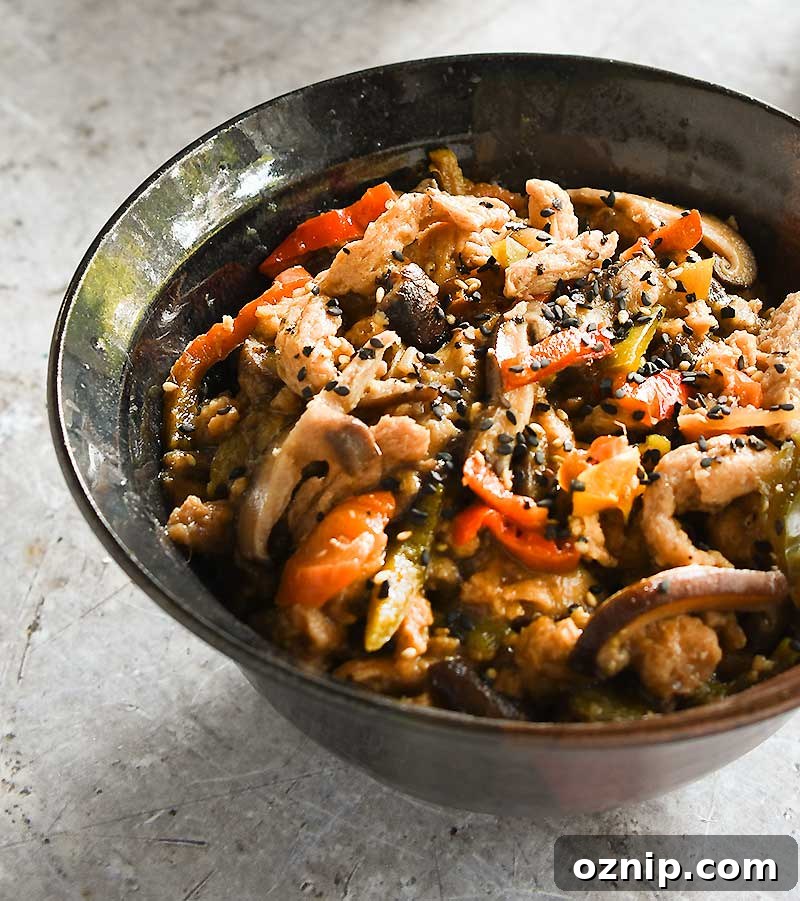
Date Sweetened Teriyaki Soy Curls
The sauce is made from simple, wholesome ingredients: water, pitted dates soaked in water, gluten-free soy sauce or coconut aminos, rice vinegar, fresh grated ginger, and a bit of nutritional yeast for extra umami. A small amount of cornstarch (or arrowroot) thickens the sauce to a glossy finish.
For the sauté, I use onions, bell peppers, and mushrooms, but any mix of vegetables will work. Frozen tricolor peppers are convenient and add color and flavor. Rehydrated soy curls absorb the sauce beautifully and provide a meaty texture.
Prepare a batch of steamed brown rice, quinoa, or rice noodles to serve as a base for the soy curls and sauce.
How do you make teriyaki sauce from scratch?
Place the blender ingredients in a high-speed blender and blend until completely smooth. Reserve 1/4 cup of the blended sauce and whisk the cornstarch into that reserve to create a slurry for thickening.
Sauté the vegetables until tender, add the soy curls and the remaining sauce, and simmer until the sauce reduces slightly. Stir in the cornstarch mixture and cook a minute or two more until the sauce reaches your desired thickness. Serve immediately over rice or noodles.
Is teriyaki Japanese or Hawaiian?
Teriyaki has roots in Japanese cooking techniques but has been adapted and popularized in places like Hawaii, resulting in a fusion style. Over time, regional variations incorporated fruit juices and different sweeteners, so modern teriyaki can reflect both Japanese and Hawaiian influences.
How do I thicken teriyaki sauce without cornstarch?
If you avoid cornstarch, alternatives include arrowroot, tapioca starch, or potato starch. For those who can use oil, a light roux made with a neutral flour and a little oil will also thicken the sauce. Choose the thickener that best fits your dietary needs and texture preferences.
Does teriyaki sauce have gluten?
Many commercial teriyaki sauces and restaurant versions contain gluten due to wheat-based soy sauce. For a gluten-free option, use tamari or coconut aminos labeled gluten-free. When dining out, ask about gluten-free soy sauce alternatives.
Is teriyaki sauce vegan?
Traditional teriyaki contains no fish-based ingredients, but some store-bought sauces may include honey. My date-sweetened teriyaki is fully vegan and simple to make at home, avoiding hidden animal-derived ingredients.
Is teriyaki sauce bad for dogs?
The ingredients in this homemade sauce are not toxic to dogs in small amounts, but the sauce is sweet and concentrated. Avoid giving large portions to pets; a small taste is unlikely to harm most dogs, but it’s best to consult your veterinarian for specific concerns.
How do I store teriyaki soy curls?
Store leftovers in a covered container in the refrigerator for up to five days. You can also freeze portions for longer storage. Freezing a batch is a convenient way to have a ready-made meal on busy days.
Want more Butler soy curl recipes?
There are lots of great ways to use soy curls. Try them in Pad Thai, bean and soy curl chilies, oil-free butter-style curry, General Tso–style dishes, or quick tacos. For a crispy option, coat soy curls lightly with cornstarch and bake or air-fry until golden—serve them over mashed potatoes with oil-free gravy and greens for a comforting, whole-food meal.
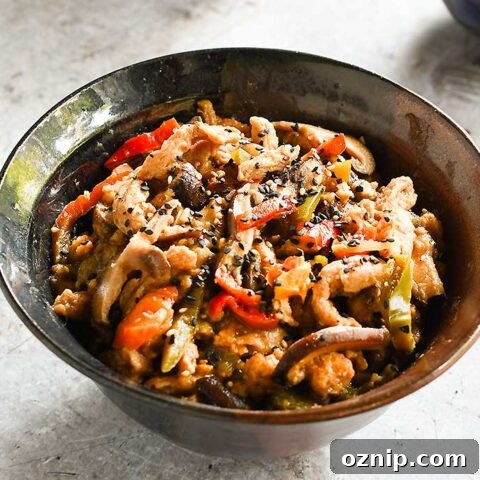
Date Sweetened Teriyaki Soy Curls
4 servings
20 minutes
15 minutes
35 minutes
This oil-free, sugar-free teriyaki sauce is easy to make and stores well. Use it on rehydrated soy curls, steamed vegetables, or noodles for a quick, satisfying meal.
Ingredients
For the Blender:
- 1 cup water
- ½ cup pitted dates soaked in 1 cup water for at least 2 hours
- ⅓ cup soy sauce, tamari, or coconut aminos
- ¼ cup rice vinegar
- 2 tablespoons grated ginger
- 2 tablespoons nutritional yeast
- For Thickening:
- ¼ cup reserved sauce
- 2 teaspoons organic cornstarch (or arrowroot)
For the Sauté:
- 1 cup frozen sliced onion and peppers or equivalent fresh
- ½ cup sliced shiitake or button mushrooms
- ½ package soy curls (about 2 cups rehydrated)
For Serving:
- Steamed brown rice, quinoa, or rice noodles
Instructions
- Blend all blender ingredients until smooth. Reserve ¼ cup of the sauce and whisk the cornstarch into that portion to make a slurry.
- Sauté onions and peppers in a large nonstick skillet over medium-high heat until the onions are translucent, adding a little water as needed to prevent sticking.
- Add the mushrooms and cook a few minutes more until tender.
- Stir in the remaining sauce and the rehydrated soy curls.
- Simmer until the sauce reduces slightly, then stir in the cornstarch slurry and cook until the sauce thickens to your liking. Serve over rice or noodles.
Notes
You can add more vegetables—snap peas, broccoli, or carrots work well. For a gluten-free version, use tamari or coconut aminos. To make the sauce thinner, reduce the cornstarch or omit it entirely.
Nutrition Information
Yield 4
Serving Size 1
Amount Per Serving
Calories 163
Total Fat 1g
Saturated Fat 0g
Cholesterol 0mg
Sodium 1513mg
Carbohydrates 34g
Fiber 5g
Sugar 17g
Protein 7g
Nutrition information is an estimate. For specific dietary concerns, calculate using the exact ingredients you use or consult a nutrition professional.
Did you make this recipe?
Share your experience or post a photo to social media and tag the recipe creator.