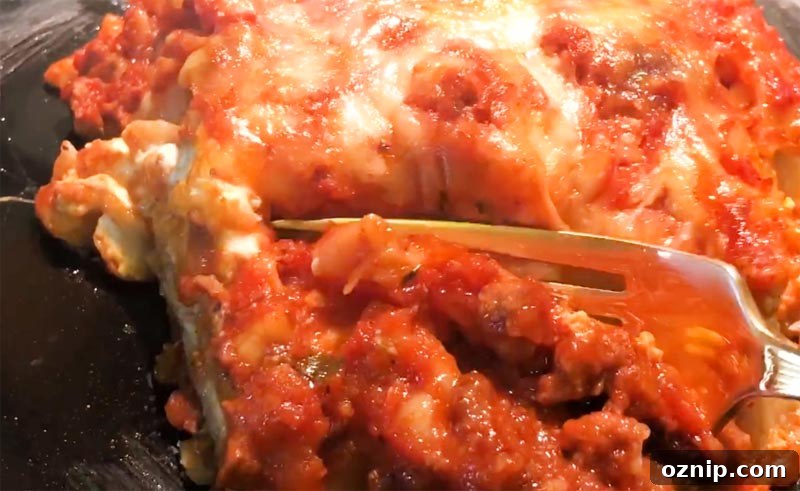
Over the years I am often asked how to cook lasagna noodles without boiling them on the stove. Some people want a quicker, less fussy method; others want to avoid breaking delicate noodles or simply don’t have a pot large enough. This casserole-dish method prevents breakage, reduces stress, and eliminates the need for a large stock pot. It also saves a bit of time: heating two quarts of water and pouring it over the noodles takes less energy and time than filling and boiling a large pot. I hope you find this approach useful and easy to follow.
Inspiration:
Sometimes cooking choices are driven by what’s in the pantry rather than a sudden craving. I had several boxes of gluten-free lasagna noodles taking up space after switching my regular pasta to brown rice varieties. With two boxes of lasagna noodles on hand and a husband whose birthday dinner I owed him, I decided to make lasagna. This method allowed me to prepare the noodles without a large pot and minimized the chance of broken noodles—exactly what I needed that week.
Prep Time: 19 minutes
Cook Time: 55 minutes
Total Time: 1 hour, 29 minutes
Yield: Makes 6 – 8 servings
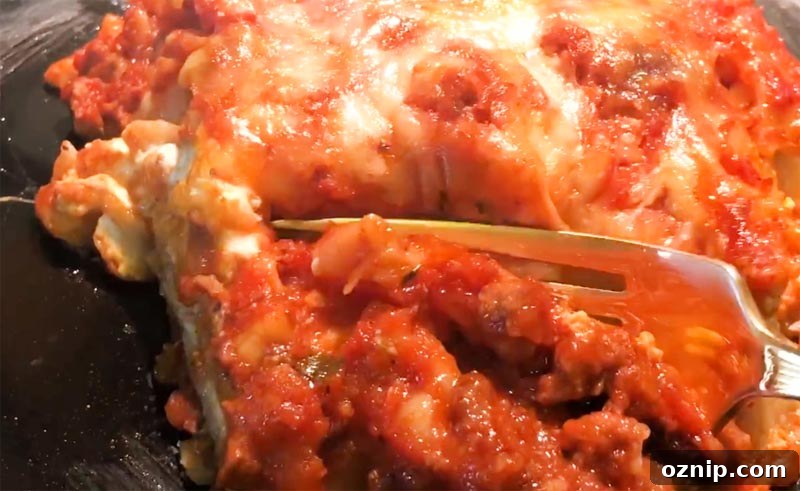
A step-by-step gluten-free lasagna method that avoids stove-top boiling and prevents broken noodles. Practical, time-saving, and ideal when you lack a very large pot.
Ingredients:
- 2 quarts water
- 1 package gluten-free lasagna noodles (for example, Tinkyada or another sturdy brand)
- 2 teaspoons neutral-flavored oil (vegetable, canola, or light olive oil)
- 4 cups gluten-free Italian Bolognese or your favorite gluten-free spaghetti/meat sauce
- 8 ounces gluten-free ricotta cheese (or pureed gluten-free cottage cheese or cream cheese plus 1/4 cup milk)
- 12 ounces shredded mozzarella cheese, or as needed
- 1/4 to 1/3 cup grated aged Parmigiano Reggiano or grated Parmesan cheese
Instructions:
- Bring 2 quarts of water to a vigorous boil. Place the lasagna noodles in a 9 x 13-inch casserole dish and carefully pour the boiling water over them so they are fully submerged.
- Add about 2 teaspoons of neutral oil to the hot water and gently lift and separate the noodles using a dull tool such as a silicone spatula or silicone-tipped tongs. Move the noodles so the oil coats each one; this step helps prevent them from sticking together. Set the dish aside and allow the noodles to soak for about 20 minutes.
- After soaking, rinse the noodles under cold running water three or four times to stop the cooking and make them easy to handle.
- Preheat the oven to 375°F (190°C) and position a rack in the center. Spread about 3/4 cup of sauce across the bottom of a clean casserole dish.
- Build the lasagna in layers: place a single layer of noodles over the sauce, spread some ricotta (or your chosen substitute) across the noodles, sprinkle with mozzarella, and spoon a little sauce on top. Repeat this layering process—noodles, ricotta, mozzarella, sauce—until the noodles are used. Finish by topping the final noodle layer with about 1 1/2 cups of sauce and a generous layer of shredded mozzarella, followed by the grated Parmigiano Reggiano or Parmesan.
- Cover the assembled lasagna first with parchment paper and then loosely with aluminum foil. The parchment prevents condensation from the foil from dripping onto the lasagna and keeps the top from getting overly wet. Bake covered for 25 minutes.
- Remove the foil and parchment and bake uncovered for an additional 25 minutes, or until the cheese is bubbly and lightly browned.
- Allow the lasagna to rest for 15 minutes before cutting and serving. If you need to rewarm servings later, microwave them briefly or cover and reheat the lasagna in a 350°F (175°C) oven until warmed through.
Tips
Dairy-Free Ricotta Substitute: Puree 1/4 cup cashews (or sesame seeds for a nut-free option) with 2 tablespoons nutritional yeast, 2 tablespoons oil, 1/4 teaspoon salt, 14 ounces drained and crumbled extra-firm tofu, and seasonings such as fresh basil, parsley, garlic, or onion to taste. Adjust salt and herbs to complement your sauce.
Dairy-Free Cream Cheese and Mozzarella Options: Popular dairy-free cream cheese brands can work in place of regular cream cheese if you choose that texture. For dairy-free mozzarella-style shreds, try widely recommended plant-based brands designed for melting; follow package instructions for best results.
Extra Notes: Using parchment between the lasagna and foil reduces sogginess from condensation. If your noodles are slightly longer than the dish, overlap them minimally; they will soften and settle during baking. This soak-and-rinse approach is ideal for gluten-free lasagna noodles that can be brittle when boiled vigorously in a pot.