
This Fluffy Doughnuts recipe shows you how to make the best fried yeast doughnuts at home—soft, moist and light, using a simple, straightforward method that fits into a morning or an afternoon baking session.
Soft, fluffy doughnuts are a classic comfort treat. Making them from scratch means you control the freshness, texture and flavor. The key is a well-hydrated, properly kneaded dough and careful handling during shaping, proofing and frying. Follow the steps below for reliable, delicious results.

Why you’ll love this soft and fluffy doughnuts recipe
- Quick and easy: makes soft raised doughnuts in under two hours.
- Minimal ingredients: only seven basic pantry items for the dough.
- No special cutters required: you can shape each doughnut by hand.
- Great texture: pillowy interior with a thin golden crust when fried.
Ingredients
For the dough
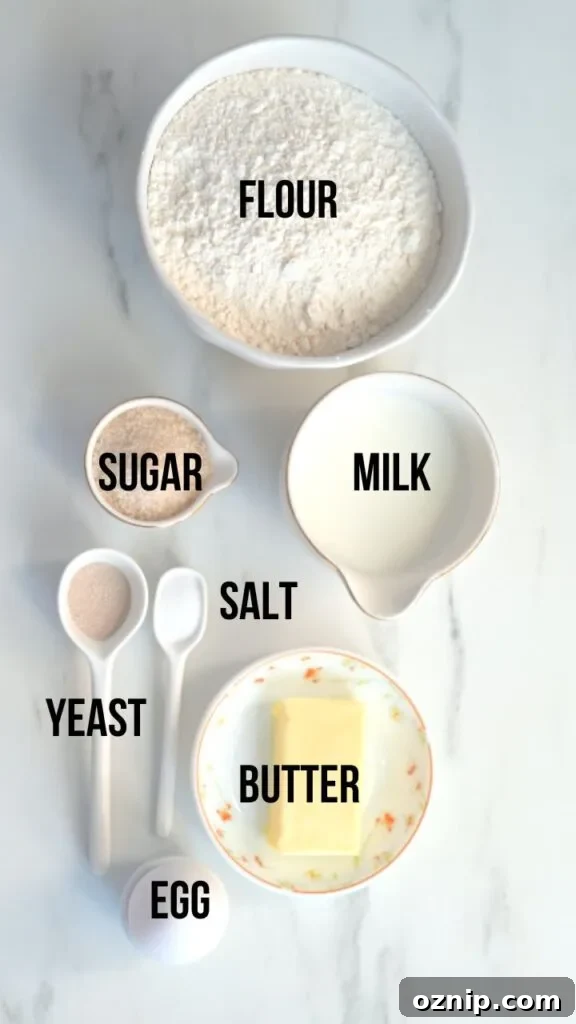
- All-purpose or bread flour: 390 g (about 3 cups, loosely packed)
- Milk or water: 165 ml (about 3/4 cup + 1 tbsp)
- Unsalted butter, softened: 50 g (about 3.5 tbsp)
- 1 large egg, at room temperature
- Sugar: 50 g (about 1/4 cup)
- Salt: 4.5 g (about 3/4 tsp)
- Instant or active dry yeast: 3 g (about 1 tsp)
For the glaze
- Powdered sugar: 112 g (about 1 cup)
- Vanilla extract or vanilla sugar: 4.5 g (about 1 tsp)
- Milk or water: 30 ml (about 2 tbsp), adjust for desired consistency
How to make fluffy doughnuts
This recipe breaks down into four main stages: prepare the dough, divide and shape, proof, and fry.
- Prepare the dough
- Divide and shape the doughnuts
- Proof the doughnuts
- Fry and finish
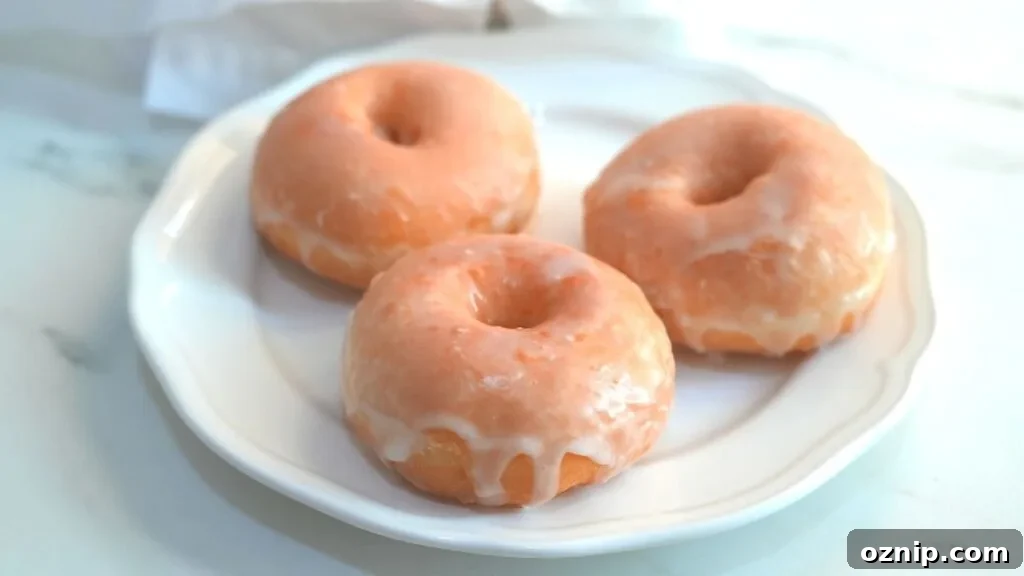
1. Prepare the dough
In a mixing bowl combine the milk (or water), sugar, salt, yeast and the room-temperature egg. Stir to combine. Add the softened butter and then add the flour. Mix until the ingredients form a shaggy mass.
Turn the dough out onto a clean surface and knead until smooth and elastic. This dough is not overly sticky, so it can be kneaded by hand for about 6–12 minutes. If the dough feels tight, add a tiny splash of water (about 1/2 tablespoon) and continue kneading until it becomes soft, supple and holds its shape.
Cover the dough and let it rest for 15 minutes. This relaxes the gluten and makes the dough easier to shape.
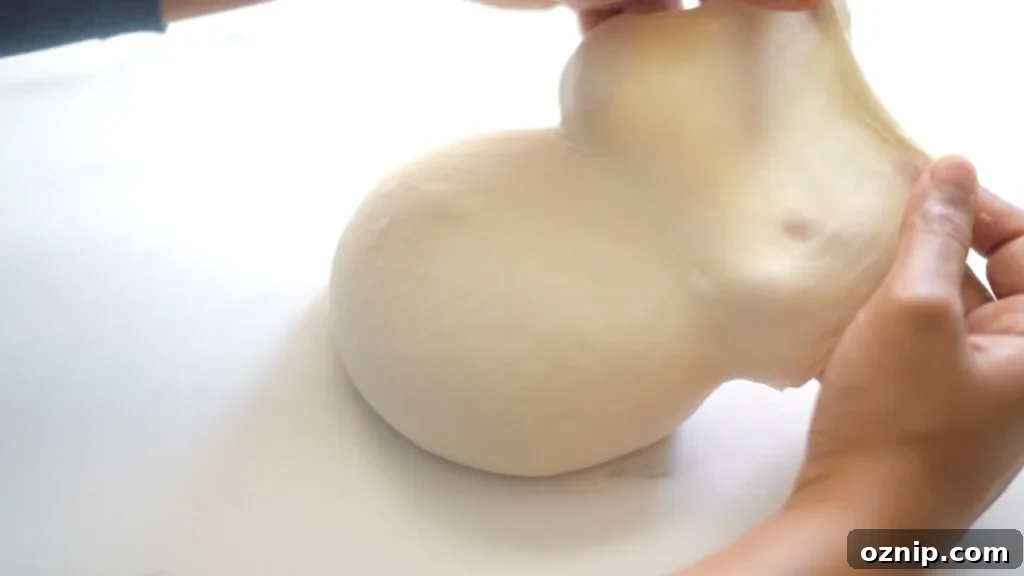
Checking kneading: the windowpane test
To check gluten development, stretch a small piece of dough. If it stretches into a thin, translucent membrane without tearing, it has been kneaded sufficiently. Bread flour reaches this stage faster than all-purpose flour, but a dough that doesn’t fully pass the test will still produce pleasant doughnuts—passing the test improves the likelihood of particularly light, even crumb.
2. Divide and shape the dough
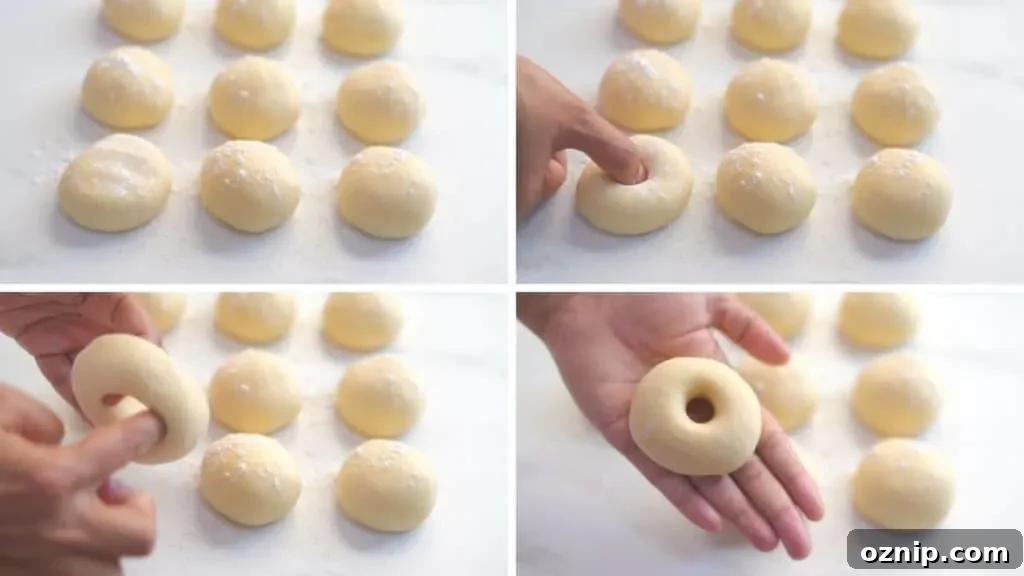
After the rest, divide the dough into 12 equal pieces (about 59–60 g each if you want precision). Flatten each piece slightly, tuck the edges underneath and roll into smooth balls. Cover with a towel and rest for another 15 minutes.
Final shaping
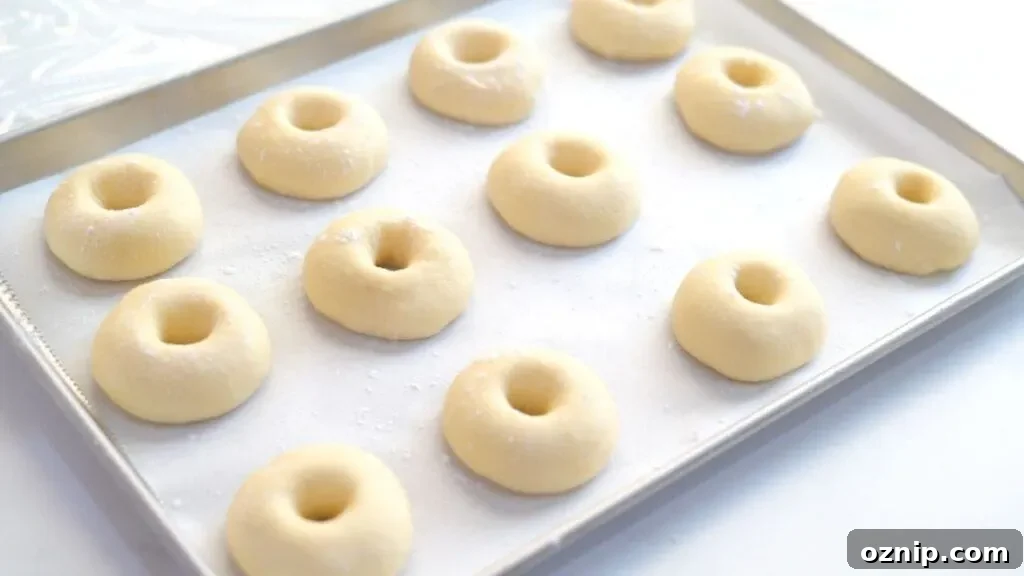
Lightly flour the work surface and press each ball flat a little. Press a small hole in the center with your thumb and gently widen it with your fingers to form the ring shape. Place shaped doughnuts on a parchment-lined tray, dust lightly with flour to prevent sticking, and cover with plastic wrap for proofing.
3. Proof the doughnuts
Let the shaped doughnuts rise in a warm place for 35–40 minutes, or until they look light and puffy. They should be noticeably larger and soft to the touch.
4. Fry the raised doughnuts
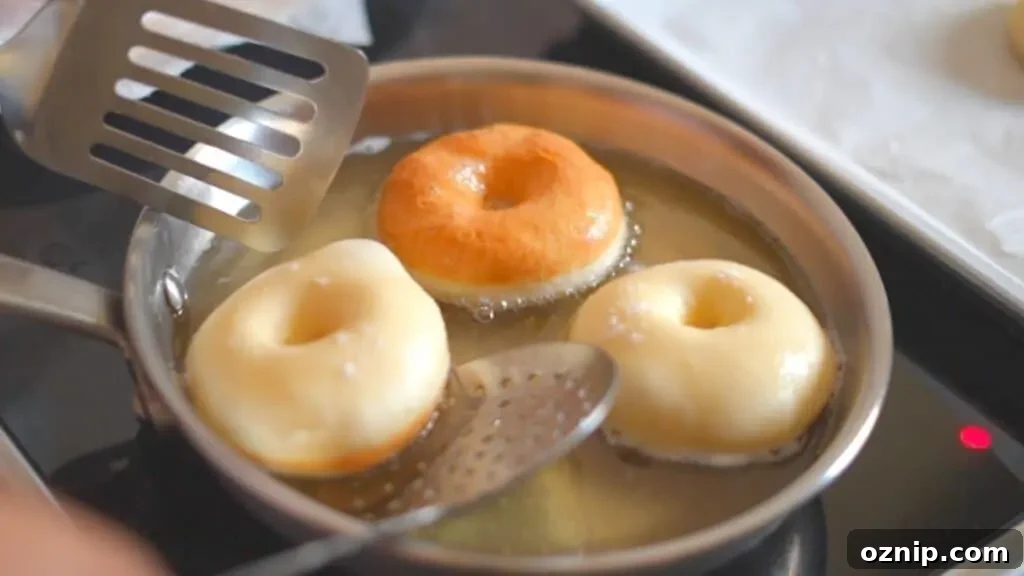
Heat vegetable oil in a pot or deep fryer to a steady 350°F (175°C). Use enough oil so the doughnuts can float and cook evenly. Fry a few at a time without overcrowding, about 1.5 minutes per side, until golden brown. Turn gently so they brown evenly.
Transfer fried doughnuts to paper towels to drain excess oil and cool slightly before glazing or coating.
Frying tips
- Monitor oil temperature: too hot will brown the exterior before the center cooks, too cool will make them greasy.
- Fry in batches and avoid crowding—this keeps the oil temperature stable and prevents uneven coloring.
- Use a shallow open pan for more even results if you notice uneven rims when using very deep pots.
Glaze for homemade doughnuts
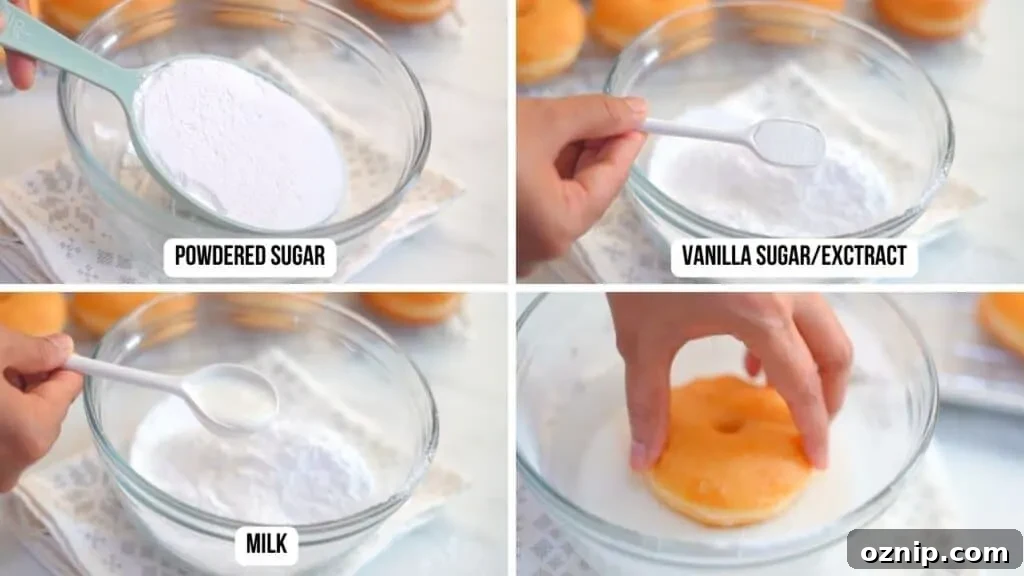
To make a simple glaze, sift 1 cup (112 g) powdered sugar into a bowl. Stir in 1 tsp vanilla and 1–2 tbsp milk or water until you reach the desired consistency. Dip the cooled doughnuts and let the glaze set on a wire rack for 15–30 minutes.
Variations
Eggless: Replace the single egg with about 3 tablespoons (45 ml) of additional milk or water.
Dairy-free: Substitute water for milk and use a neutral vegetable oil in place of butter, in equal volume.
Storage
Room temperature: Store completely cooled doughnuts in an airtight container for 1–2 days. Refrigeration can extend to 3–4 days but may change the texture.
Freezer: Cool completely, wrap individually in plastic wrap, then place in a freezer bag or airtight container. Frozen doughnuts keep well for 2–3 months. Thaw at room temperature and refresh briefly in a low oven if desired.
Recipe summary
Yield: 12 doughnuts | Prep time: about 16 minutes | Cook time: about 14 minutes | Resting and proofing: about 1 hour 10 minutes | Total time: about 1 hour 40 minutes
Tried this recipe?
If you make these doughnuts, note any tweaks you made and how they turned out—the small adjustments help you perfect the texture and flavor over time. Enjoy!