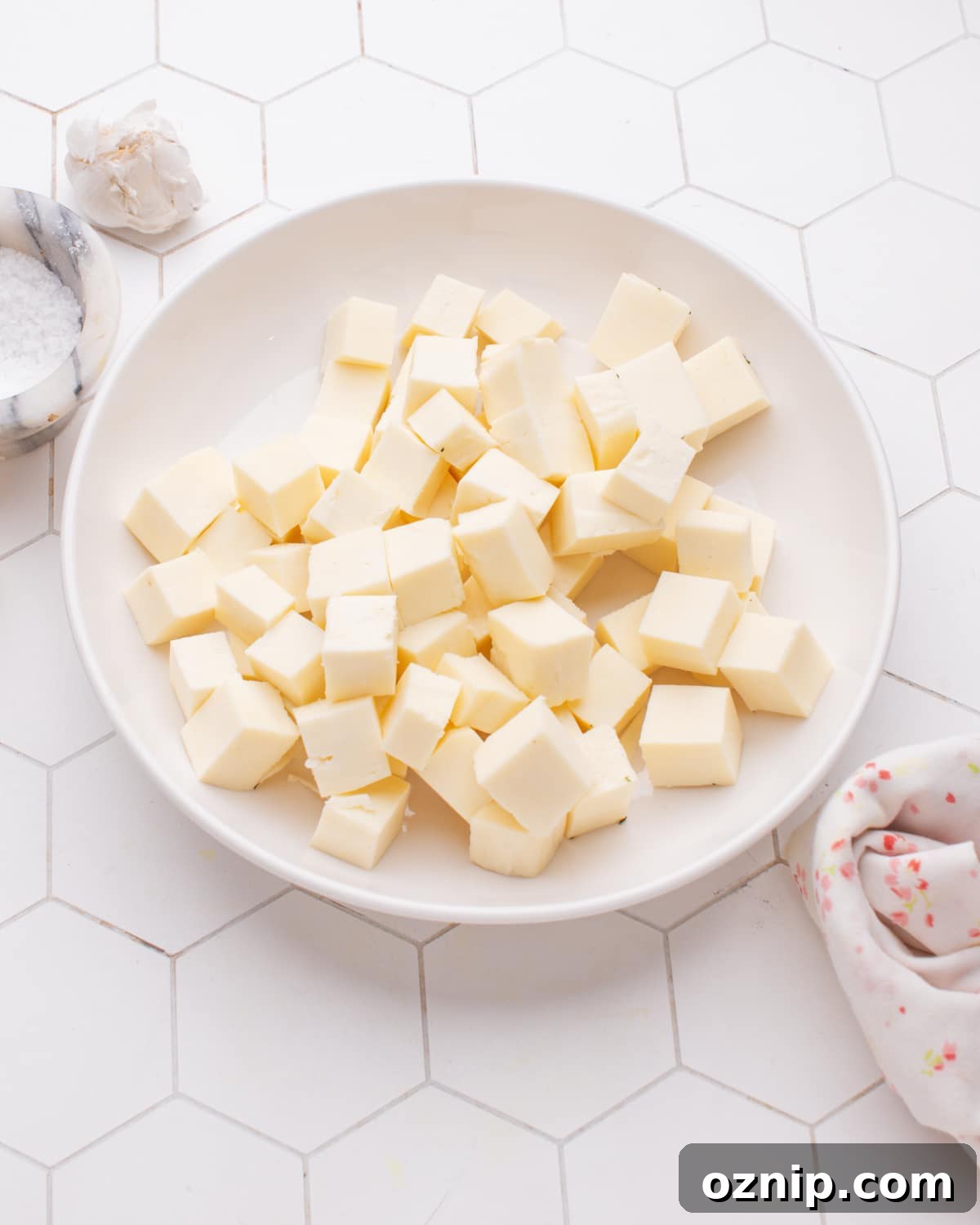
Wondering how to make paneer at home? You’re in the right place. This straightforward homemade paneer recipe uses only three ingredients, takes about 10 minutes of hands-on time, and requires no special equipment. Follow the steps below to make fresh, flavorful paneer with simple kitchen techniques.
Paneer 101
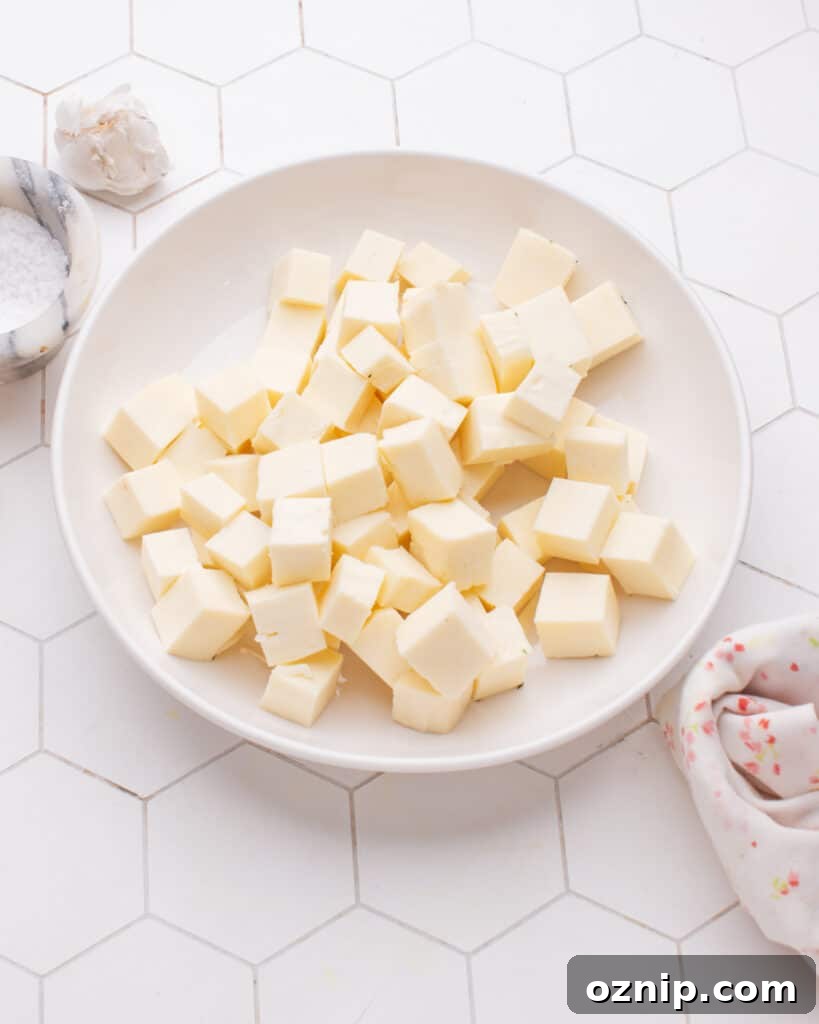
Paneer is a fresh, unaged cheese that’s a cornerstone of many Indian dishes. It has a mild, milky flavor and a firm, slightly chewy texture when pressed. Because it doesn’t melt, paneer holds its shape in curries, grills beautifully, and can be used in both savory and sweet preparations.
Making paneer is a simple process: heat milk, add an acid like lemon juice or vinegar to separate curds from whey, drain the curds in cheesecloth, then press them into a block. The result is a fresher, cleaner-tasting cheese than most packaged versions.
Here’s what You Need
Homemade Paneer Ingredients
Paneer requires just three basic ingredients:
- Whole milk: Full-fat cow’s milk is most common. Buffalo milk can be used for a richer result.
- Lemon juice (or vinegar): The acid that coagulates the milk into curds and whey. Yogurt or buttermilk can also work as alternatives.
- Salt: Optional but recommended — a pinch enhances flavor.
Variations and Substitutions
Small adjustments let you customize the paneer:
- Yogurt in place of lemon: Start with about ½ cup and add more if needed; yogurt is milder.
- Vinegar: A direct swap for lemon juice for reliable curdling.
- Heavy cream: Add up to ½ cup to the milk before heating for a richer texture.
Kitchen Equipment You’ll Need
- Large stockpot: To heat the milk without boiling over.
- Cheesecloth or clean towel: For straining curds — a fine mesh strainer is less effective.
- Weight and flat surface: A heavy skillet and cans or a weighted plate help press the paneer into a firm block.
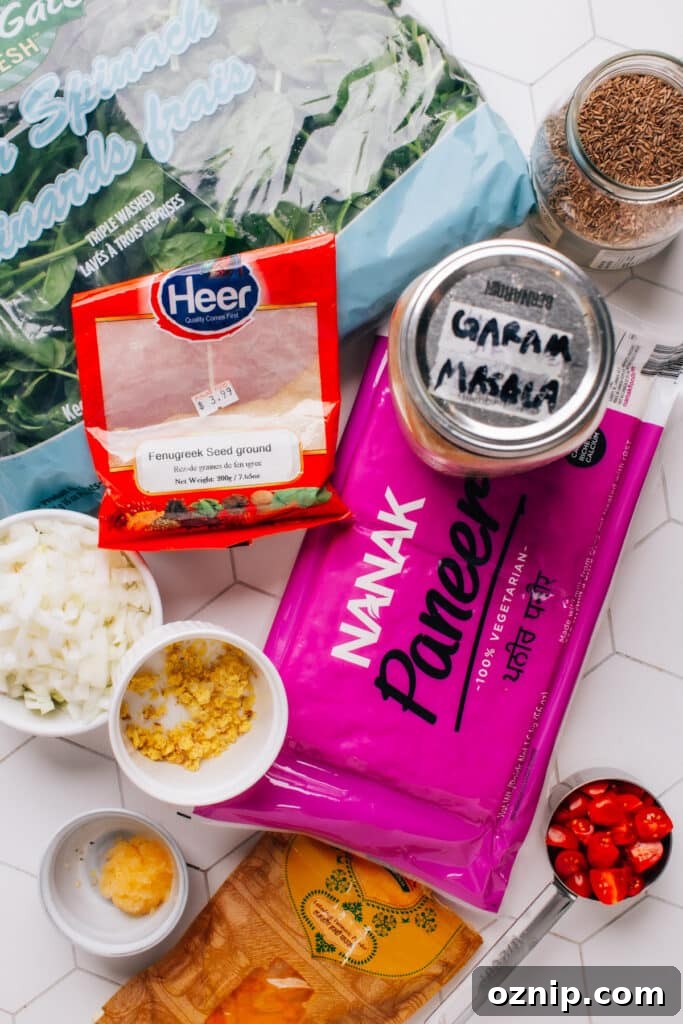
Store-bought paneer can be convenient but sometimes contains additives or has a rubbery texture. Homemade paneer is simple to make and tastes fresher.
Let’s make homemade paneer!
How To Make Paneer: An Easy Step-by-Step Guide
- Heat the milk: Pour whole milk into a large pot and warm it over medium heat. Watch the pot closely once steam appears — milk foams and can overflow quickly.
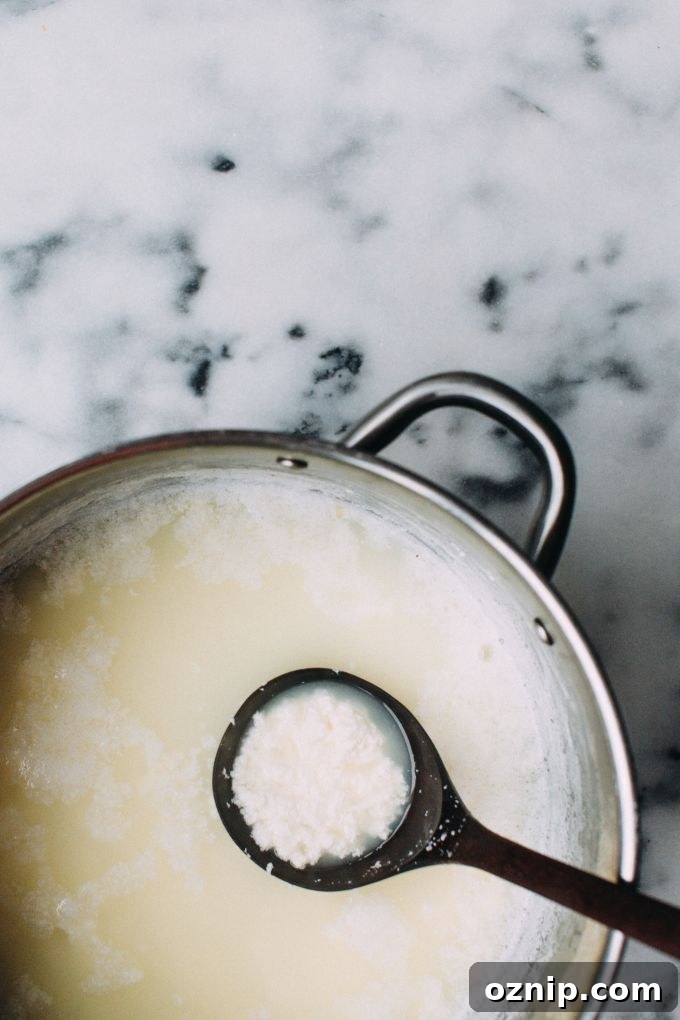
- Add the acid: When the milk reaches a boil, remove it from heat and stir in lemon juice or vinegar. Stir for about 30 seconds; curds should begin to form. If curdling is slow, add a little more acid.
- Let it rest: Allow the pot to stand for 10 minutes so curds fully separate from the whey.
- Strain: Line a colander with cheesecloth, muslin, or a clean open-weave towel. Pour the curdled mixture into the lined colander and let the liquid drain. Rinse briefly with cold water to remove any residual lemon flavor.
- Squeeze and season: Gather the cloth corners and twist to remove as much moisture as possible. Open the bundle, stir in a pinch of salt to taste, then rewrap and tighten into a compact ball. Tie a knot in the cloth.
- Press into shape: Place the wrapped paneer on a paper towel–lined plate with the knot to the side. Flatten it to create a uniform block, set a heavy skillet or a few cans on top, and press for about 20 minutes. The longer you press, the firmer the paneer.
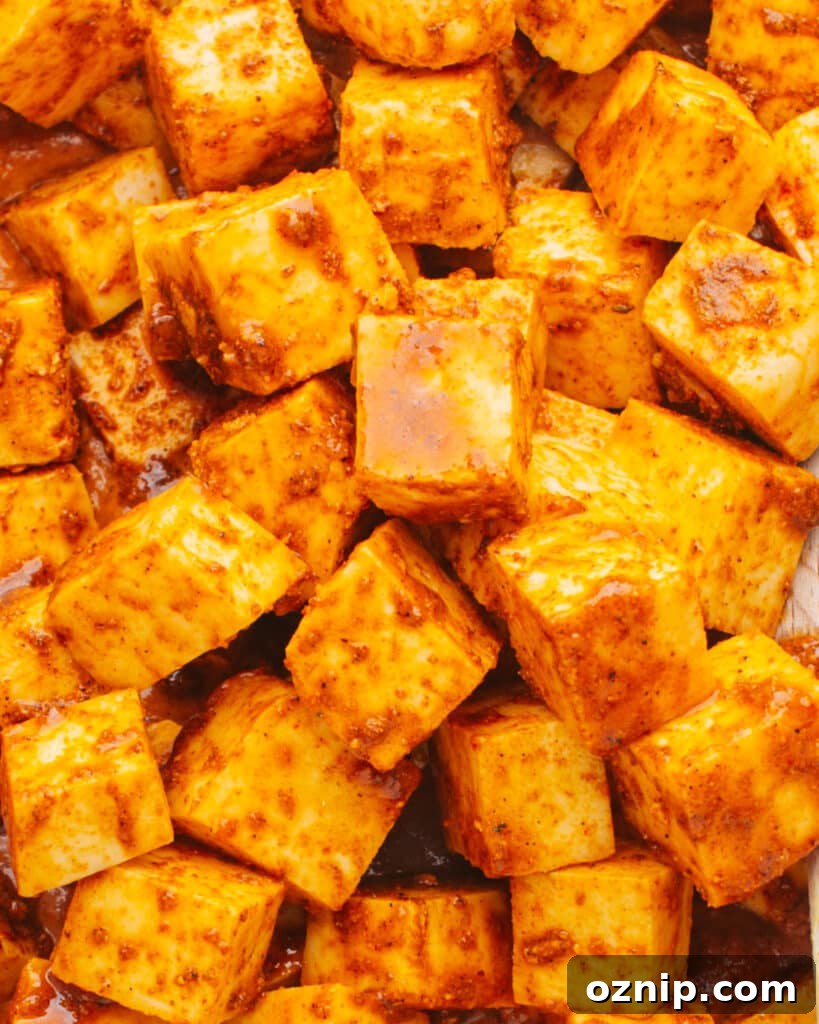
- Cut and use: Unwrap, slice or cube the paneer as needed and use in curries, grills or snacks.
That’s it — simple, fresh paneer ready for your favorite recipes. If you enjoy a softer texture, press less; for a denser brick, press longer with more weight.
Make-Ahead and Storage
Paneer stores well and can be prepared in advance:
- Refrigerate: Wrap the block tightly in plastic wrap or place it in an airtight container. It will keep in the fridge for up to a week.
- Refresh: If paneer becomes firm in the fridge, soak it in warm water for 5 minutes before using to soften it.
- Freeze: Paneer freezes acceptably, though texture may become slightly crumbly. For best results, freeze in portions: whole blocks wrapped tightly, or spread cubes on a sheet to freeze individually then transfer to bags.
Thaw frozen paneer overnight in the refrigerator or quickly in warm water. Frozen paneer works best in cooked dishes such as curries where texture changes are less noticeable.
FAQs About Making Paneer at Home
Quick answers to common questions:
How is paneer prepared?
Heat milk to a boil, add an acid to curdle it, strain the curds, and press them into a block.
Is homemade paneer good?
Yes. Homemade paneer is fresher, customizable in firmness and fat content, and often tastier than store-bought options.
Are cottage cheese and paneer the same?
No. Paneer is pressed into a firm block and can be cubed or sliced; cottage cheese remains loose and creamy with separated curds.
How much paneer does a gallon of milk make?
A gallon of milk (about 3.8 liters) typically yields around 1.5 to 2 pounds of paneer, depending on fat content and how thoroughly whey is drained.
Can I use low-fat milk?
Yes, but expect a lower yield and a less creamy texture than with whole milk.
What’s the best acid to use?
Lemon juice is the most popular for flavor and reliability. Vinegar or yogurt are also options, each affecting taste and texture slightly.
How long does it take?
Active time is short — about 10–30 minutes — plus 20 minutes or more of pressing. Total time is typically under two hours.
Dishes To Use Your Homemade Paneer
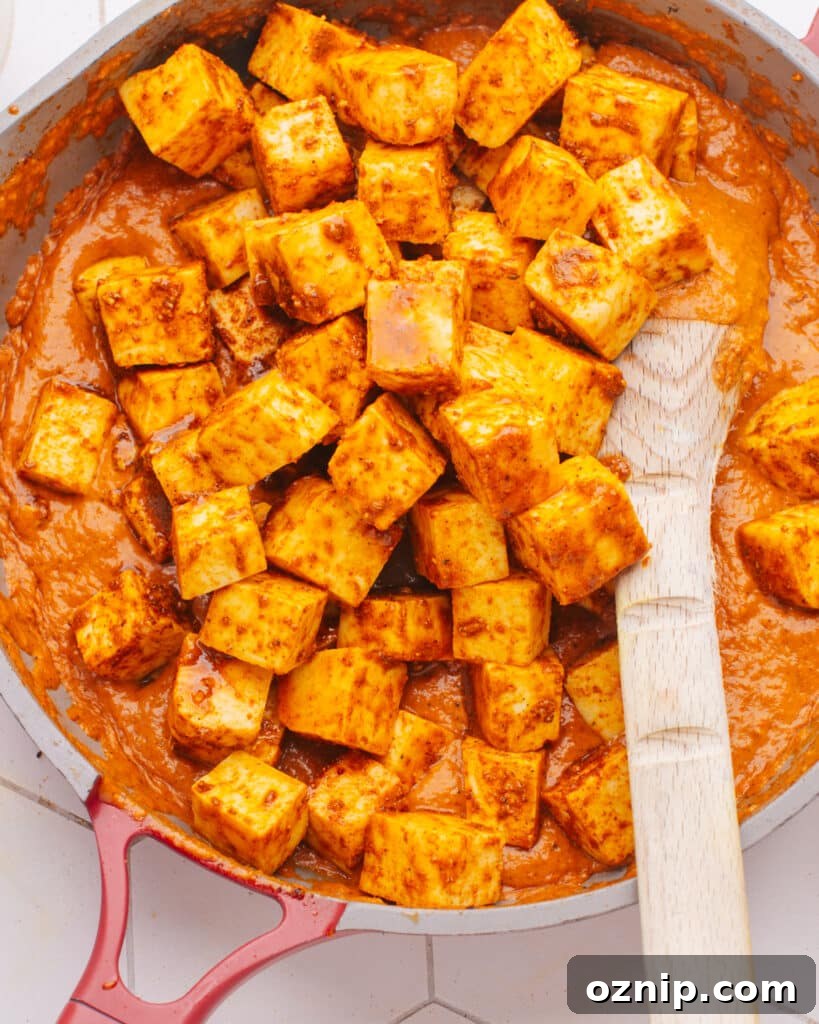
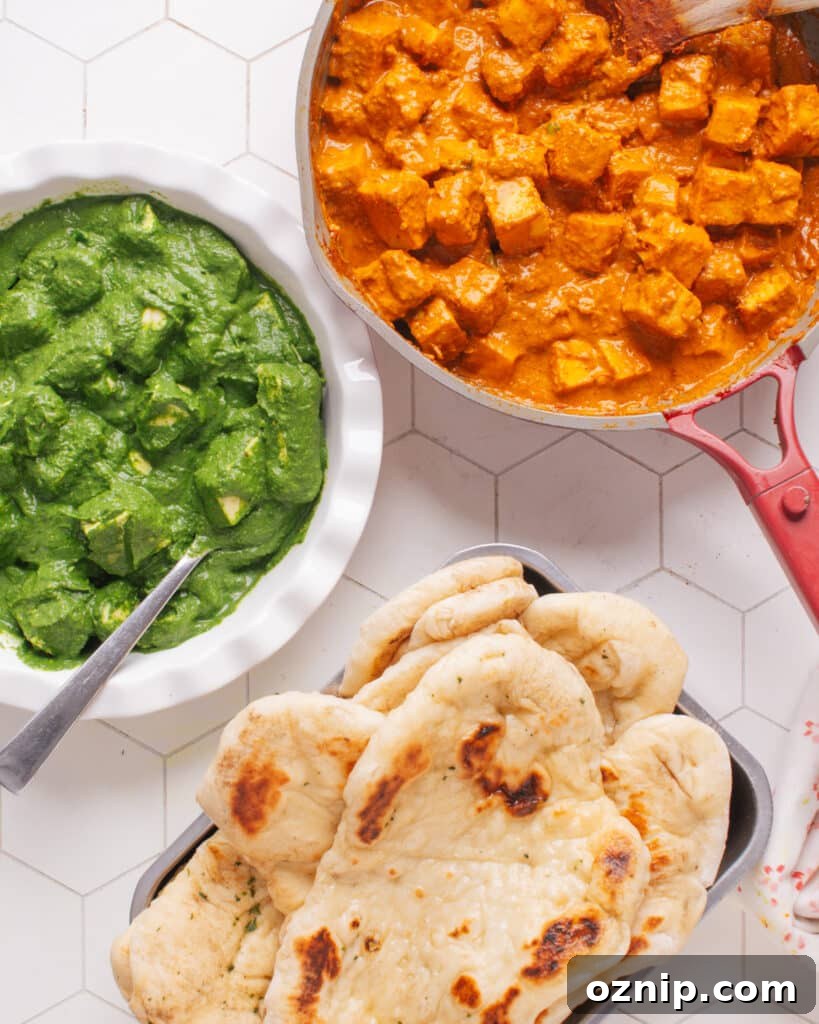
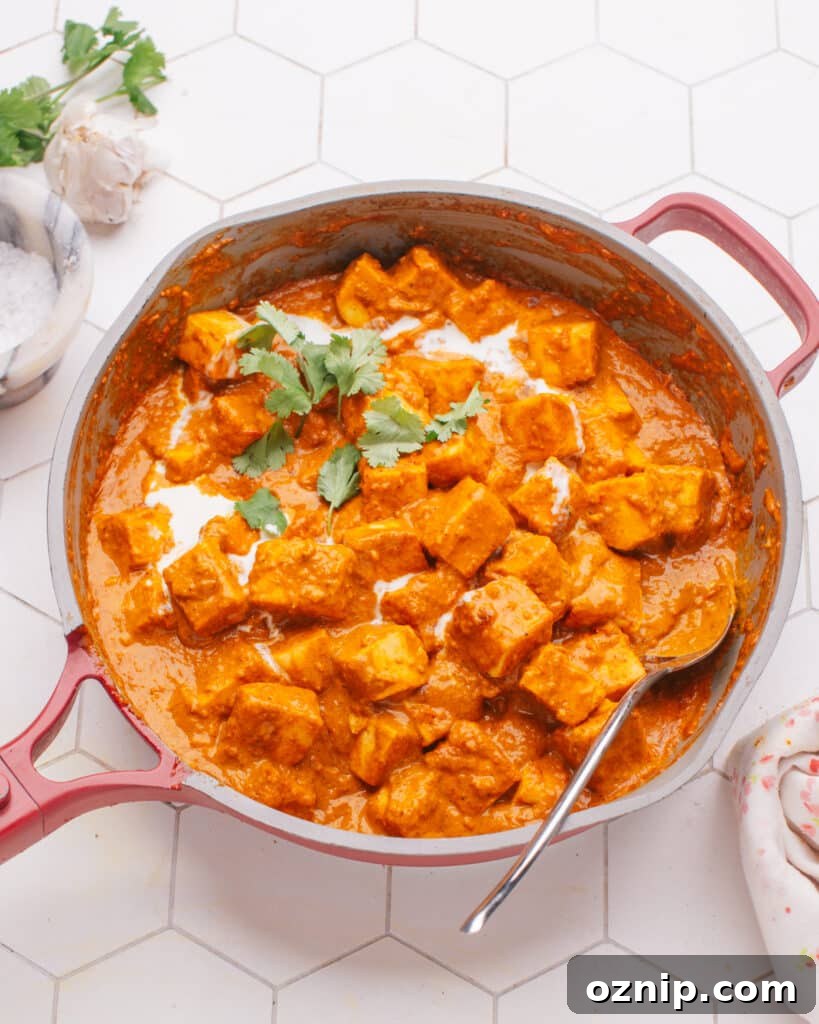
Fresh paneer is versatile. Use it in rich gravies with rice or flatbreads, grill it on skewers, or add it to salads and snacks. Classic uses include paneer butter masala, saag paneer, palak paneer, malai kofta, and paneer tikka. Homemade paneer also works well in stir-fries and sandwiches.
Recipe Summary
Ingredients: whole milk, lemon juice (or vinegar), salt.
Prep time: about 10 minutes active. Total time: 30–60 minutes including pressing. Serves: depends on milk quantity; typical yields are listed above.