
Learn how to make a smoothie in three easy steps. The result is a creamy, vibrant drink full of nutrients you can enjoy any time—quick, simple, and portable.

Making smoothies at home only takes a few minutes and offers many benefits:
Nourishing: Smoothies let you combine several nutrient-dense ingredients in a single serving so your body gets vitamins, minerals and fiber in an easy-to-digest form.
Delicious: With the right ratio of ingredients, you can create thick, creamy blends no matter what fruits or vegetables you prefer.
Healthy: Use the simple formula below to make balanced smoothies with a mix of liquids, produce, and optional add-ins for protein, fiber, and healthy fats.
Building Blocks of Smoothies
The guide that follows breaks the process into three clear steps: pick a liquid base, choose fruits and/or vegetables, and add extras to boost flavor and nutrition. Once you learn the basic formula, you can mix and match ingredients to create endless variations.
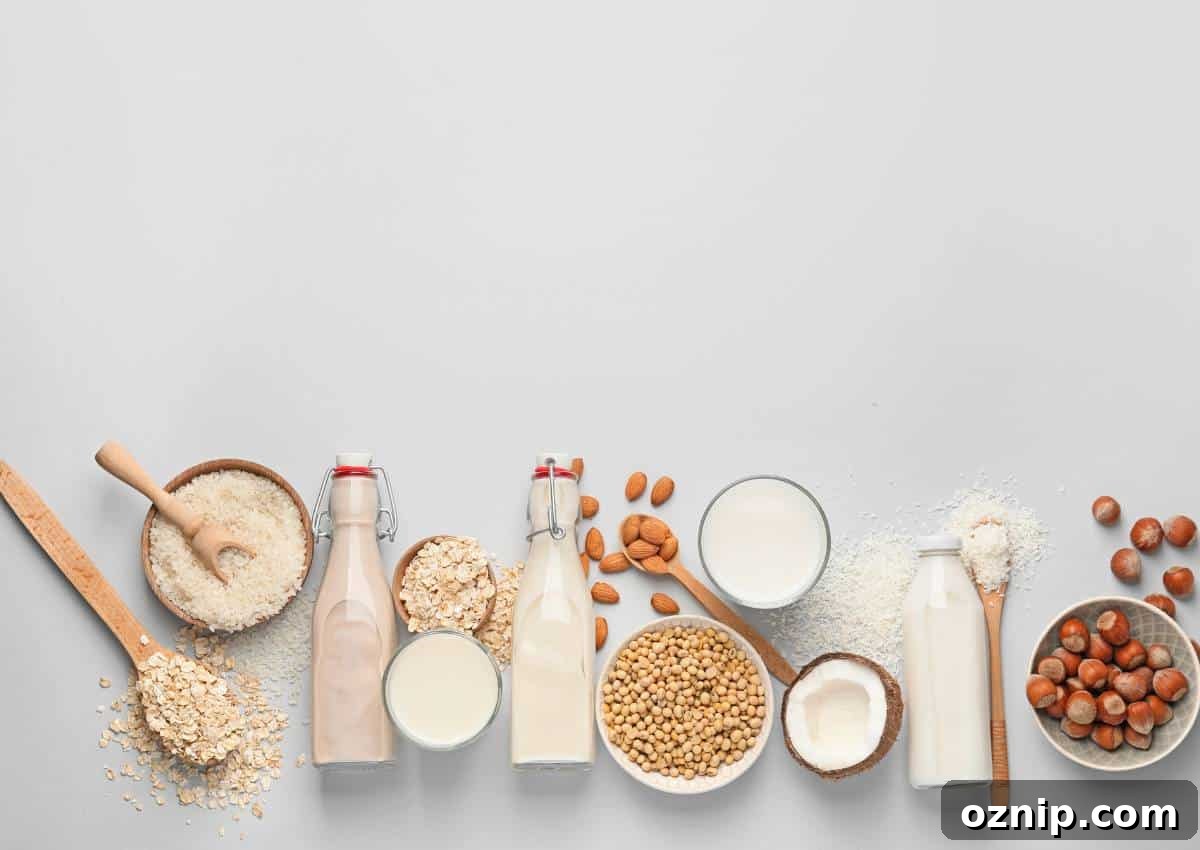
Choose a Liquid For Your Smoothie
Your liquid determines texture and flavor. Aim for about 1 to 1 1/2 cups of liquid per serving as a starting point, and adjust for thickness.
Milk: Cow’s milk provides protein and a creamy base if you tolerate dairy.
Full‑fat canned coconut milk: Use the canned variety for a rich, dairy-free option. Stir the cream into the liquid for a milk-like consistency if needed.
Almond milk: Choose unsweetened carton almond milk to control added sugars. Homemade almond milk is great too.
Other plant milks: Cashew, oat, rice, and soy milks all work—prefer unsweetened versions for better control of sweetness.
Kefir: A tangy, probiotic-rich option that adds creaminess and gut-friendly cultures.
Greek yogurt: Thick and protein-packed, yogurt creates a substantial, smooth texture.
Fruit juice: Juices like orange add sweetness and fruit flavor. Because they are sweeter, use them sparingly and taste as you go.
Coconut water: Excellent after a workout for hydration and natural electrolytes; pairs well with fruit juice.
My Pro Tip
Recipe Tip
Get the ratios right: For one serving, aim for 1 to 1 1/2 cups of liquid. You can combine liquids—milk with yogurt, for example—to get the texture you like.
Choose the Fruit and Vegetables to Add In
Pick fruits and vegetables based on flavor and nutrition. If you use a milk or yogurt base, fruit usually brings the best flavor. If your base is juice, you might use fewer fruits.
Spinach: Mild in flavor and full of vitamins A and K and iron. Baby spinach blends seamlessly without an obvious green taste.
Kale: More flavorful and fibrous than spinach. If your blender isn’t very powerful, kale can be gritty; finely chopping or using a high-performance blender improves texture.
My Pro Tip
Recipe Tip
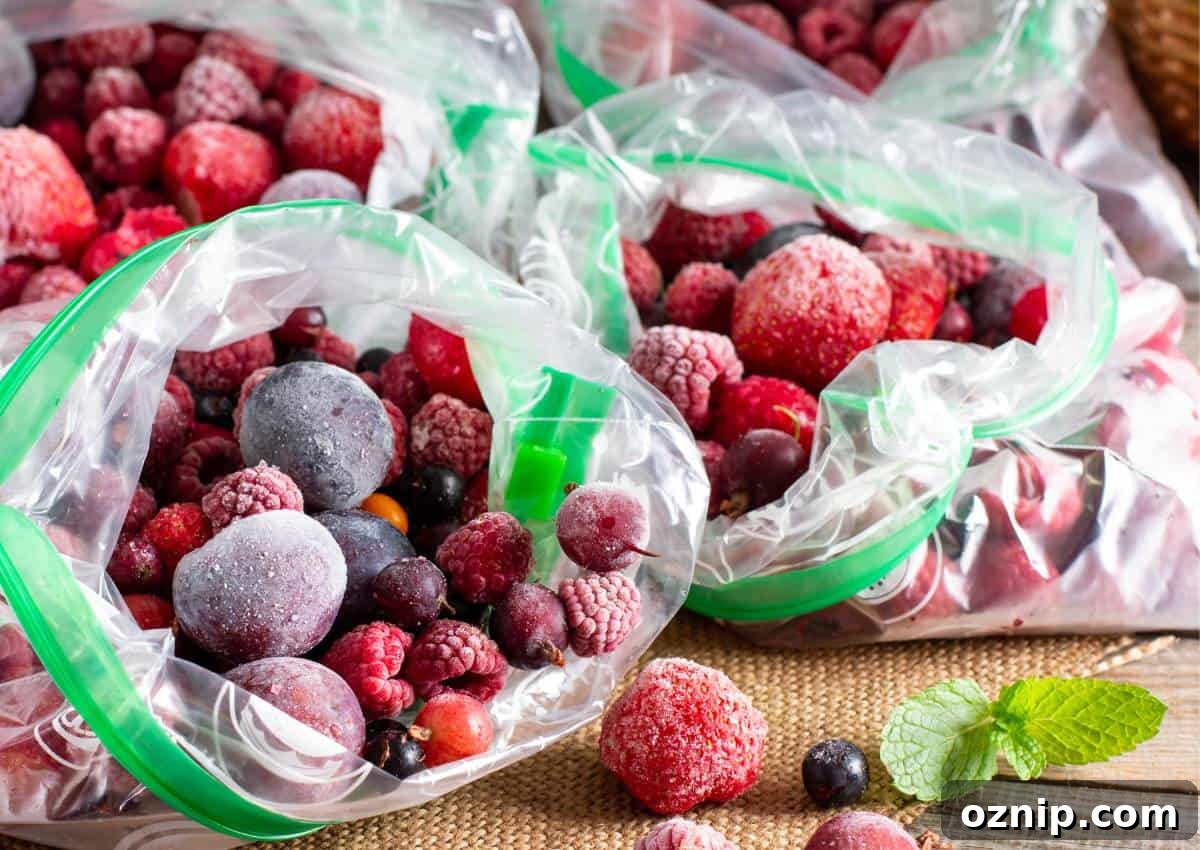
Always use some frozen fruit. Frozen fruit cools and thickens a smoothie without watering it down like ice.
Berries: All berries are excellent in smoothies. Frozen wild blueberries are especially antioxidant-rich and keep texture icy and thick.
Bananas: A staple for sweetness and creaminess. Frozen bananas give the thickest texture and natural sweetness without added sugar.
My Pro Tip
Recipe Tip
Rough ratios: For 1–1 1/2 cups liquid, about 4 cups packed greens or roughly 1 cup fruit works well, depending on whether your base is milk or juice.
Smoothie Extras and Add-Ins
Add-ins let you tailor texture, flavor, and nutrition. A few common extras:
Protein powder: Use whey or plant-based protein if you need extra protein—adjust scoops to meet your needs.
Nut butters: Peanut, almond, cashew, or seed butters add protein and healthy fat. Choose varieties without added sugar.
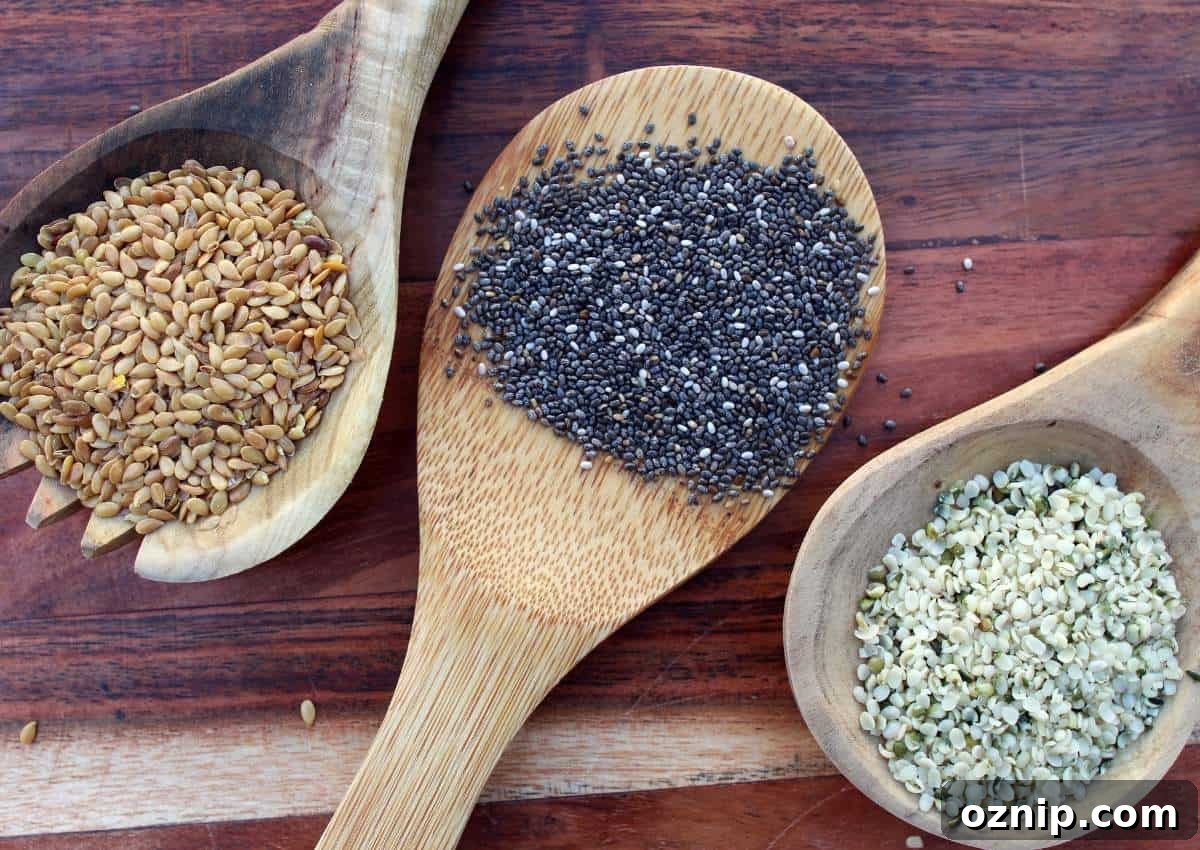
Chia, flax, and hemp seeds: Small tablespoons of these seeds add omega‑3s, protein, and fiber. Use ground flax for best nutrient absorption.
Oats: Add 2–4 tablespoons for a heartier, more filling smoothie; oats thicken the drink and provide lasting energy.
Medjool dates, maple syrup, or honey: Natural sweeteners. Start small and adjust to taste.
Extracts: A half teaspoon of vanilla or almond extract brightens flavors without adding bulk or calories.
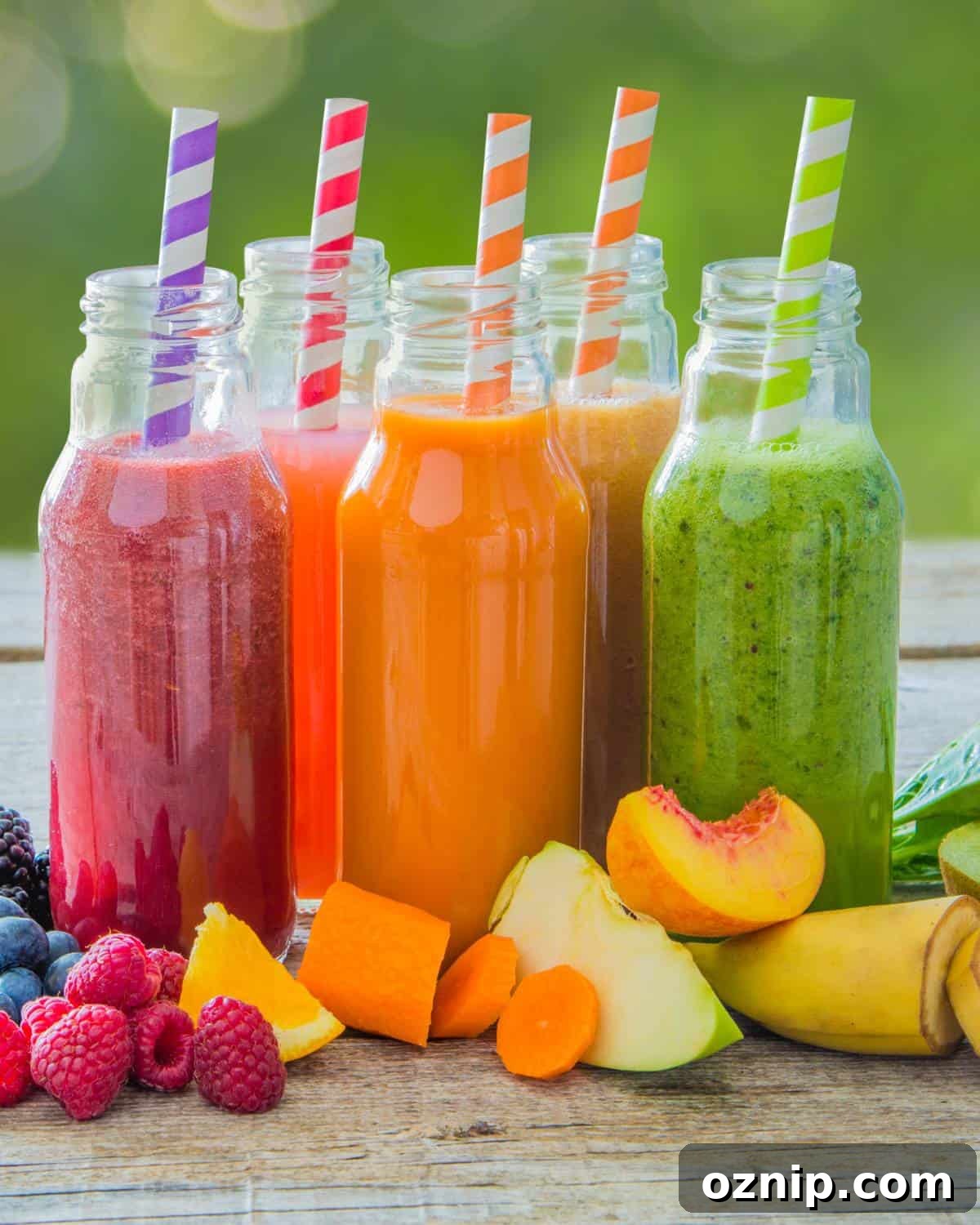
How To Make A Smoothie
Smoothies are a fast, nutritious option for breakfast or a snack and take less than five minutes to make.
Add the ingredients: Put ingredients into a high-powered blender, adding liquids first to help everything blend smoothly.
Blend: Blend until smooth and even. Stop to scrape down the sides if needed or use a tamper with a compatible blender.
Enjoy: Pour into a glass and add toppings if you like—granola, seeds, or a few fresh berries are great choices.
Frequently Asked Questions About How to Make a Smoothie
A balanced smoothie contains carbohydrates (fruit or vegetables), protein (yogurt, milk, or protein powder), healthy fats (nut butter, seeds), and a liquid base. Adjust portions to match your hunger and nutritional goals.
Ice is optional. Frozen fruit usually provides chill and thickness without watering down the flavor. If you only have fresh fruit, a few ice cubes will cool and thicken the drink.
Most fruits work well. Bananas add creaminess and natural sweetness; mango, berries, peaches, apples, and pears are all excellent choices depending on the flavor you want.
Milk or plant milks give creaminess and flavor; water can be used in a pinch but will produce a thinner, less flavorful result. Choose a liquid that complements your other ingredients.
25 Simple and Nutritious Smoothie Recipes
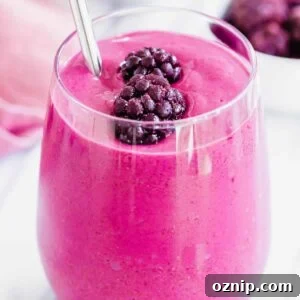
Easy Blackberry Smoothie
View Recipe

3-Ingredient Mango Pineapple Smoothie
View Recipe

5-Ingredient Pumpkin Banana Smoothie
View Recipe
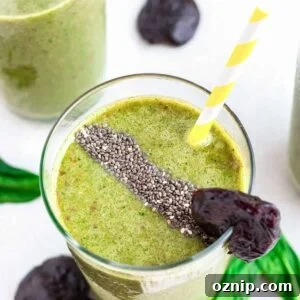
Prune Smoothie
View Recipe
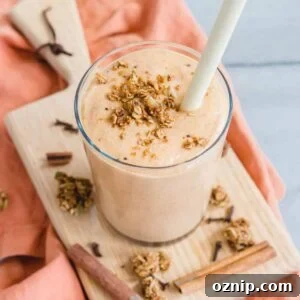
Butternut Squash Smoothie
View Recipe
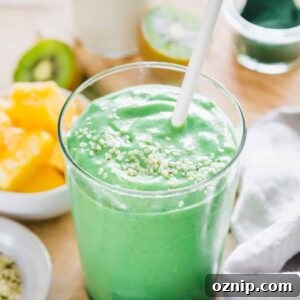
Easy Tropical Spirulina Smoothie
View Recipe
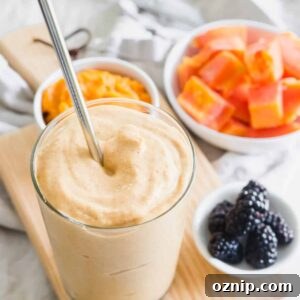
Gut Healing Smoothie
View Recipe

Key Lime Smoothie
View Recipe
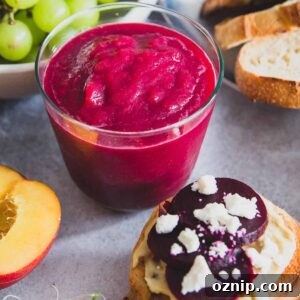
Beet Smoothie
View Recipe

Layered Strawberry Ginger Peach Smoothie
View Recipe