A few weeks ago I brought strawberry‑rhubarb scones to the office and they disappeared almost instantly. One colleague, clearly impressed, admitted he had always thought scones were heavy and dense — he didn’t realize they could be so light and flaky. He was referring to texture rather than calories, of course. At first I was surprised by his reaction, but then I remembered how common those leaden, overly sweet coffeehouse scones are. Many commercial scones are dense, cloyingly sweet, and sometimes topped with an unnecessary icing drizzle. Those versions give real, traditional scones a bad reputation.
Good scones are nothing like those hard, dry “hockey pucks.” The scones that won over my colleague were adapted from a recipe that uses grated frozen butter to create layers, producing a texture almost like a laminated dough. That method yields delightfully flaky scones and has become one of my favorites.
My favorite scones, though, are from Rose Levy Beranbaum’s book The Bread Bible: the “Rich and Creamy Ginger Scones.” Their secret is the whipped cream in the dough, which creates a scone that is both rich and airy. I had hesitated to change that particular recipe because the ginger flavor felt essential to its character.


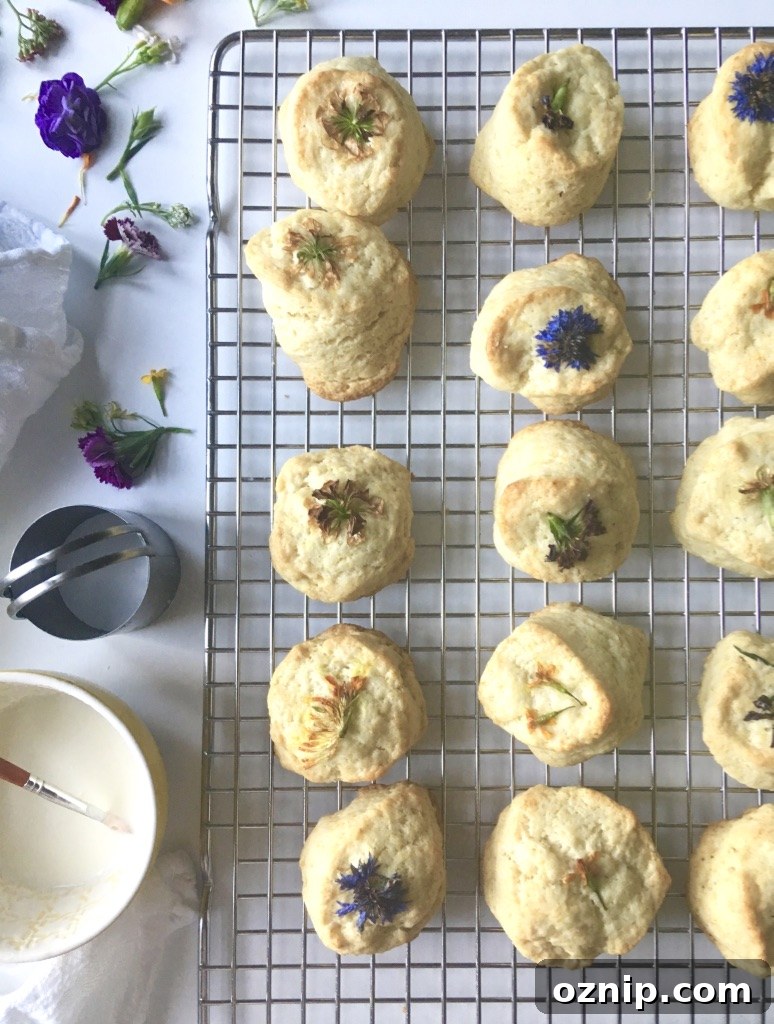
Then I picked up a selection of edible flowers at a local farmers’ market and began experimenting with ways to use them. I thought of The Bread Bible’s cream‑based scones but worried ginger might overpower delicate blossoms. So I adapted the recipe and swapped the ginger for a touch of lemon zest. The result was a batch of lemon cream scones lightly decorated with petals — they looked beautiful and tasted even better.

Lemon Cream Scones with Edible Flowers
Adapted from The Bread Bible, by Rose Levy Beranbaum.
Ingredients
-
12
tbsp / 170 g
unsalted butter,
cold -
3/4
cup / 174 g
heavy cream -
2
cups / 284 g
unbleached, all-purpose flour -
1/3
cup / 66 g
granulated sugar -
1
tbsp / 15 g
baking powder -
1/8
tsp
salt -
1
tsp
grated lemon zest
To finish:
-
2
tsp
heavy cream - edible flowers or petals
Instructions
-
Cut the butter into 3/4‑inch cubes and chill for at least 30 minutes. Whip the cream until soft peaks form, cover, and refrigerate while you prepare the dry ingredients.
-
Place a baking stone or a large baking sheet on a middle rack and preheat the oven to 400°F. Line a smaller baking sheet with parchment paper for the scones.
-
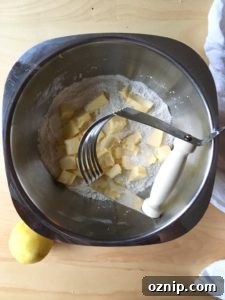
In a large bowl, whisk together the flour, sugar, baking powder, salt, and lemon zest. Add the chilled butter cubes and work them into the flour with a pastry blender or your fingers until the mixture resembles fine crumbs.
-
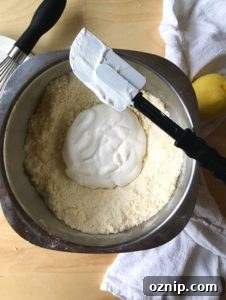
Make a well in the center of the dry mixture and add the whipped cream. Fold the cream in gently with a rubber spatula or wooden spoon, then knead the dough lightly in the bowl until it just holds together.
-
Turn the dough onto a very lightly floured surface and knead about eight times, just until it forms a smooth ball.
-
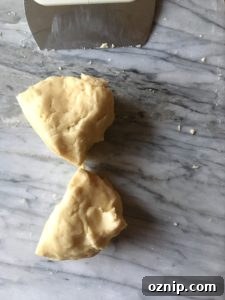
Cut the dough in half and press each half into a rectangle about 5 x 7 inches. Wrap the rectangles in plastic wrap and freeze for 20 minutes to firm the dough for easier cutting.
-
Use a 2‑inch biscuit cutter to cut six rounds from each rectangle. Re‑roll scraps as needed and return them to the freezer. Arrange the cut scones on the parchment‑lined sheet and press an edible flower or a few petals into the top of each one. If your sheet is full, refrigerate the remaining scones and bake them after the first batch.
-
Place the baking sheet with the arranged scones in the freezer for five minutes to firm up. Remove and brush the tops lightly with the remaining 2 teaspoons of heavy cream, taking care not to disturb the flowers.
-
Bake for 15–20 minutes, until the scones begin to brown lightly on top. Transfer to a wire rack to cool.
Recipe Notes
- Choose mild or sweet edible flowers or petals for the best results. If you’re unsure which blossoms are safe to eat, check their edibility first. Some mixes include flowers whose entire blooms are not edible; in those cases use only the petals.
- For the most attractive scones, press the dough into rectangles that are evenly thick and cut straight down with the cutter without twisting to preserve the edges.
- The lemon is intentionally subtle here. You can increase the zest or try other flavor variations such as orange zest or a touch of almond extract if you prefer a stronger flavor.