
If you’re wondering “Why isn’t our baby sleeping through the night?” you’re in the right place. I’ve had some great sleepers and some who weren’t so great. By baby number four I discovered a few key factors that make the biggest difference, and I’m sharing my favorite practical tips here. This post also mentions a smart feeding sleeve I used that helped me monitor feedings more confidently.

Below are tips that helped our babies sleep longer stretches—six hours or more—which was life-changing for our family. I’ll focus on simple, effective habits you can try tonight.

From my experience with four children, everyone woke frequently at first. One of our sons slept nine hours from day one, but the others woke every few hours. By around four to six months I wanted a consistent longer stretch at night—midnight to 6 a.m. was my ideal window. Getting your baby to sleep longer often means combining better feeding habits with soothing routines and small comfort measures.

Here are practical strategies that helped us and that many parents find useful:
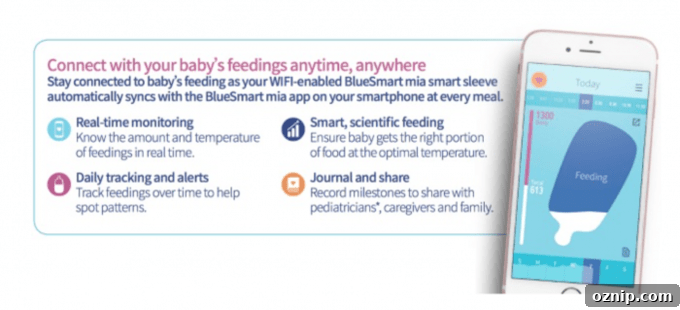
1. Feed your baby well before bed and know how much they’re consuming. Tracking intake helps reduce nighttime wakings for hunger. I used a feeding sleeve that measures intake and tracks feeding duration, which eased my worries and helped fine-tune evening feedings.
2. Keep their feet warm. It may sound trivial, but research and many parents’ experience suggest warm feet help babies settle. A pair of soft socks at night can make a noticeable difference.
3. Use soft, instrumental music or white noise. Our oldest slept best with a gentle, wordless lullaby playing. Later we switched to a sound machine, but the consistent, calming background sound helped establish sleep cues.
4. Dream feed. Gently feeding your baby while they’re still asleep—bringing the bottle or breast to their lips and letting them feed until content, then burping and laying them back down—can buy a few extra hours of uninterrupted sleep. If you use a bottle, pay attention to angle and avoid air bubbles to prevent gas. Timing and feeding duration matter, so tracking how long the feed takes can be helpful.
5. Consider a small, age-appropriate bedtime snack once your baby is old enough. Many pediatricians recommend introducing a soothing snack such as rice cereal or a small portion of solid food around four to six months, depending on readiness. For older infants who eat solids, a small portion of banana or another easily digestible food before bed may help them sleep longer.
6. Swaddle reliably for younger babies. A snug swaddle can recreate the comforting pressure of the womb and reduce startle reflexes. We used a well-fitted swaddle blanket and found it calmed our babies and improved sleep—especially during those early months.
7. Establish a predictable bedtime routine. Consistency is crucial. A short sequence like snack (if age-appropriate), bath, a quiet song and then bed signals that nighttime is for sleeping. Keep the routine calm and consistent to build sleep associations that persist as your baby grows.
8. Experiment with formula timing if applicable. Some parents notice that formula digests a little more slowly than breastmilk for their baby, which can lengthen sleep stretches in the evening. Every baby is different, so observe how your child responds and discuss changes with your pediatrician if you have concerns.
What worked best for your family? How long does your baby currently sleep, and what are you hoping to change? If you’d like, I can help you brainstorm a tailored bedtime plan based on your child’s age and feeding pattern.
Remember: every baby is unique. A combination of consistent feeding, gentle comfort, warmth, and a calming routine usually yields the best results. Small adjustments can add up to big improvements in night sleep—for both baby and the whole family.